 English
 Romanian
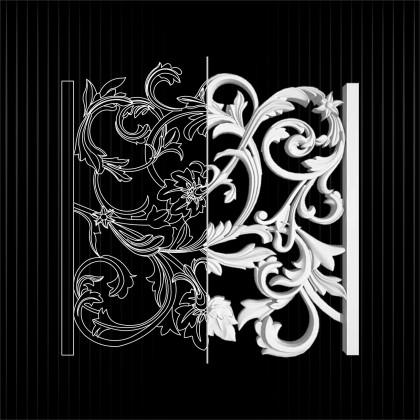




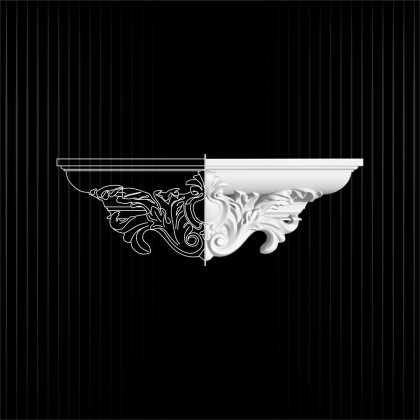
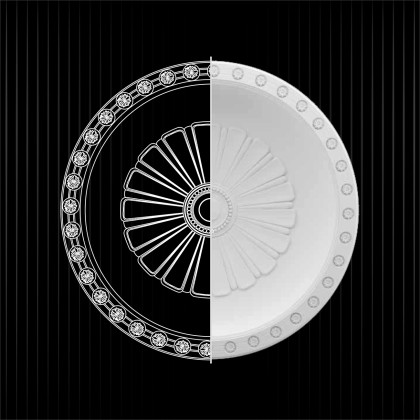
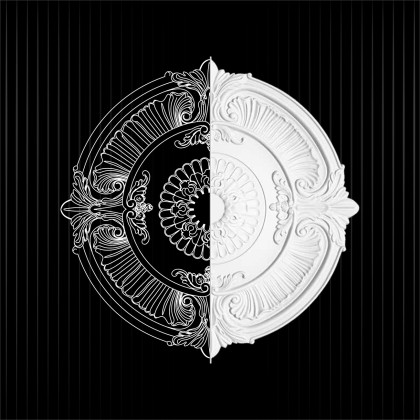
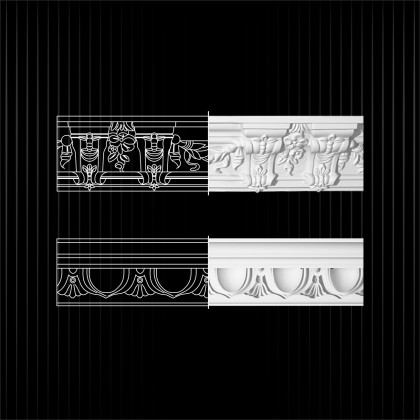
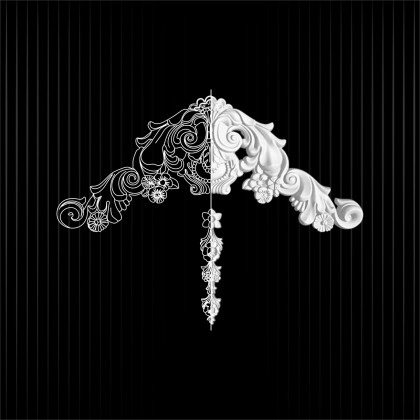
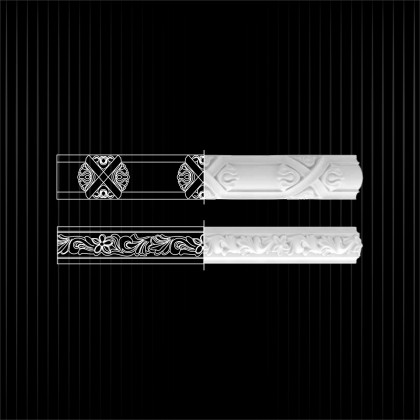



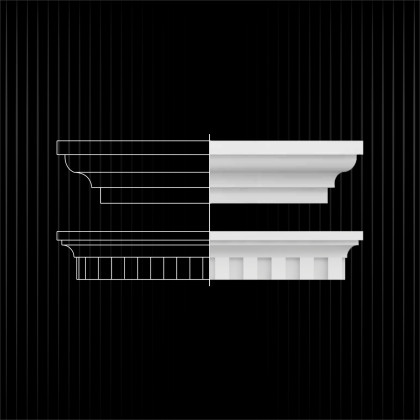
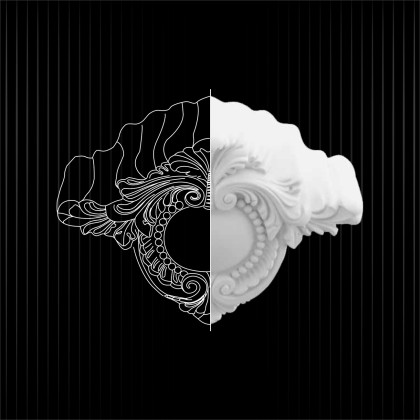
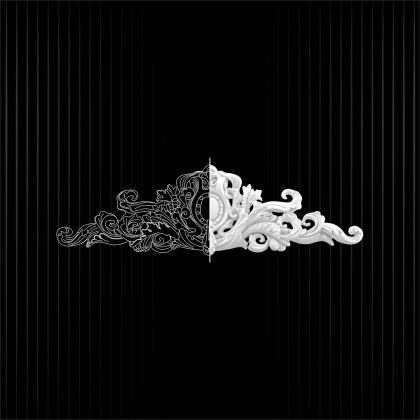

An Aesthetic Touch to Your Space with Decorative Decoupage Panels
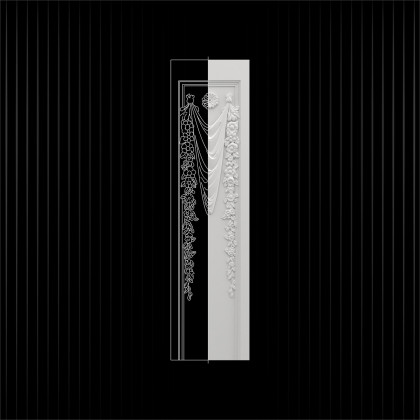
Decorative decoupage panels emphasize elegance and originality while adding an artistic atmosphere to spaces. Designed with special cutting techniques and patterns, these panels bring a modern aesthetic to your walls. They are an ideal option to add elegance and a personal touch to the decoration in your home or workplace.

Neo-Classical Inspiration in Corridor Decoration, Modernized Areas with Polyurethane Slats and Skirtings
Corridor decoration is the unifying force in the interior design of the house, and it is possible to achieve the perfect harmony of neo-classical influences and modern lines with polyurethane lath, border, plasterboard and skirting models. The corridor in the picture offers an impressive example of this balance, reviving classical architectural details from a contemporary perspective. Panels in elegant green tones and white ceiling. The sharp contrast between the floor and the floor adds a sophisticated atmosphere to this area. The use of polyurethane materials highlights the practical aspects of the decoration, while at the same time offering an elegant and lasting aesthetic. The plasterboard decorating the ceiling combines traditional decorative art with the advantages of modern materials. The laths and skirting boards framing the walls create a visual depth by emphasizing the dimensions of the corridor and strengthens the overall aesthetics of the space. The use of polyurethane details in corridor decoration not only adds beauty, but also protects your living spaces for a long time with features such as durability and ease of maintenance. The corridor shown in this picture adds elegance and functionality to your daily life by making the modern interpretation of neo-classical design accessible to every home.

Contemporary Elegance in Corridor Decoration Aesthetic Harmony with Polyurethane Slats and Plasterboards
Corridor decoration is the area where the first impressions that reflect the general design and style of the house are formed. Within the modern decoration approach, polyurethane lath, border, plasterboard and skirting models have become the key elements of transforming corridors by combining aesthetics and functionality. The corridor in the picture perfectly demonstrates how these modern decorative elements can be used effectively. The purity of white. It brings together the depth of gray and classic gray tones, giving the corridor a stylish and contemporary look. Polyurethane materials are ideal especially in high traffic areas such as corridors, thanks to their properties such as durability, flexibility and easy applicability. The laths used on the walls and ceilings add depth to the corridor, while the plasterboards and baseboards provide an elegant finish. Recessed lighting This modern corridor decoration illuminates and adds a sophisticated ambience to the space. This corridor design adds value to your home as a work of art beyond being just a functional transition point. The corridor decoration, enriched with polyurethane slats and plasterboards, can be customized to reflect the aesthetic understanding of each homeowner and creates integrity throughout the house. Brings contemporary elegance to every corner
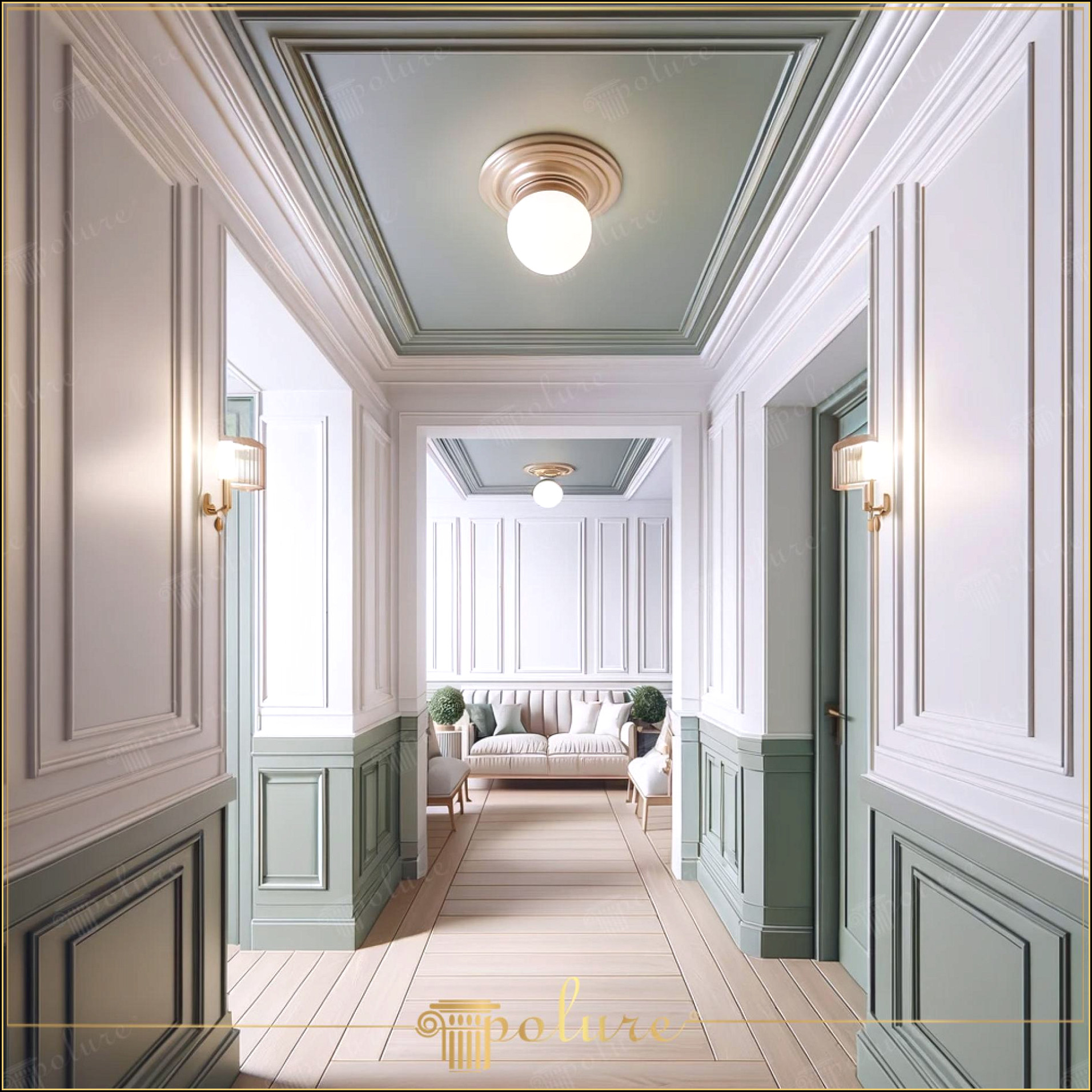
Aesthetic Revolution with Innovative Elegance Polyurethane Details in Corridor Decoration
Corridor decoration reflects not only the transition area of a house, but also a stage where style and elegance are displayed. With the use of polyurethane lath border plasterboard and skirting models, modern corridors offer both aesthetically striking, long-lasting and practical solutions. How does the corridor in the picture reflect the elegance and modernity of these decorative elements? Rich green tones balanced with a light color palette make the space look wide and bright, while polyurethane details give the space a sophisticated atmosphere. The plasterboard between the ceiling and the wall creates a point of visual interest by emphasizing the height of the space. The slats and baseboards used on the walls make the corridor look modern and aesthetic. It completes its appearance and offers an eye-catching experience at every step. The use of polyurethane materials in corridor decoration not only offers aesthetic satisfaction, but also provides practical advantages such as durability and easy cleaning. A corridor like the one in this picture reveals how stylish and functional modern home decoration can be. inspires the homeowner

Creative Living Room Designs for Your Interiors Combining Comfort and Aesthetics
Living room interior design creates a warm atmosphere by combining comfort and elegance. Carefully selected furniture color palette and lighting make your living room inviting. Functionality and aesthetic details allow you to experience pleasant moments in this space. With the touch of interior design, your living room becomes a special space that reflects your lifestyle and personal tastes. income

Rock Panel LED hidden light lighting Rock Look Polyurethane Panel
Rock Panel Led Hidden Light Lighting Aesthetics in Decoration with Rock Look Polyurethane Panels Lighting, which is one of the indispensable elements of decoration, plays an important role in increasing the ambiance and aesthetic value of spaces LED hidden light lighting combined with rock look polyurethane panels brings together both the elegance of natural stone appearance and modern lighting techniques This innovative decoration solution offers a visual feast by taking your spaces out of the ordinary Aesthetics of Rock Look Polyurethane Panels Rock look polyurethane panels, which realistically reflect the texture and color tones of natural stone, can be used in all kinds of interior and exterior spaces These panels offer a wide range of use both in home decoration and commercial areas with their light and durable structures. When combined with the LED hidden light system, it creates a modern and sophisticated atmosphere in decoration Advantages of LED Hidden Light Lighting Modern and Stylish Appearance LED hidden lights create a luxurious atmosphere in the space by emphasizing the texture and details of the panels Energy Saving LED technology provides long-lasting lighting with low energy consumption Flexible Usage The ambiance of the space can be easily changed with the color and brightness settings of the LED lights Shadow and Depth Effect LED lighting rock panels It creates a sense of depth in the space by making its texture more apparent Decoration Ideas with Rock Panel and LED Hidden Light Combination Behind the TV Unit LED hidden lights integrated behind the rock-looking panels add a modern touch to your TV unit Fireplace Surroundings The panels and LED lighting used around the fireplace create a warm and inviting atmosphere Ceiling Decoration Rock panels supported with hidden lights at the junction points of the wall and ceiling give the space a sense of width and spaciousness Focal Points Panels supported with LED lights to emphasize certain areas of the space create an aesthetic focal point Advantages of Polyurethane Material Light and Portable The lightness of the panels provides ease of transportation and assembly Durable Polyurethane material is resistant to impacts, moisture and temperature changes Easy Assembly It can be easily applied without requiring professional equipment Paintable Panels can be adapted to your decoration concept by being painted in the desired color Usage Areas Home Decoration It can be used in both wall and ceiling applications in living rooms, living rooms, bedrooms and corridors Commercial Spaces It creates a modern and aesthetic atmosphere in restaurants, cafes, hotels and offices Exterior Facade Applications It offers a decorative and durable coating solution in outdoor spaces Why LED Hidden Light with Rock-Looking Polyurethane Panel Aesthetic and Practicality It offers a stylish and functional solution by combining the natural stone appearance with modern lighting Long-lasting Both panels and LED systems can be used for many years Environmentally Friendly Energy-saving LEDs and polyurethane panels provide an environmentally friendly decoration Economical It is more cost-effective than natural stone and other lighting systems Result Rock-looking polyurethane panels and LED hidden light lighting combine aesthetic durability and modernity in decoration If you want to create a warm, sophisticated and striking atmosphere in your spaces, this combination is just for you You can take your living spaces to the next level with these panels that offer a natural stone appearance and the fascinating effect of light.

Decorating the living room behind the TV with Polyurethane Wall Panel
Decorating Ideas Behind the TV with Polyurethane Wall Panels in Living Rooms Living rooms are one of the parts of our homes where we spend most of our time and host guests. Therefore, it is important to provide a balance between aesthetics and functionality in living room decoration. Especially, the stylish and eye-catching decoration of areas where large and eye-catching items such as televisions are located affects the general atmosphere of the room. Polyurethane wall panels are an ideal option for wall decoration behind the TV by offering both modern and elegant solutions in living room decoration at this point. What are Polyurethane Wall Panels? Polyurethane wall panels are decorative wall covering elements with various patterns and textures produced from polyurethane material known for its light and durable structure. These panels are lighter and easier to install than traditional wood, stone or plaster decoration elements. At the same time, polyurethane panels are long-lasting and easy to maintain since they have high heat and moisture resistance. Advantages of Polyurethane Panels Behind the TV Aesthetic Appearance Wall panels behind the TV give the living room a modern and stylish look. It can turn flat and plain surfaces on the wall into a striking work of art. 3D Texture Embossed 3D patterns on polyurethane panels create depth and dimension on the wall. It changes the perception of width of the room by creating a feeling Easy Application With its light structure, these panels are quite easy to apply It can be mounted in the required area in a short time and does not require any paint or special workmanship Personalizable Designs Polyurethane panels are offered with various pattern and color options This makes it easy to make a choice that suits the general decoration style of the living room How to Use Polyurethane Panels in Decoration Behind the TV Minimalist Approach If you prefer a simple and stylish look, polyurethane panels in white tones and with simple patterns can be an ideal choice Covering the wall with a plain white panel, as in the example in the picture, highlights the TV while at the same time giving the room a spacious appearance Artistic Touches If you want to create a more artistic atmosphere in your room, you can prefer polyurethane panels with embossed and complex patterns Thus, the wall behind the TV can give the air of an art gallery Accent with Lighting You can make the patterns on the wall stand out more by placing spotlights on the polyurethane panels behind the TV This type of lighting creates a warm and pleasant atmosphere in the room, especially in the evening hours Compatibility with the TV Unit Making the polyurethane wall panels compatible with the TV unit in the room will ensure the integrity of the decoration For example, a TV unit with white and metallic details as in the picture can achieve perfect harmony with polyurethane panels in white tones. Maintenance of Polyurethane Panels One of the biggest advantages of polyurethane panels is that they are easy to maintain. Dust and dirt can be easily wiped with a damp cloth, ensuring that these panels look like the first day for many years. In addition, since they are resistant to scratches or impacts, they are an ideal choice in frequently used areas such as living rooms. Conclusion: Polyurethane wall panels are a very attractive option for those who want to make a stylish and aesthetic touch behind the TV in living room decoration. These panels, which can adapt to modern and classic decoration styles with both ease of application and the visual richness they offer, will add innovation to your living rooms. You can take your decoration to the next level by bringing the most popular area of your home together with the elegance of polyurethane panels.

Modern Decoration with Sophistication Polyurethane Slats and Skirtings that Transform Your Hallway
Corridor decoration greatly affects the general aesthetics of a house, and the choices made in these areas are elements that clarify the character of the house. Combining the simplicity of modern decoration with the elegance of classical details, polyurethane lath, border, plasterboard and skirting models transform corridors into aesthetic works of art. The corridor in the picture is a perfect example of how it can be transformed with the use of these elements. Polyurethane slats surrounding the walls of your corridor allow the area to be visualized within a sophisticated framework, while borders and skirtings add depth and character to the space. Plasterboards decorating the ceiling emphasize the ceiling height of your corridor by increasing visual richness. All of these elements reveal a timeless corridor decoration that blends modern and classic elements. Polyurethane materials In addition to being frequently preferred in corridor decoration, they also stand out with their advantages such as durability and easy maintenance. An elegant and balanced corridor design like the one in this picture not only makes an aesthetic contribution to your home, but also offers a durable and long-term solution.

An Aesthetic Touch to Your Space with Decorative Decoupage Panels
Decorative decoupage panels emphasize elegance and originality while adding an artistic atmosphere to spaces. Designed with special cutting techniques and patterns, these panels bring a modern aesthetic to your walls. They are an ideal option to add elegance and a personal touch to the decoration in your home or workplace.

Corridor Decoration Equipped with Elegant and Contemporary Polyurethane Details
Corridor decoration plays a decisive role in the general aesthetics of a house. The modern design approach gives a sophisticated look to the corridors with the use of polyurethane lath, border, plasterboard and skirting models. The corridor in the picture is an elegant example of this modern decoration trend. Walls in pastel tones and carefully placed lighting elements make the space look both modern and stylish. It provides an inviting atmosphere. Polyurethane materials are among the reasons why this decoration style is preferred. Because these materials, which offer aesthetics and functionality together, provide advantages such as longevity and easy maintenance. While the laths and borders surrounding the walls of the corridor add depth and character to the space, plasterboards and baseboards add modern lines of the space. It emphasizes and provides an elegant finish. This corridor design draws attention not only as a transition area, but also as an area that increases the aesthetic value of the house. The polyurethane details used in corridor decoration offer an option suitable for the style of every home, opening the doors to a contemporary and elegant appearance.

Transform Your Spaces with Polyurethane Decorative Wall Panels: Uniting Aesthetics and Creativity in Interior Design Ideas and Models
Transform Your Spaces with Polyurethane Decorative Wall Panels: Uniting Aesthetics and Creativity in Interior Design Ideas and Models In the realm of interior design, the quest for unique and expressive elements that bring spaces to life is ever-present. Polyurethane decorative wall panels emerge as a formidable solution, marrying aesthetics and creativity in a way that transforms ordinary rooms into extraordinary experiences. This article delves into how these versatile panels can elevate interior design projects. The Aesthetic Appeal of Polyurethane Decorative Wall Panels Polyurethane decorative wall panels are renowned for their ability to mimic various textures and materials, from rustic stone and brick to elegant wood and intricate carvings. This chameleon-like quality ensures that they can fit into any design theme, be it modern, traditional, or avant-garde. Their lightweight nature, coupled with their aesthetic versatility, makes them an ideal choice for designers looking to infuse spaces with character and depth. Creativity Unleashed The design possibilities with polyurethane wall panels are virtually limitless. They offer a canvas for creativity, allowing interior designers and homeowners alike to experiment with patterns, colors, and textures. Whether creating a statement wall, a cozy nook, or an artful backdrop, these panels can be customized to realize a vision that is as unique as the individuals inhabiting the space. Practical Benefits Beyond Beauty Aside from their striking visual impact, polyurethane decorative wall panels come with a host of practical benefits. They are durable, resistant to moisture and mold, making them suitable for both residential and commercial settings. Their ease of installation and maintenance is a boon for projects with tight timelines or budgets. Moreover, their insulating properties can contribute to energy efficiency, making them a smart choice for eco-conscious designs. Transforming Spaces with Innovative Ideas and Models Incorporating polyurethane decorative wall panels into interior design projects opens up a world of innovative ideas and models. Designers can play with light and shadow, create textured contrasts, or use the panels to delineate spaces within an open-plan area. The flexibility of these panels allows for bespoke installations, ensuring that each project stands out with its unique flair. Conclusion Polyurethane decorative wall panels stand at the intersection of aesthetics and creativity, offering a dynamic tool for transforming spaces. Their blend of visual appeal, versatility, and practicality makes them an indispensable element in modern interior design. By embracing these innovative panels, designers and homeowners can realize their vision of creating environments that are not only beautiful but also uniquely expressive and functional.

Discover Your Living Spaces Full of Aesthetic Wonders
Interior design is the combination of art and function that creates an aesthetic balance when personalizing your home or workplace. Color palettes, furniture arrangements and decorative details characterize each room and enrich the user experience. Interior design not only offers visual beauty, but also usability, comfort and a comprehensive approach to creating atmosphere. Customizing your interiors with creative designs and details is the key to creating an environment that you and your guests will enjoy.

Modern Elegance in Hallway Decoration The Harmonious Dance of Polyurethane Slats and Skirtings
Corridor decoration is an important area that reflects first-hand the aesthetic understanding and hospitality of a house. With the use of polyurethane lath border plasterboard and skirting models, modern corridors gain both aesthetic and practical innovation. The corridor in the picture exemplifies how an elegant decoration can be created with the modern lines brought by polyurethane. Gray with the purity of white In this corridor, where the nobility of tones come together, polyurethane slats create a sophisticated frame on the walls, while skirting boards provide a fluid transition between the floor and the walls. Recessed LED lights illuminate the space with the soft light coming from under the plasterboard and reinforce the modern aesthetics of the corridor. This corridor is a corridor that elegantly celebrates the simple but important moments of daily life. Hallway decoration enriched with polyurethane slats and baseboards perfectly combines the elegance and functionality needed by modern homes.

Elegant Reflection of Modern Architecture, Corridor Decoration Equipped with Polyurethane Accessories
Corridor decoration is an important element that reflects the architectural identity of a house and creates the first impression. Today, polyurethane lath, border, plasterboard and skirting models are among the preferred modern solutions to make corridors both functional and aesthetic. The corridor in the picture is a perfect example of how these modern accessories can increase the general aesthetics of the space. The simple color palette and sophisticated lighting give the corridor an elegant and contemporary atmosphere. The polyurethane slats and borders decorating the walls increase the depth of the space and add an eye-catching detail. The plasterboard and baseboards that beautify the transition between the ceiling and the floor provide the corridor with a stylish and integrated appearance. This corridor creates a transition area that skillfully combines the aesthetic and practical aspects of modern corridor decoration. Thanks to the use of polyurethane accessories, homeowners can also benefit from the advantages of long-term durability and easy maintenance. If you want to redesign the corridor of your home in a modern and elegant style, polyurethane lath and skirting models can be an excellent starting point

Modern Lines in Corridor Decoration, Elegant Combination of Polyurethane Slats and Skirtings
Corridor decoration is the first area that determines the general aesthetics of a house and welcomes guests. In modern corridor designs, polyurethane lath, border, plasterboard and skirting models transform these areas by offering both aesthetic and practical solutions. The corridor in the picture combines the elegant and sophisticated elements of modern decoration with a dark color palette and bright details. Polyurethane materials It is ideal in terms of both durability and aesthetics. The laths and borders used on the walls increase the feeling of depth of the space, while the plasterboards provide a continuous visual flow between the ceiling and the walls. Skirtings elegantly bring the floor and walls together and add a perfect finish to the modern corridor decoration. This corridor is functional with its simple but impressive design. It brings together aesthetics and aesthetics to create a space that reflects the style of every home. The corridor decoration, equipped with modern and minimalist details, offers a timeless appeal thanks to polyurethane laths and skirting boards.

Elegance and Aesthetic Touches with Elegant Slats on Corridor Walls
In corridor wall interior design, wall moldings transform a plain space by adding elegance and character to the space. Add an aesthetic touch to your corridors with rich design options and easy applicability. Wall moldings are the perfect way to add elegance to your minimalist or classic style interior design.

Elevate Your Space with Polyurethane Decorative Wall Panels: Chic Descriptions for Modern Bedroom Decoration Models, Design and Ideas
Elevate Your Space with Polyurethane Decorative Wall Panels Transforming your bedroom into a modern sanctuary is now effortlessly achievable with the innovative use of polyurethane decorative wall panels. These versatile panels offer an array of chic designs, textures, and colors to fit any aesthetic, providing an instant upgrade to any space. Not only do they add an element of sophistication, but their lightweight and durable nature makes them an ideal choice for a modern bedroom decoration. One of the key benefits of polyurethane panels is their ability to mimic the appearance of more traditional materials like wood, stone, or brick, while offering greater durability and ease of maintenance. This allows for creative freedom in designing a bedroom that can range from sleek and modern to warm and rustic, without the constraints of using natural materials. Installation of these panels is surprisingly straightforward, making them a favorite among DIY enthusiasts and professional designers alike. Their interlocking design ensures a seamless fit, while the flexibility of the material allows it to be cut to size, fitting any wall dimensions perfectly. When it comes to modern bedroom decoration ideas, the sky is the limit with polyurethane decorative wall panels. Consider a minimalist approach with sleek, white panels that create a serene and peaceful ambiance. Or, for a more dramatic effect, opt for panels with bold textures and deep colors that add depth and character to the room. Adding indirect lighting can further enhance the texture of the panels, creating an inviting and cozy atmosphere. Furthermore, polyurethane panels are not only aesthetically pleasing but also functionally beneficial. They provide excellent insulation, helping to keep the room warm in the winter and cool in the summer, and can also offer sound dampening qualities, making your bedroom a quiet retreat. In conclusion, polyurethane decorative wall panels present a modern and innovative solution for bedroom decoration. They offer the perfect blend of style, durability, and functionality, making them an excellent choice for anyone looking to elevate their space. Whether you're aiming for a subtle upgrade or a dramatic transformation, these panels provide the versatility and ease of use to achieve your desired outcome.

Aesthetic Elegance The Magic of Decorative Interior Design
Decorative interior design brings together your living spaces with a unique aesthetic. Carefully selected color palettes, stylish furniture and elegant decorative details personalize each room. This design approach not only beautifies your home, but also enables you to establish an emotional bond. With decorative interior design, your home turns into a work of art that reflects your style.

The Sophisticated Touch of Modern Elegans Polyurethane in Hallway Decoration
Corridor decoration is a reflection of the general design language of the house, and it is possible to revitalize these areas with polyurethane lath, border, plasterboard and skirting models in modern homes. The corridor in the picture offers a perfect example of how the contrasting colors of black and white, as well as the play of light and shadow, can make the space spacious and inviting. Polyurethane materials This modern corridor decoration element stands out both aesthetically and with its durability and easy maintenance features. The plasterboard on the ceiling and the slats decorating the walls add character to the corridor by emphasizing the height and architectural details of the space. The skirting boards where the floor meets the walls provide an elegant transition to the floor and complete the modern appearance of the corridor. The corridor decoration creates a feeling of peace and tranquility throughout the house with minimalist but effective accessories and furniture pieces, as in this picture. Equipped with polyurethane slats and skirting boards, this space offers a successful synthesis of both contemporary and classical design elements, bringing aesthetic integrity to every corner of your home.

Where Classic and Modern Meet, Corridor Decoration Enriched with Polyurethane Details
Corridor decoration is an important area that is often overlooked in homes but actually complements and enriches the general aesthetics of the house. In the modern decoration style, polyurethane lath, border, plasterboard and skirting models are the key elements of transforming these areas functionally and aesthetically. How does the corridor in the picture harmonize with classical architectural elements and modern design aesthetics? Polyurethane materials offer a rich appearance in corridor design and provide practical advantages such as longevity and easy maintenance. While the slats and borders on the walls add depth and dimension to the space, the plasterboards create an aesthetic transition between the ceiling and the wall. The skirting boards surrounding the floor create this It maintains aesthetic integrity and provides an elegant connection between the floor and the walls. This corridor is further enriched with simple and stylish furniture choices, thus proving that modern corridor decoration can be warm and inviting. Lighting options illuminate the space and at the same time play with the shadows, making the dimensions of the corridor more evident. Equipped with polyurethane slats and baseboards, this corridor It brings together aesthetics and functionality in every corner of your home as a successful synthesis of classical and modern elements.

Polyurethane wall decoration ideas involve using lightweight, durable materials to enhance the appearance of walls. These can include moldings, panels, and decorative elements that mimic the look of more expensive materials like wood or stone, offering an affordable way to add elegance and style to any room.
Polyurethane Wall Decoration Ideas
Decorating your walls can significantly enhance the ambiance of your space. One innovative material that has gained popularity for its versatility, durability, and aesthetic appeal is polyurethane. This lightweight material can be molded into various designs, making it ideal for wall decor. Here are some polyurethane wall decoration ideas to inspire your next home makeover.
3D Wall Panels
Transform your plain walls into a statement piece with 3D wall panels made of polyurethane. These panels come in various patterns and designs, from geometric shapes to intricate floral motifs. They add texture and depth to your walls, creating a visually appealing space.
Crown Moldings
Polyurethane crown moldings can add elegance and character to any room. They are easy to install and can be painted to match your decor. Whether you opt for simple designs or more elaborate ones, crown moldings provide a classic finishing touch to your walls.
Wall Niches
Create a focal point in your room with a polyurethane wall niche. These decorative recesses are perfect for displaying art, photographs, or decorative items. Wall niches not only enhance the aesthetic appeal of your space but also add functional storage.
Decorative Brackets and Corbels
Add architectural interest to your walls with decorative brackets and corbels made of polyurethane. These elements can support shelves, making them both a practical and decorative addition to your space. Choose from a variety of styles to complement your home's decor.
Wall Frames and Accents
Frame your walls with polyurethane wall frames and accents. These decorative elements can outline doorways, windows, or even sections of your wall, creating a sophisticated and cohesive look. They are an easy way to add charm and character to your interiors.
Polyurethane wall decorations offer a unique way to personalize and enhance your living space. With their durability and ease of installation, they provide a practical yet stylish solution for wall decor. Consider incorporating these ideas into your home to create a space that reflects your personal style and taste.
Wall decoration ideas and wall decor have played a significant role throughout history. They have been used to beautify living spaces, convey social status, express cultural and personal identity, and communicate beliefs and values. From ancient cave paintings to modern art installations, wall decor reflects the evolution of human societies and their artistic expressions.
The Historical Significance of Wall Decorations
Wall decorations have been a fundamental aspect of human expression and interior design for thousands of years. From the ancient cave paintings of Lascaux to the intricate frescoes of the Renaissance, wall decor has served not only as an aesthetic enhancement but also as a means of communication and storytelling. This article explores the evolution and significance of wall decoration ideas throughout history.
Prehistoric Times
The earliest forms of wall decor can be traced back to the prehistoric cave paintings found in regions like Lascaux, France. These paintings, created over 17,000 years ago, were not merely decorative; they were expressions of early human creativity and are thought to have had ritualistic or educational purposes.
Ancient Civilizations
In ancient Egypt, wall decorations were predominantly found in tombs and temples. Hieroglyphics, paintings, and reliefs served both decorative and functional roles, aiming to honor the gods and guide the deceased to the afterlife. Similarly, the Romans and Greeks used frescoes and mosaics to depict mythological scenes, daily life, and landscapes, showcasing their artistic skills and cultural values.
The Middle Ages to the Renaissance
The Middle Ages saw the rise of religious-themed wall decor, with churches and cathedrals adorned with frescoes, tapestries, and stained glass that depicted biblical stories. The Renaissance period brought a significant shift, with a renewed focus on humanism and naturalism. Artists like Michelangelo and Leonardo da Vinci transformed walls into canvases, creating some of the most celebrated masterpieces in history.
Modern and Contemporary Times
With the advent of new technologies and materials, the 20th and 21st centuries have seen a diversification in wall decor. Wallpaper, photography, and digital art have become popular, allowing for personal expression in both public spaces and homes. Today, wall decoration ideas are as varied as ever, reflecting a wide range of cultural influences, artistic movements, and individual tastes.
Conclusion
Wall decorations have played a significant role in human history, evolving from primitive drawings to sophisticated art forms. They not only beautify spaces but also serve as a mirror reflecting societal values, historical events, and personal identities. As we continue to innovate and express ourselves, the walls around us will undoubtedly remain a canvas for our stories and imaginations.
Ideas for decorating walls with polyurethane - Characteristics of wall decor.
Polyurethane Wall Decoration Ideas and Properties
Polyurethane is a versatile material widely used in the interior design industry, particularly for wall decorations. Its unique properties make it an excellent choice for creating intricate designs and patterns on walls, adding both aesthetic appeal and functionality to any space. In this article, we will explore some creative polyurethane wall decoration ideas and discuss the properties that make polyurethane an ideal material for wall decor.
Ideas for Polyurethane Wall Decorations
- 3D Wall Panels: Polyurethane wall panels can transform any room with their three-dimensional patterns. These panels can mimic various textures like stone, brick, or wood, offering a cost-effective alternative to natural materials.
- Crown Moldings: Add elegance and character to your rooms with polyurethane crown moldings. They are lightweight, easy to install, and can be painted to match any decor.
- Decorative Brackets and Corbels: Use polyurethane brackets and corbels under shelves or as standalone decorative elements to add a touch of sophistication to your interiors.
- Wall Niches: Polyurethane wall niches provide a perfect spot for displaying art, sculptures, or decorative items, adding depth and interest to your walls.
- Door and Window Trims: Enhance the appearance of doors and windows with polyurethane trims. These trims can be designed to complement the style of any room, from classic to contemporary.
Properties of Polyurethane for Wall Decor
Polyurethane wall decorations offer several advantageous properties:
- Durability: Polyurethane is resistant to wear, tear, and environmental factors, making it a long-lasting option for wall decor.
- Lightweight: Despite its durability, polyurethane is surprisingly lightweight, which simplifies the installation process and reduces the load on structural elements.
- Flexibility: Polyurethane can be molded into a wide variety of shapes and designs, allowing for endless creative possibilities.
- Cost-effectiveness: Compared to natural materials, polyurethane is more affordable and offers a similar aesthetic appeal and functionality.
- Easy Maintenance: Wall decorations made from polyurethane are easy to clean and maintain, requiring only occasional dusting or wiping with a damp cloth.
In conclusion, polyurethane wall decorations offer a blend of aesthetic appeal, functionality, and durability. With a wide range of design possibilities and easy maintenance, polyurethane is an excellent choice for enhancing the walls of any home or commercial space.
Yes, the uses of polyurethane for wall decoration and wall decor are distinct.
Polyurethane in Wall Decoration
Introduction
Polyurethane is a versatile material widely used in various applications, including wall decoration. Its flexibility, durability, and ease of molding make it an excellent choice for creating intricate designs and patterns on walls.
Usage Areas of Polyurethane in Wall Decoration
Polyurethane can be utilized in several ways for wall decor, including:
- 3D Wall Panels: Polyurethane is often used to manufacture 3D wall panels that add texture and dimension to a room.
- Crown Moldings: It is perfect for creating detailed crown moldings that add elegance and character to any space.
- Wall Accents: Polyurethane wall accents can range from small decorative elements to large architectural features, providing a unique touch to the decor.
Advantages of Polyurethane in Wall Decor
Using polyurethane in wall decoration offers several benefits, such as:
- Durability: Polyurethane is resistant to wear, making it ideal for high-traffic areas.
- Lightweight: Despite its durability, polyurethane is lightweight, making it easy to install.
- Flexibility: It can be molded into various shapes and designs, offering endless possibilities for wall decoration.
- Cost-Effectiveness: Compared to traditional materials like wood or stone, polyurethane is more affordable while still providing a high-quality look.
Conclusion
The usage areas of polyurethane in wall decoration are vast and varied. From 3D wall panels to intricate moldings, polyurethane offers a practical and aesthetically pleasing solution for enhancing wall decor. Its durability, flexibility, and cost-effectiveness make it an attractive choice for both residential and commercial spaces.
Ideas for decorating walls with polyurethane - Models of wall decorations.
Polyurethane Wall Decoration Ideas
Transforming your living space into a visually appealing and comfortable environment is essential for a harmonious home. Polyurethane wall decorations offer a versatile, durable, and stylish way to beautify your walls. Here are some innovative polyurethane wall decor models to inspire your next home makeover.
3D Wall Panels
3D polyurethane wall panels bring texture and depth to your walls. They come in various designs, from geometric patterns to waves and more. These panels can be painted to match your interior, making them a flexible option for any room.
Crown Moldings
Add elegance and charm to your rooms with polyurethane crown moldings. They are lightweight, easy to install, and can be painted in any color. Crown moldings frame your space, giving it a refined and polished look.
Wall Niches
Wall niches made of polyurethane not only add architectural interest but also provide space for displaying art, books, or decorative items. They can be a focal point in any room, adding both functionality and beauty.
Decorative Brackets and Corbels
Use polyurethane brackets and corbels to support shelves or as standalone decorative elements. Their intricate designs can complement various interior styles, from classical to contemporary.
Custom Wall Murals
For those who want a truly unique wall, custom polyurethane murals offer endless possibilities. Whether it's a landscape, abstract art, or a personal design, these murals can bring your walls to life.
Polyurethane wall decorations are not only aesthetically pleasing but also practical. They are water-resistant, durable, and easy to maintain, making them suitable for any room, including kitchens and bathrooms. With these ideas, you can easily elevate the look of your home.
Can polyurethane wall decor be used outside?
Polyurethane Wall Decoration Ideas for Exterior Walls
When it comes to decorating the exterior walls of our homes, durability and aesthetic appeal are key considerations. Polyurethane wall decorations have emerged as a popular choice for homeowners looking to add a touch of elegance and longevity to their exterior walls. This article explores the feasibility of using polyurethane wall decor on exterior surfaces and provides some creative ideas to enhance your home's curb appeal.
Benefits of Using Polyurethane for Exterior Walls
Polyurethane is known for its durability, weather resistance, and low maintenance requirements. It can withstand extreme temperatures, UV rays, and moisture, making it an ideal material for exterior wall decorations. Unlike wood or metal, polyurethane does not rot, rust, or corrode, ensuring that your wall decor remains in pristine condition for years to come.
Ideas for Polyurethane Wall Decorations
- Decorative Panels: Polyurethane panels can mimic the look of stone, brick, or wood, adding texture and depth to your exterior walls without the weight and maintenance of natural materials.
- Window and Door Trims: Enhance the architectural details of your home by adding polyurethane trims around windows and doors. These trims come in various designs, from classic to contemporary, to match your home's style.
- Columns and Pilasters: Create a grand entrance or add sophistication to your porch with polyurethane columns and pilasters. They are lightweight, easy to install, and can support the aesthetic of traditional and modern homes alike.
- Brackets and Corbels: Add visual interest to your eaves, porches, or overhangs with decorative brackets and corbels. These elements can provide a charming touch to your exterior while also offering structural support.
Installation and Maintenance
Installing polyurethane wall decorations is relatively straightforward and can often be accomplished with standard tools and adhesives. It's important to ensure that the surface is clean and dry before installation to achieve the best adherence. Maintenance is minimal, requiring only occasional cleaning with soap and water to keep the decorations looking new.
Conclusion
Polyurethane wall decorations offer a versatile, durable, and low-maintenance option for enhancing the exterior walls of your home. Whether you're looking to add architectural details or mimic the appearance of natural materials, polyurethane provides a cost-effective and long-lasting solution. With a variety of designs available, you can easily find the perfect match to complement your home's exterior and increase its curb appeal.
Yes, polyurethane wall decorations can be painted.
Can Polyurethane Wall Decorations Be Painted?
When it comes to revamping the interior of your home, painting over existing decorations can be a quick and effective way to change the ambiance of a room. If you have polyurethane wall decorations, you might be wondering if they can be painted over. The short answer is yes, but there are a few steps you should follow to ensure the best results.
Preparation is Key
Before you begin painting your polyurethane wall decorations, proper preparation is crucial. Start by cleaning the surface of the decoration thoroughly to remove any dust, grease, or other contaminants. A mild detergent solution can be used for this purpose. After cleaning, make sure the decoration is completely dry.
Sanding
After cleaning, the next step is to lightly sand the surface of the polyurethane decoration. This will create a rougher surface that allows the paint to adhere better. Use fine-grit sandpaper and sand the surface gently to avoid damaging the decoration. Once sanded, wipe the surface down with a damp cloth to remove any dust.
Primer
Applying a primer is essential for achieving a smooth and even finish. Use a high-quality primer that is suitable for use on polyurethane surfaces. Apply the primer evenly according to the manufacturer's instructions and let it dry completely.
Painting
Once the primer is dry, you can begin painting your polyurethane wall decoration. Use a paint that is compatible with the primer and suitable for use on polyurethane. Acrylic and latex paints are good options. Apply the paint in thin, even coats, allowing each coat to dry thoroughly before applying the next. Depending on the color and type of paint, you may need several coats to achieve the desired finish.
Sealing (Optional)
For added protection and durability, you may choose to seal the painted decoration with a clear sealer. This step is optional but can help protect the paint from scratches and wear over time. Apply the sealer according to the manufacturer's instructions and allow it to dry completely.
Conclusion
Painting polyurethane wall decorations is a feasible project that can breathe new life into your home's interior. By following the steps of cleaning, sanding, priming, painting, and optionally sealing, you can transform your decorations into pieces that perfectly match your new decor. With a little effort and the right materials, your polyurethane wall decorations can look as good as new.
To apply polyurethane for wall decoration, follow these simplified steps: 1. Prepare the wall by cleaning and sanding it. 2. Apply a base coat if needed. 3. Stir the polyurethane gently to avoid bubbles. 4. Use a high-quality brush or roller to apply the polyurethane. 5. Apply thin, even coats, allowing each to dry as recommended. 6. Sand lightly between coats if the product advises. 7. Apply 2-3 coats for best results, ensuring full dry time. 8. Clean up with mineral spirits or as the product directs.
How to Apply Polyurethane for Wall Decoration Ideas
Decorating your walls can transform the ambiance of your room, and using polyurethane is a great way to add elegance and durability to your wall decor. Here’s how to apply polyurethane for wall decoration, along with some creative ideas to inspire you.
Preparation
Start by preparing your wall. Ensure it is clean, dry, and smooth. If you're applying polyurethane over paint or wallpaper, make sure the surface is free of grease and dust. Sanding the wall lightly can help the polyurethane adhere better.
Choosing Polyurethane
There are two types of polyurethane: water-based and oil-based. Water-based polyurethane dries quickly and has a minimal odor, making it ideal for indoor projects. Oil-based polyurethane is more durable and suitable for high-traffic areas, but it takes longer to dry and has a stronger odor.
Application
Apply a thin coat of polyurethane using a fine-bristle brush or a foam brush. Start from the top of the wall and work your way down, maintaining a wet edge to avoid lap marks. Allow the first coat to dry according to the manufacturer's instructions, then lightly sand the wall before applying the second coat.
Decoration Ideas
- Stenciled Patterns: Use stencils to create intricate patterns or motifs on your wall. Apply a base coat of paint, then use polyurethane to seal and protect your design.
- Wood Accents: Attach thin wood panels or planks to your wall for a rustic look. Seal the wood with polyurethane to enhance its natural beauty and protect it from wear and tear.
- Fabric Textures: For a unique texture, apply fabric to your wall using an adhesive, then cover it with polyurethane. This technique adds depth and interest to your space.
- Metallic Finishes: Create a luxurious feel with metallic paints or leafing. Apply polyurethane over the top to protect the finish and add a glossy sheen.
Conclusion
Applying polyurethane to your wall decor not only adds a layer of protection but also brings out the beauty of your designs. Whether you prefer a rustic, textured, or elegant look, there are endless possibilities to explore. Remember to work in a well-ventilated area and follow safety precautions when using polyurethane.
Polyurethane wall decorations are durable and can mimic the look of wood or stone, while Styrofoam wall decorations are lightweight and cost-effective but less durable.
Difference Between Polyurethane and Styrofoam Wall Decorations
Introduction
When it comes to decorating walls, both polyurethane and styrofoam materials offer unique advantages and characteristics. Choosing between them depends on various factors including durability, aesthetic appeal, and environmental impact. This article explores the differences between polyurethane and styrofoam wall decorations to help you make an informed decision.
Polyurethane Wall Decorations
Polyurethane is a type of polymer that is flexible, durable, and resistant to both water and insects. It is often used in wall decorations for its ability to mimic the appearance of more expensive materials like wood and stone at a fraction of the cost. Polyurethane decorations are easy to install, lightweight, and can be painted to match any decor style. They are also more durable compared to styrofoam, making them suitable for both indoor and outdoor use.
Styrofoam Wall Decorations
Styrofoam, also known as expanded polystyrene (EPS), is a lightweight, cost-effective material that is easy to shape and paint. While not as durable as polyurethane, styrofoam decorations are incredibly lightweight and offer excellent insulation properties. They are ideal for temporary setups or for use in areas where weight is a concern. However, styrofoam can be more susceptible to damage and may not be suitable for outdoor use.
Key Differences
- Durability: Polyurethane is more durable and resistant to environmental factors than styrofoam.
- Weight: Styrofoam is lighter than polyurethane, making it easier to handle and install.
- Appearance: Polyurethane can more accurately mimic the look of natural materials than styrofoam.
- Cost: Styrofoam is generally more cost-effective than polyurethane but may require more frequent replacements.
- Environmental Impact: Polyurethane is less environmentally friendly than styrofoam, which is often recyclable.
Conclusion
Both polyurethane and styrofoam wall decorations have their place in home decor. The choice between them should be based on the specific needs of your project, including considerations for durability, aesthetic preferences, cost, and environmental impact. By understanding the key differences between these materials, you can select the best option for your wall decoration ideas.
The difference lies in the materials and techniques used for wall decoration. Polyurethane wall decor involves using a type of plastic for decorative elements, while plaster wall decor involves using a mixture of water, gypsum, and sometimes fibers to create textured or sculpted designs on walls.
Differences Between Polyurethane and Plaster Wall Decorations
Introduction
When it comes to wall decoration, choosing the right material can significantly impact the aesthetics and durability of your space. Two popular options are polyurethane and plaster wall decorations. This article will explore the differences between these materials to help you make an informed decision for your interior design needs.
Polyurethane Wall Decorations
Polyurethane wall decorations are known for their lightweight, durability, and ease of installation. These decorations are made from a type of plastic that can be molded into various shapes and designs, ranging from intricate patterns to simple geometric forms. Polyurethane is resistant to moisture and will not warp or rot, making it an excellent choice for any area of your home, including bathrooms and kitchens. Additionally, polyurethane decorations can be easily painted to match any color scheme.
Plaster Wall Decorations
Plaster wall decorations offer a classic and timeless appeal. Made from a mixture of water, gypsum, and sometimes fibers for added strength, plaster can be sculpted into detailed and ornate designs. These decorations add a sense of depth and texture to walls, providing a luxurious and sophisticated look. Plaster is naturally fire-resistant and has sound-dampening properties, making it a practical choice for living areas and bedrooms. However, plaster decorations are heavier than polyurethane and require a more careful installation process.
Comparison
| Feature | Polyurethane | Plaster |
|---|---|---|
| Weight | Lightweight | Heavier |
| Installation | Easy | Requires care |
| Durability | High (moisture resistant) | Good (but can crack) |
| Aesthetic | Versatile | Classic and luxurious |
| Maintenance | Low | Higher |
Conclusion
Both polyurethane and plaster wall decorations have their unique advantages and can greatly enhance the look of your home. The choice between them depends on your specific needs, such as the desired aesthetic, the room's conditions, and how much maintenance you're willing to perform. Polyurethane is best for those seeking durability and ease of use, while plaster is ideal for those who prefer a more traditional look with depth and texture.
Polyurethane precast is made from a type of plastic that's strong and lightweight, while GRC precast is made from a mix of cement and glass fibers, making it durable and good for detailed designs.
Difference Between Polyurethane Precast and GRC Precast
Introduction
In the world of construction, precast elements are essential for their durability, versatility, and ease of installation. Among the materials used for precast elements, polyurethane and Glassfibre Reinforced Concrete (GRC) stand out. Though both materials are used to create strong, durable precast elements, they have distinct characteristics and applications.
Polyurethane Precast
Polyurethane precast elements are made from a type of plastic that offers exceptional resistance to wear and tear, chemicals, and weather. This material is lightweight yet strong, making it easy to handle and install. Polyurethane is often used in decorative elements, architectural details, and where insulation is a priority due to its excellent thermal properties.
GRC Precast
GRC precast, on the other hand, is a composite material made from cement, fine aggregates, water, chemical admixtures, and glass fibers. This combination provides high strength and durability while being lighter than traditional concrete. GRC is widely used in exterior building facades, cladding panels, and complex shapes where higher strength with less weight is desired.
Key Differences
- Material Composition: Polyurethane is a synthetic polymer, whereas GRC is a cement-based composite reinforced with glass fibers.
- Weight: Polyurethane elements are generally lighter than GRC, making them easier to transport and install.
- Thermal Insulation: Polyurethane offers superior thermal insulation compared to GRC, making it ideal for insulated panels and architectural details.
- Flexibility in Design: GRC allows for more complex shapes and textures due to its moldable nature, providing greater versatility in architectural designs.
- Environmental Impact: GRC is considered more environmentally friendly due to its natural cementitious material, whereas polyurethane is a synthetic product derived from petrochemicals.
Conclusion
Choosing between polyurethane precast and GRC precast depends on the specific requirements of a project, including weight, durability, thermal insulation, design flexibility, and environmental impact. Understanding the unique properties of each material can help architects, engineers, and contractors make informed decisions to achieve the best outcomes for their projects.
Ideas for decorating walls with polyurethane - Prices for wall decorations.
Polyurethane Wall Decoration Ideas and Prices
Introduction to Polyurethane Wall Decor
Polyurethane wall decorations are a versatile and durable option for adding elegance and character to any room. Known for their lightweight, easy installation, and resistance to moisture and mold, polyurethane decorations can mimic the look of wood, stone, or intricate carvings without the hefty price tag or maintenance.
Decoration Ideas
- 3D Wall Panels: Add depth and texture to your walls with 3D panels that come in various designs and patterns. Ideal for living rooms or bedrooms, they can be painted to match any decor.
- Crown Moldings: Enhance the elegance of your space with polyurethane crown moldings. They are easy to install and can be painted in gold, silver, or any color to match your style.
- Decorative Brackets and Corbels: Use these to add architectural interest or support shelves stylishly. They come in various designs, from simple to ornate.
- Wall Niches: A wall niche can be a perfect spot for displaying art, sculptures, or vases. Polyurethane options provide a moisture-resistant choice that's great for bathrooms or kitchens.
Prices
The cost of polyurethane wall decor varies depending on the size, design, and complexity of the piece. Here's a general pricing guide:
- 3D Wall Panels: $50 - $200 per panel
- Crown Moldings: $2 - $5 per linear foot
- Decorative Brackets and Corbels: $20 - $100 each
- Wall Niches: $75 - $250 each
Prices can vary based on the retailer, quality, and whether you opt for custom designs. It's always best to shop around and compare prices from different suppliers.
Conclusion
Polyurethane wall decorations offer a cost-effective way to beautify your home with minimal effort. Whether you're looking for a modern, classic, or eclectic look, there's a polyurethane decoration to fit your style. Remember to consider the overall theme of your room and the durability of the material when making your selection.
Information Gallery
List of detailed descriptions of images in the image gallery.


