 English
 Romanian


P1456D75VI Polyurethane Round Curved Arch Models
Elegant and Stylish Facade Decoration: Polyurethane Half-Round Belts Design Ideas P1456D75VI
743.79 lei 669.41 lei


P1456D95VIA Polyurethane Round Curved Arch Models
1,193.43 lei 1,074.09 lei


P1456D95VIB Polyurethane Round Curved Arch Models
Advanced Polyurethane Prefabricated Production: Arch and Column Decoration Design Models and Ideas
1,031.25 lei 928.13 lei


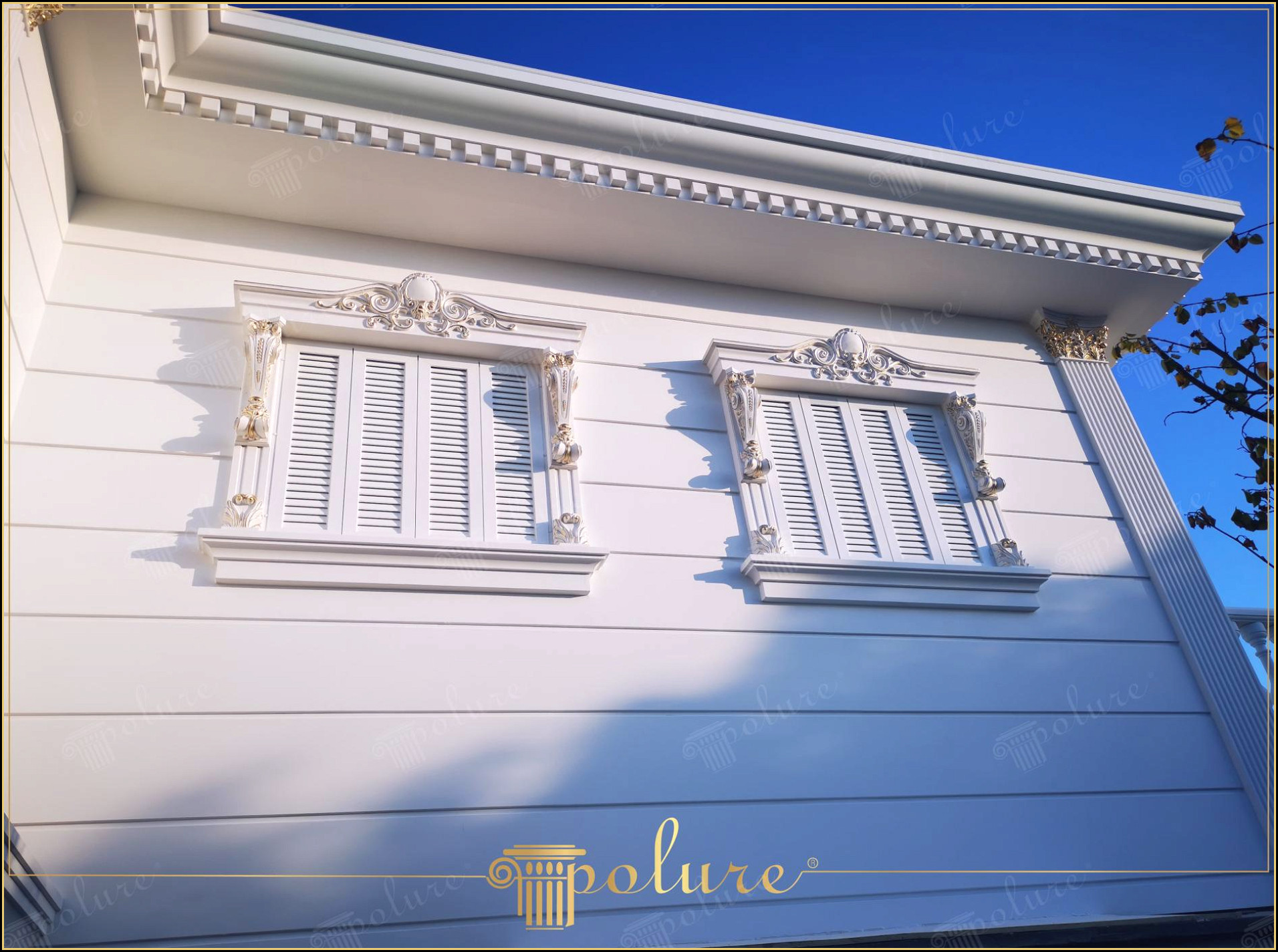
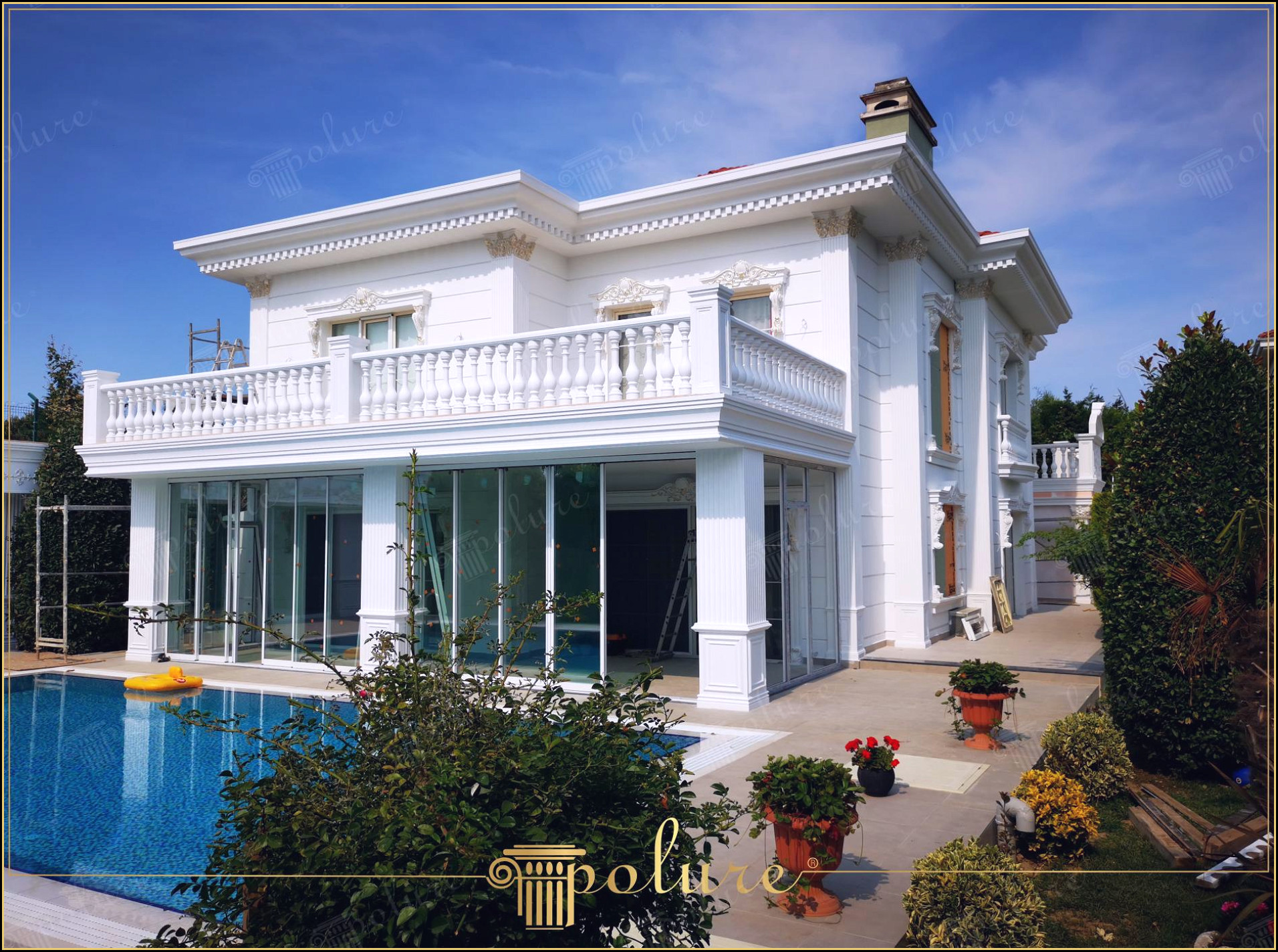


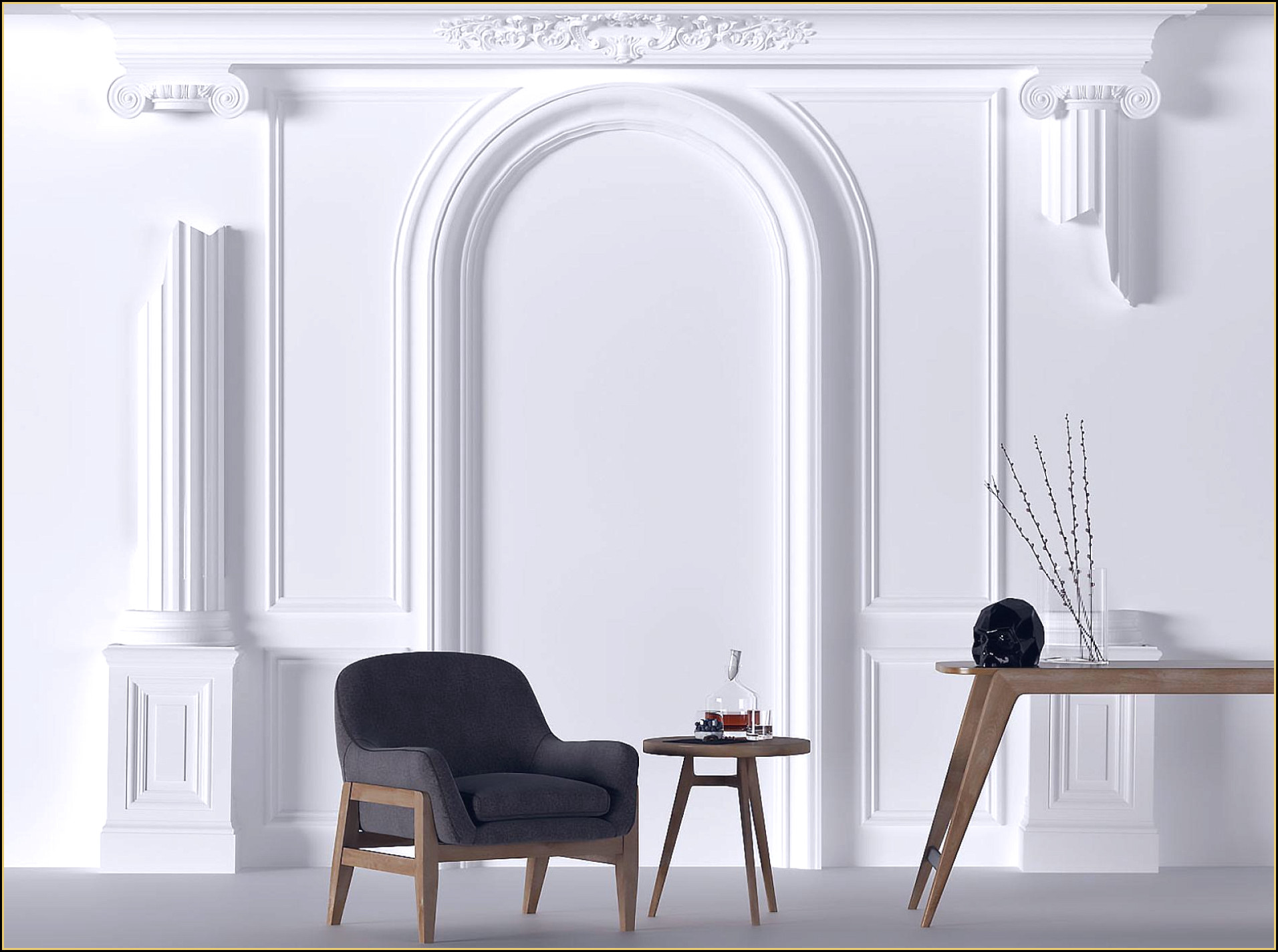

Polyurethane Polyren Aesthetic Glass Cornice Combinations: Unique Solutions in Elegance and Functionality for Exterior Classic General Decoration Models, Design Ideas and Inspirations
Polyurethane Polyren Aesthetic Glass Cornice Combinations Unique Solutions in Elegance and Functionality for Exterior Classi

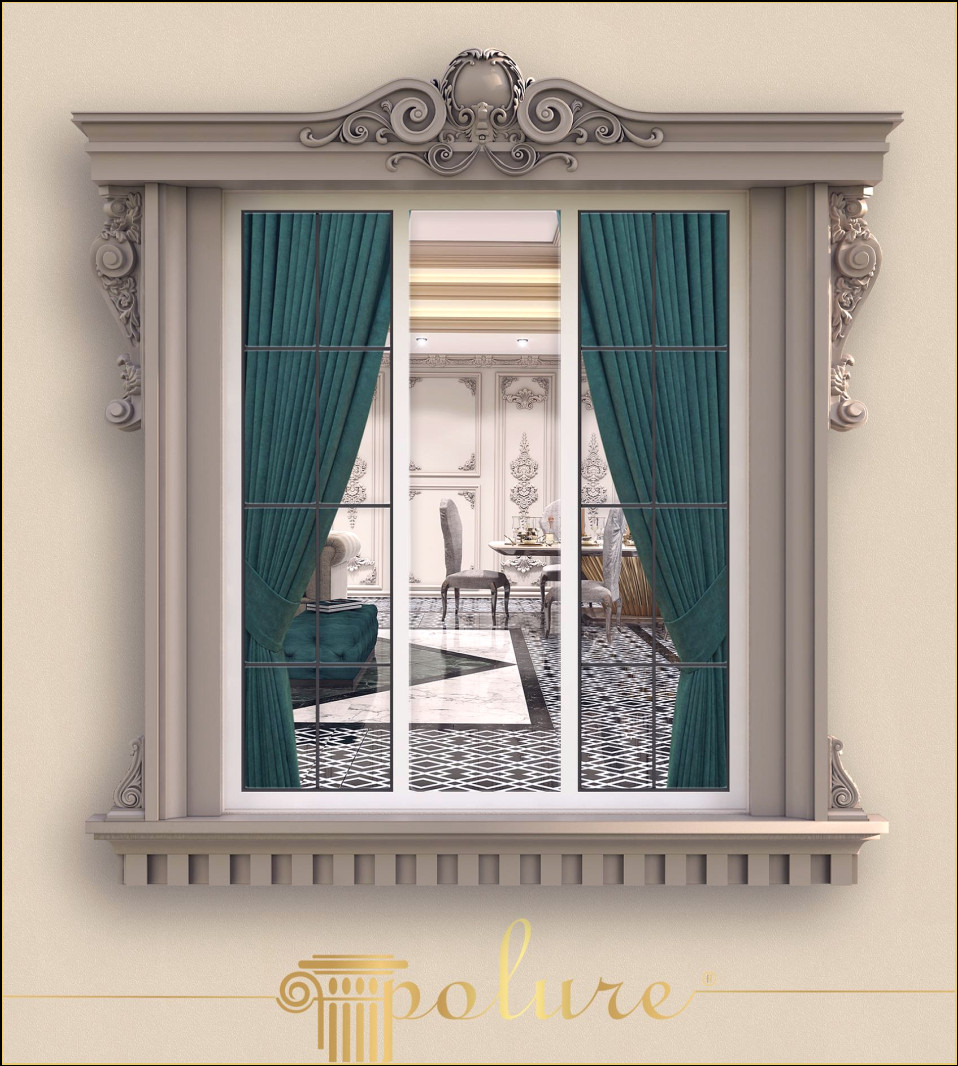


Polyurethane Polyure with Classic Style: Independent Exterior Design Projects Where Elegance Meets Aesthetics - CLASSIC INDEPENDENT EXTERIOR Decoration Models Design and Sample Decoration Ideas
Polyurethane Polyure with Classic Style: Elegance Meets Aesthetics in Exterior Design When it comes to exterior design, strik


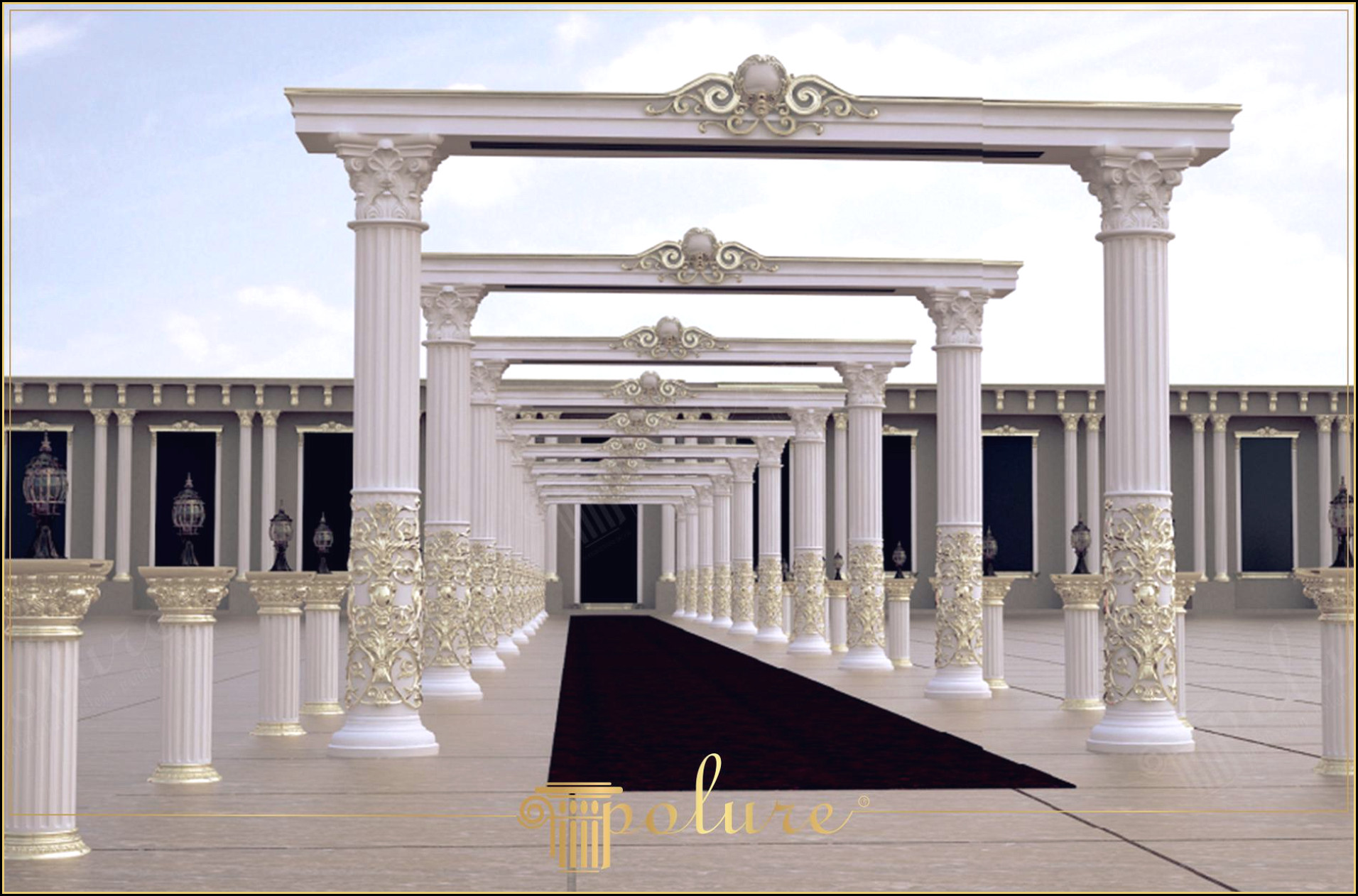

Polyurethane Polyure Classic Style Exterior Design Projects for Businesses: Unique Designs to Reflect Your Business's Prestige - EXTERIOR CLASSIC BUSINESS Decor Models, Design Ideas, and Decoration Inspirations
Polyurethane Polyure Classic Style Exterior Designs for Businesses When it comes to project


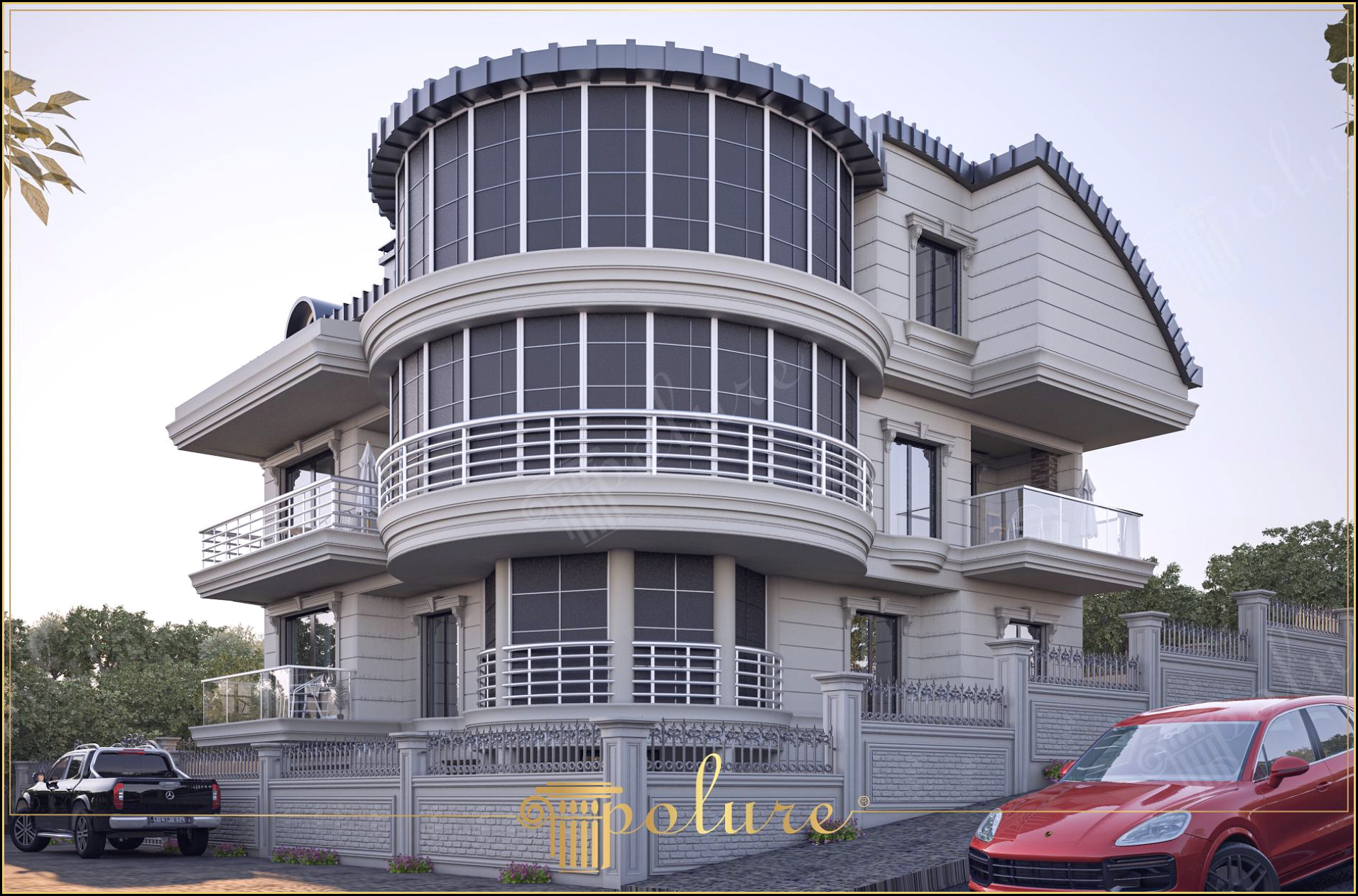
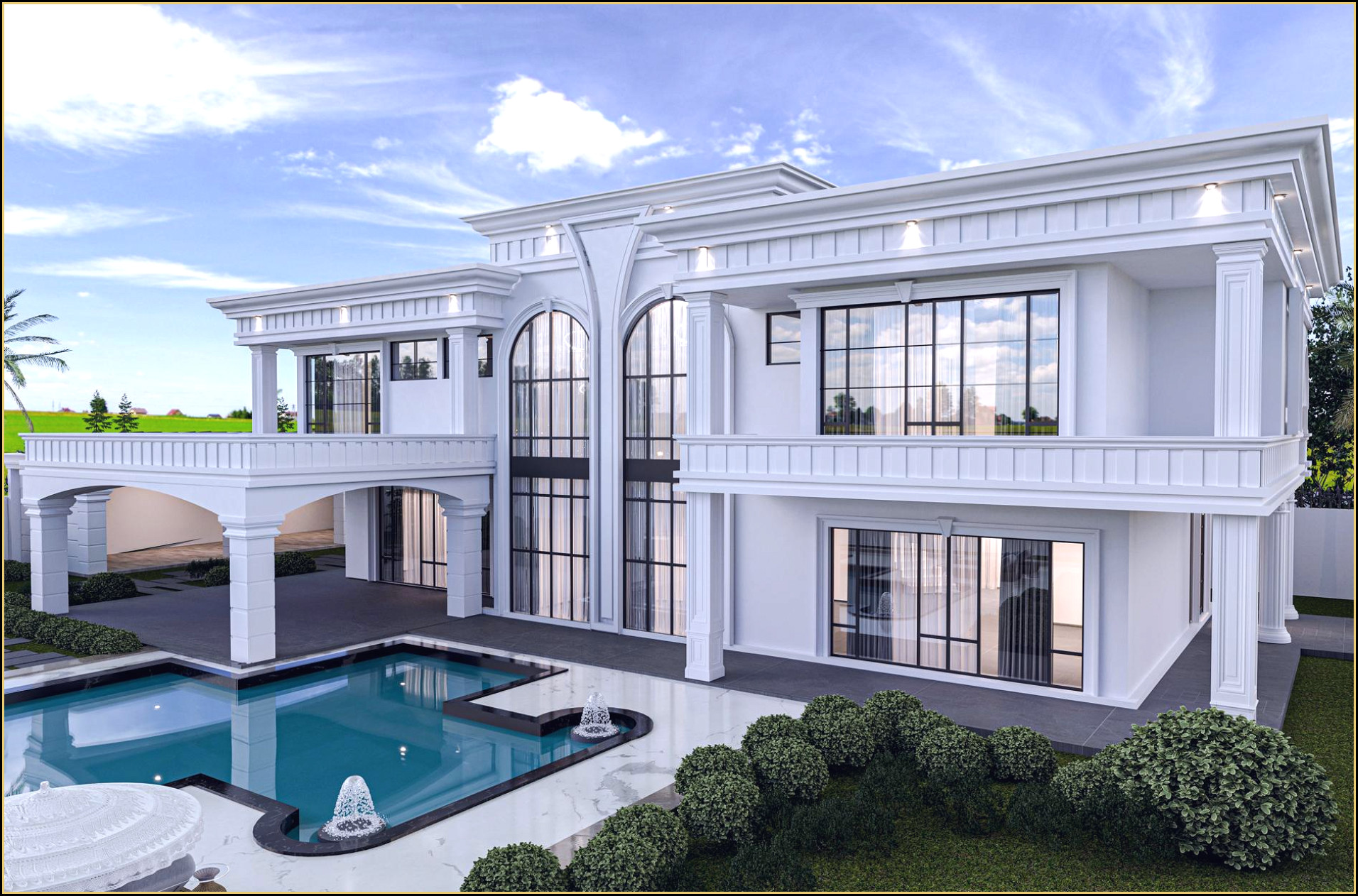


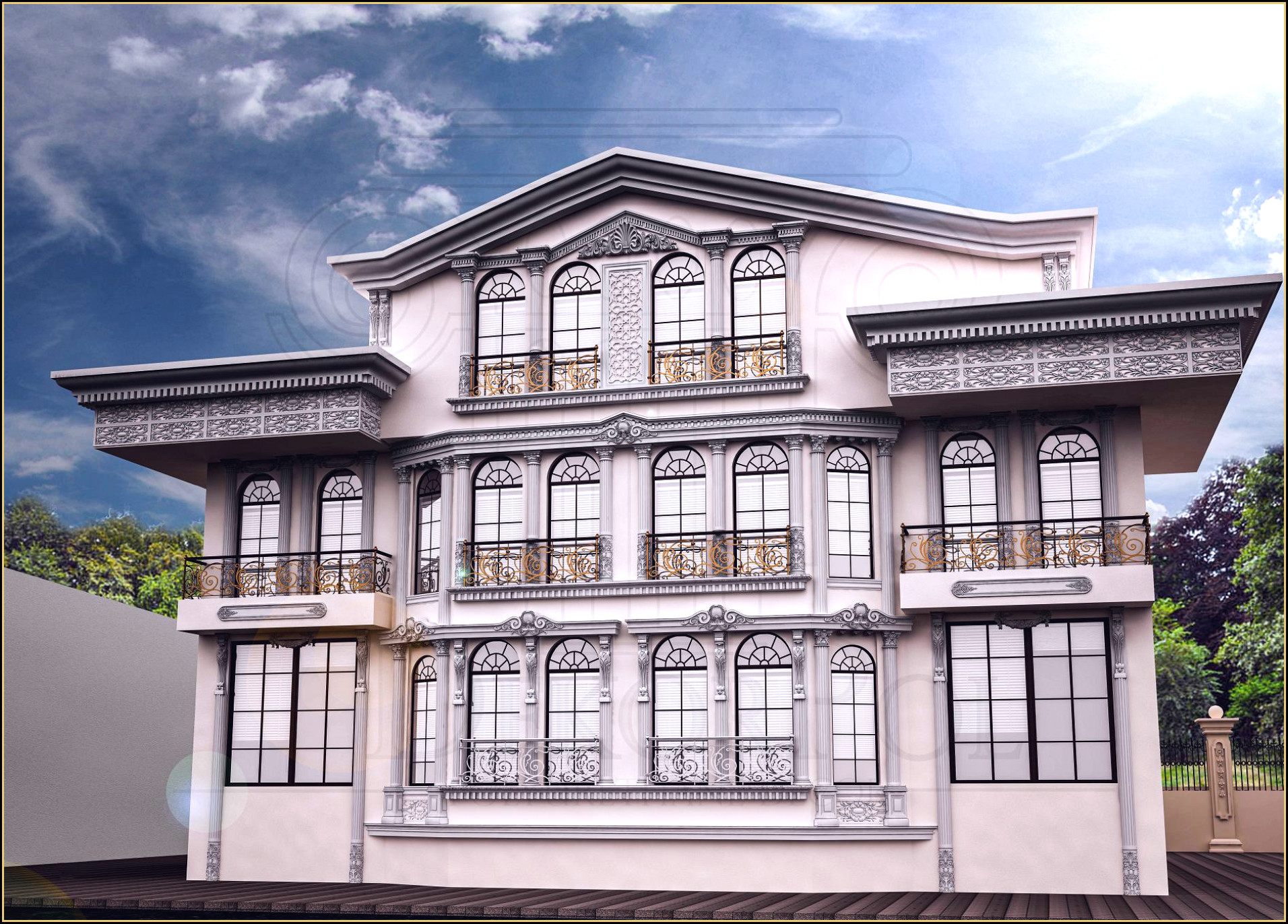
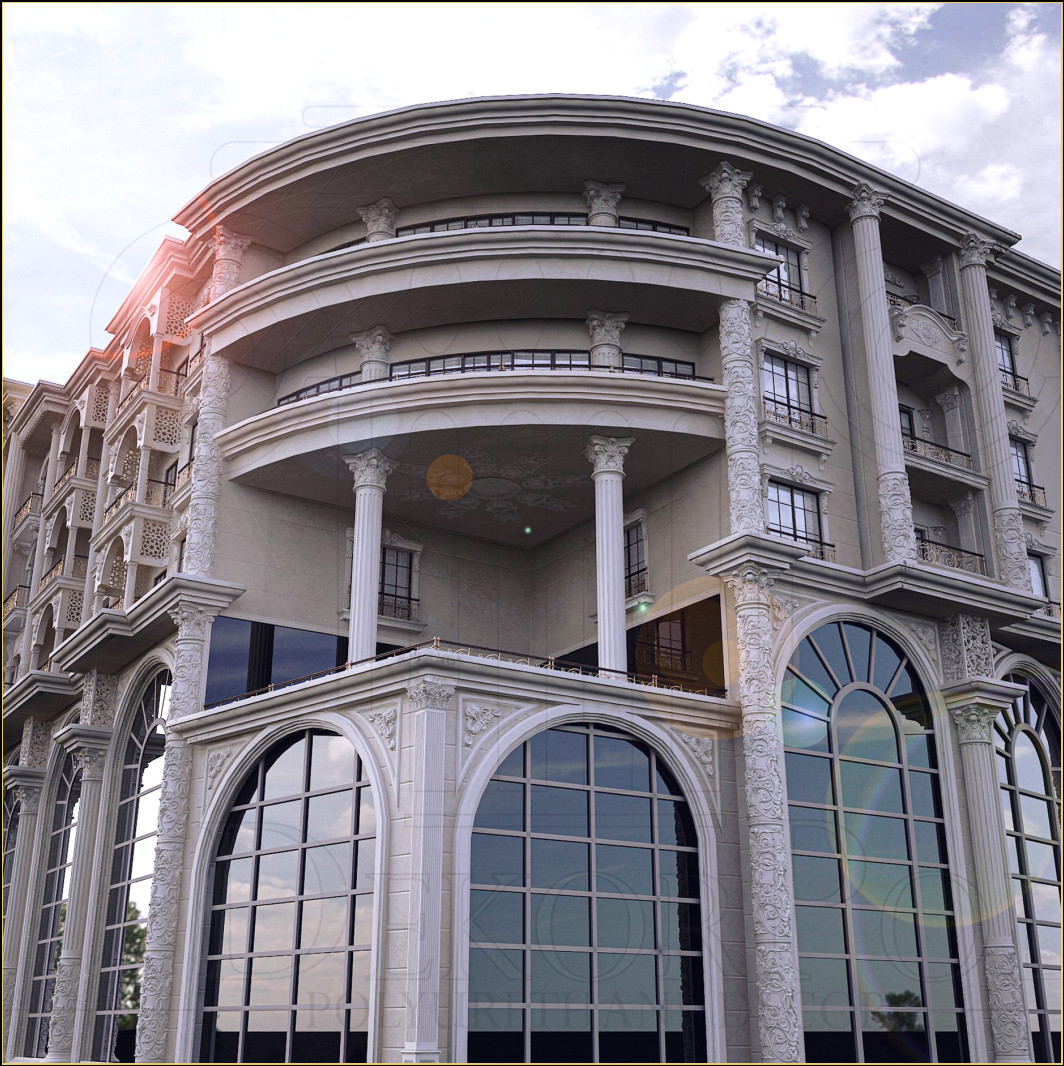

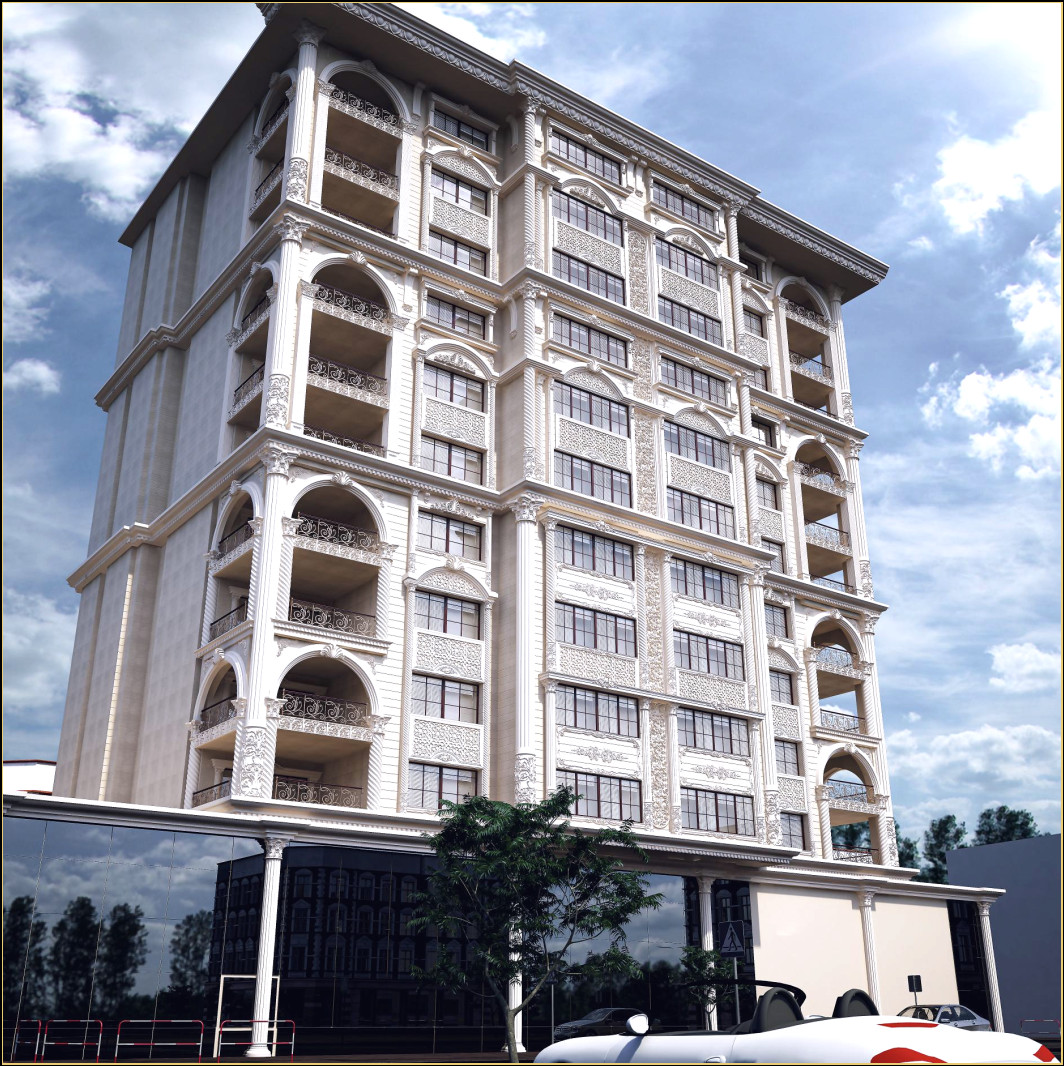

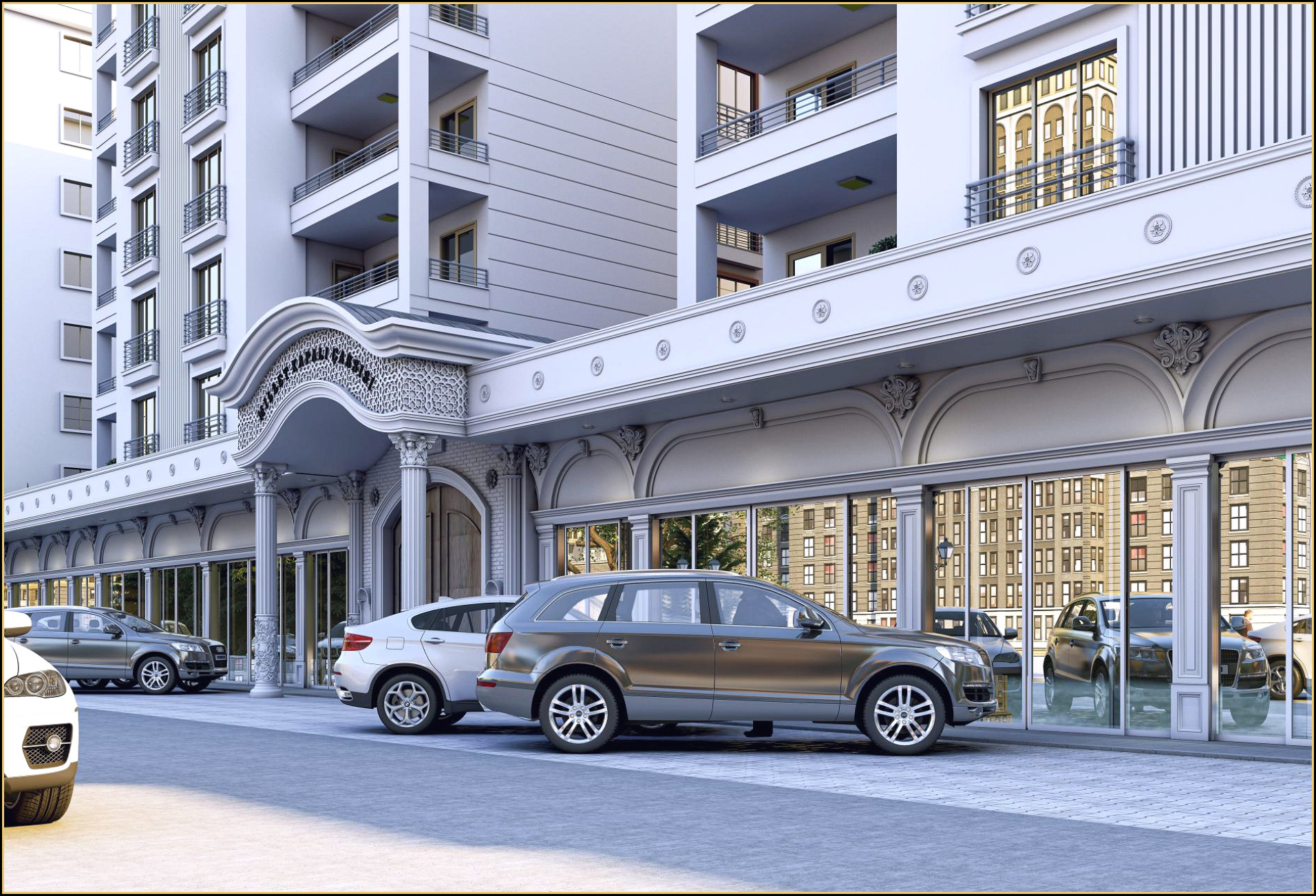
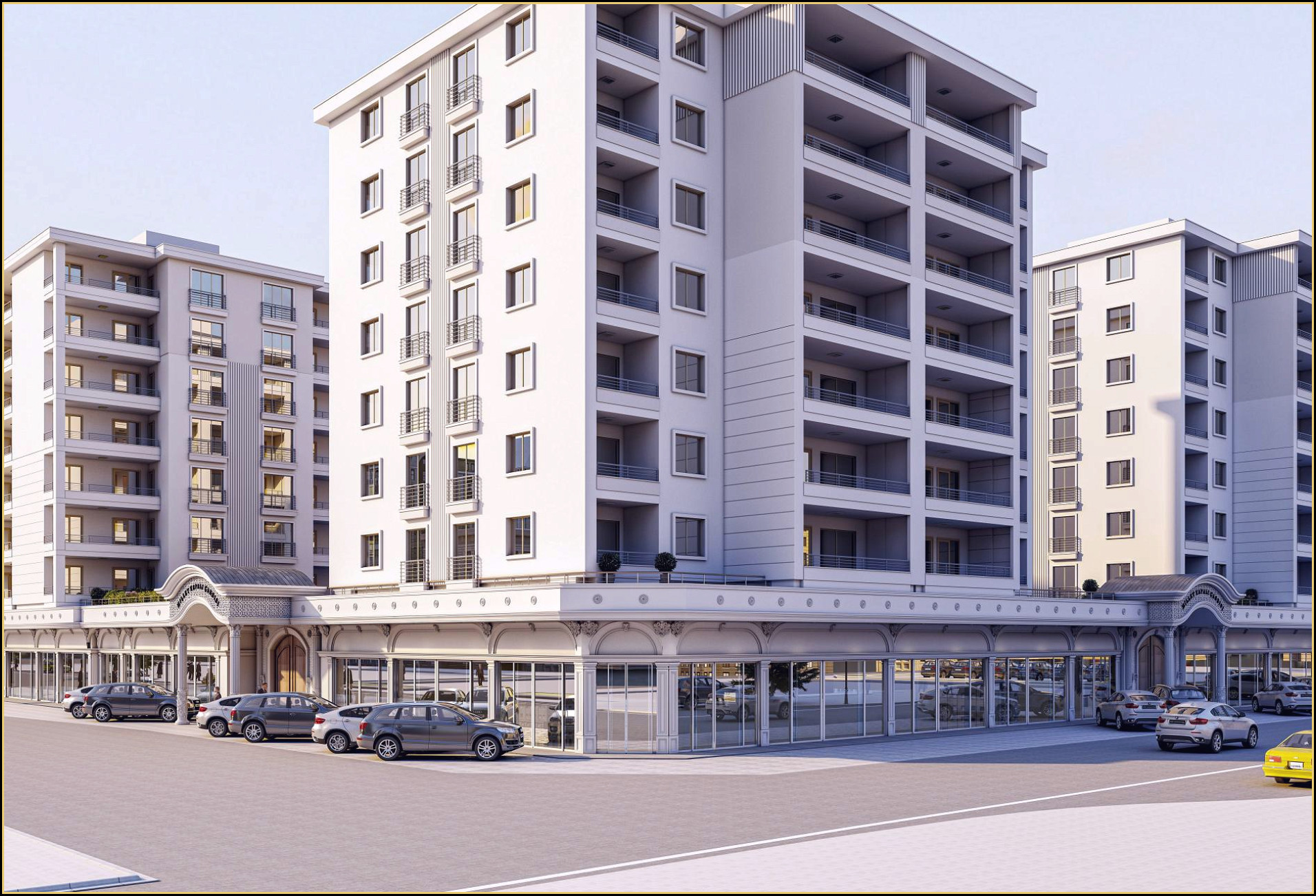


Polyurethane Building and Hotel Exterior Polyurethane Cornice Design: Aesthetic and Durable Options for EXTERIOR CLASSIC INDEPENDENT Decoration Models, Design Ideas and Inspirations
Polyurethane Building and Hotel Exterior Cornice Design Aesthetic and Durable Options for Exterior Classic Independent Decor


Polyurethane Building and Hotel Exterior Polyurethane Cornice: A Modern Classic Touch in Columns and Buttresses EXTERIOR CLASSIC WEDDING HALL Decoration Models Design and Sample Decoration Ideas
Polyurethane Cornices: Elevating Exterior Decor in Modern Architecture Integrating polyurethane cornices into the exterior de
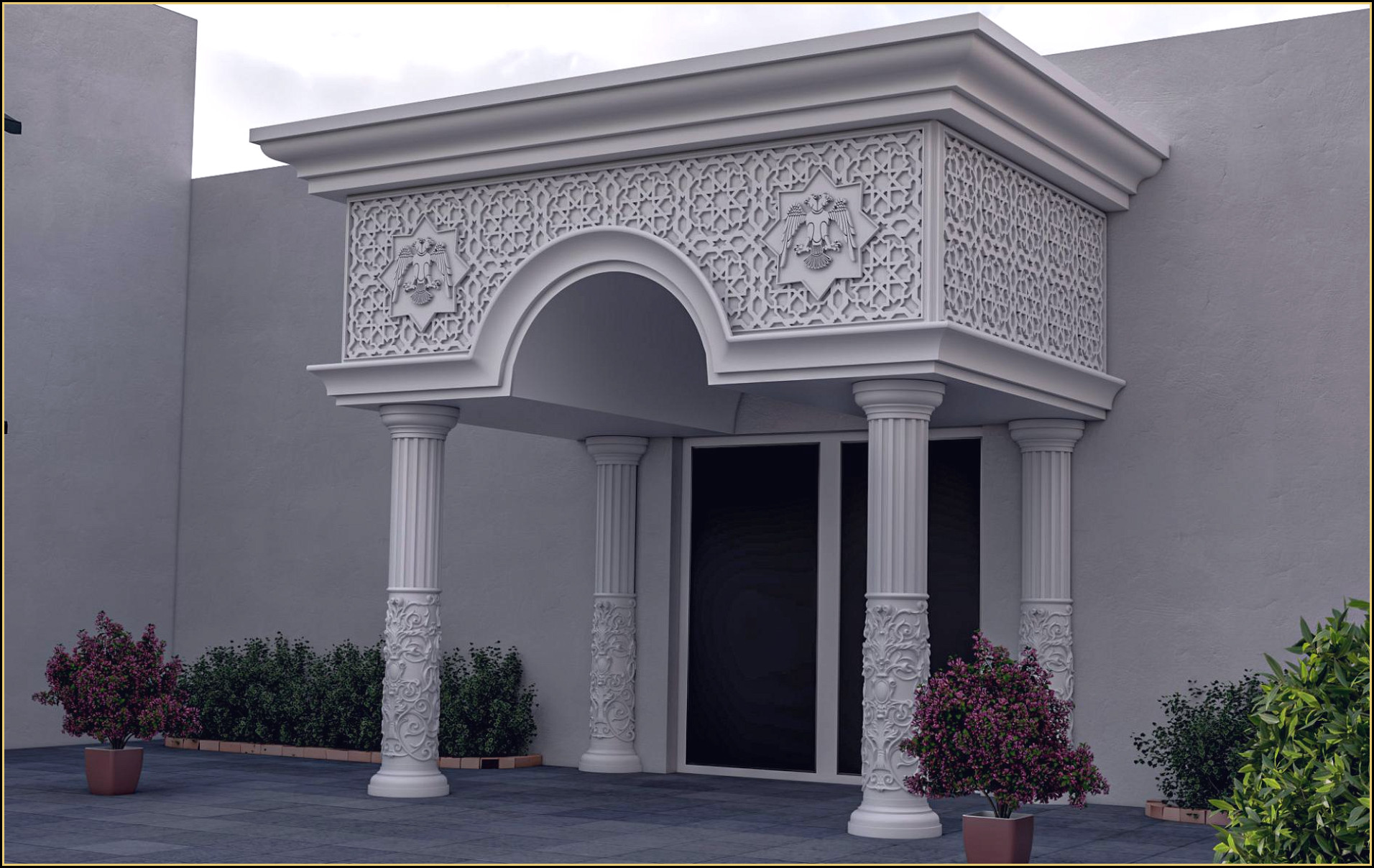


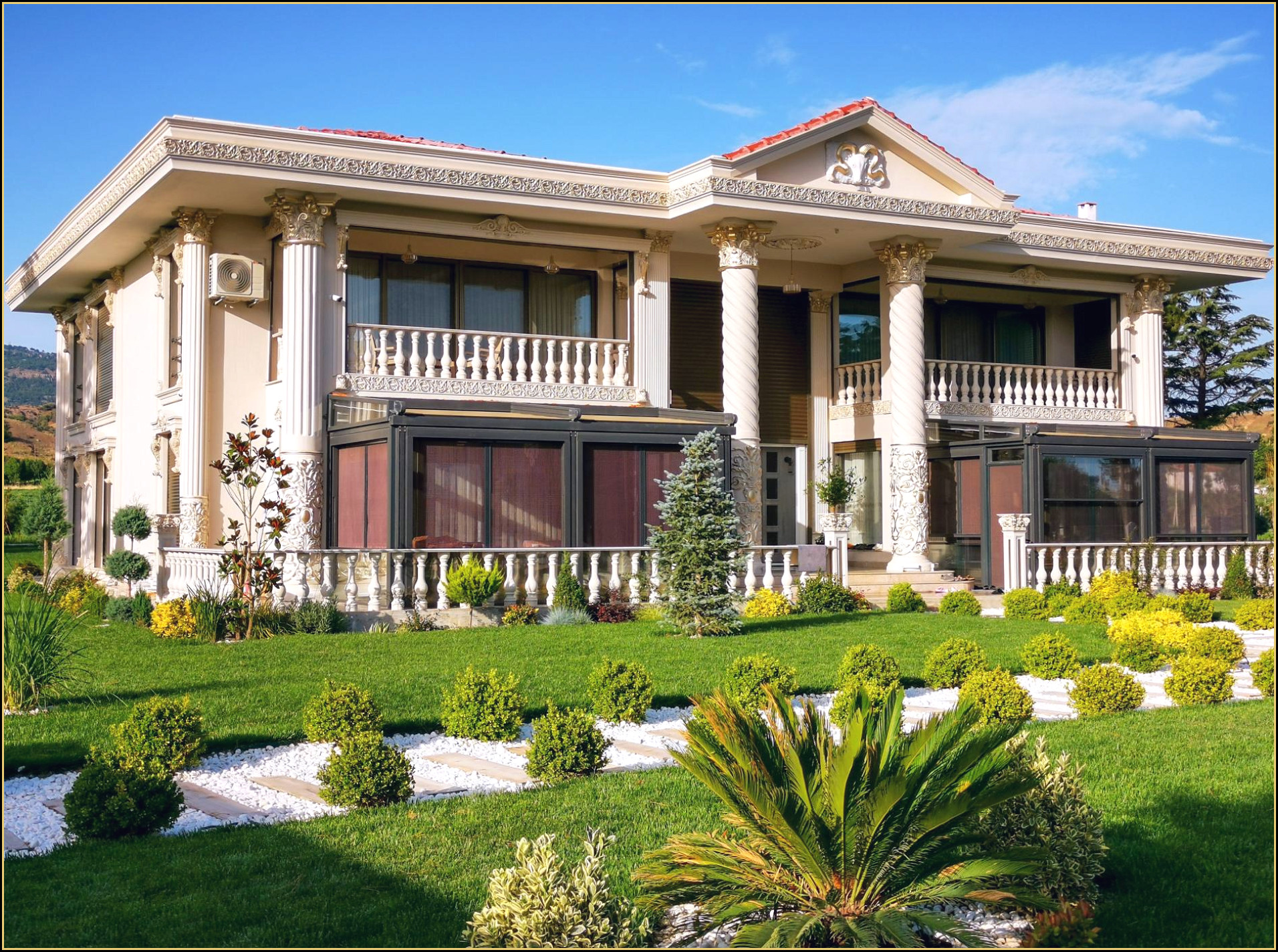
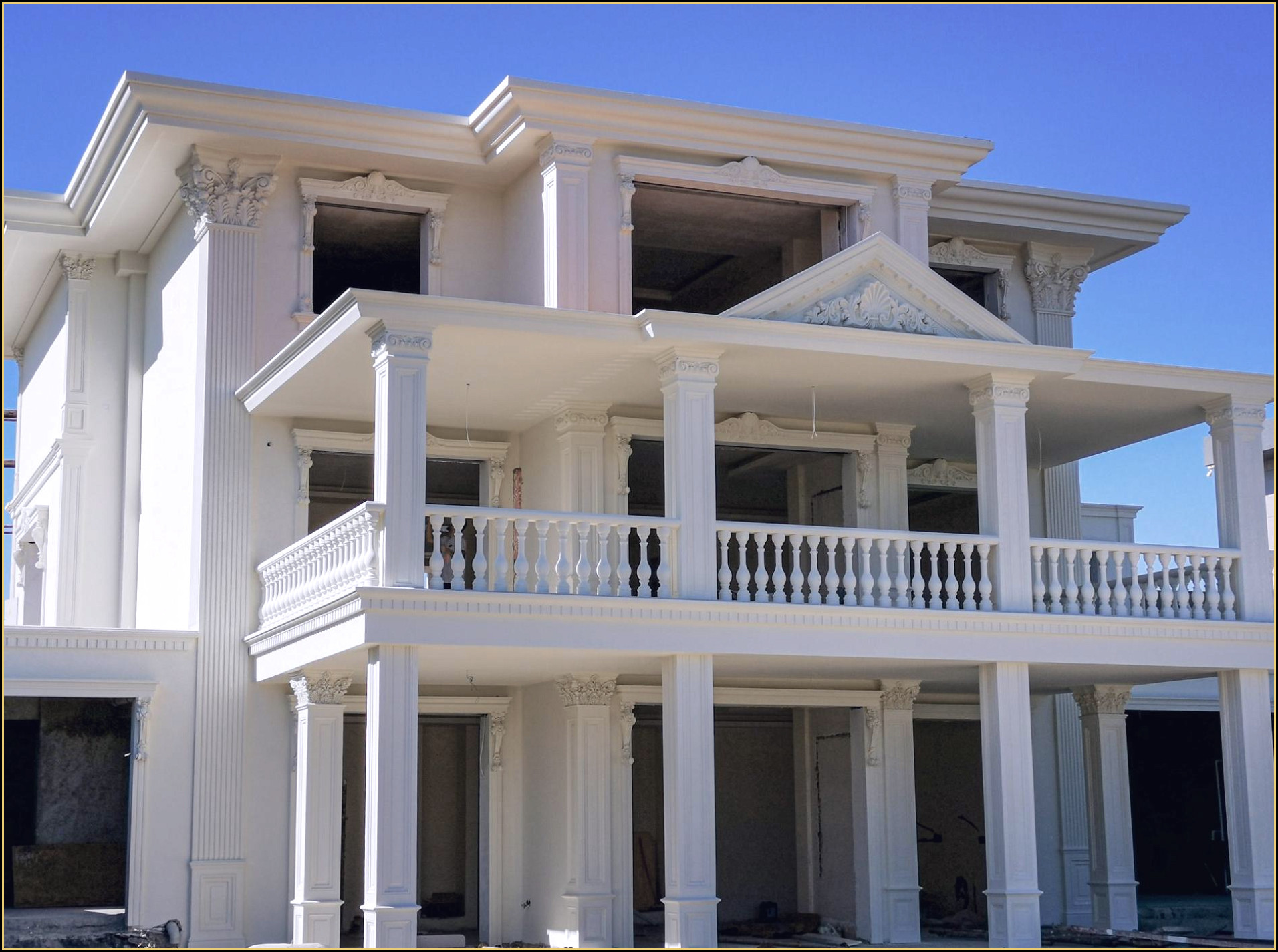




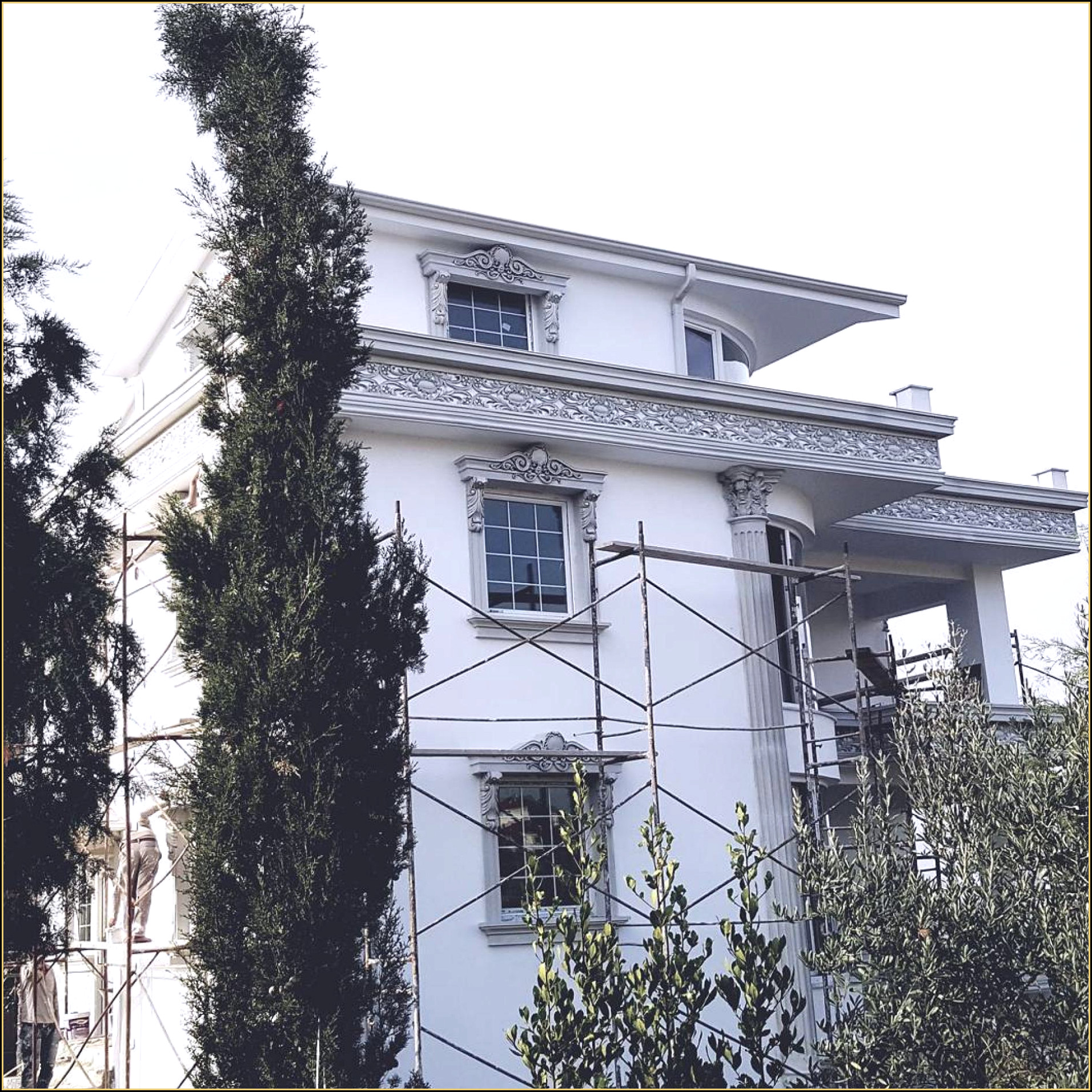
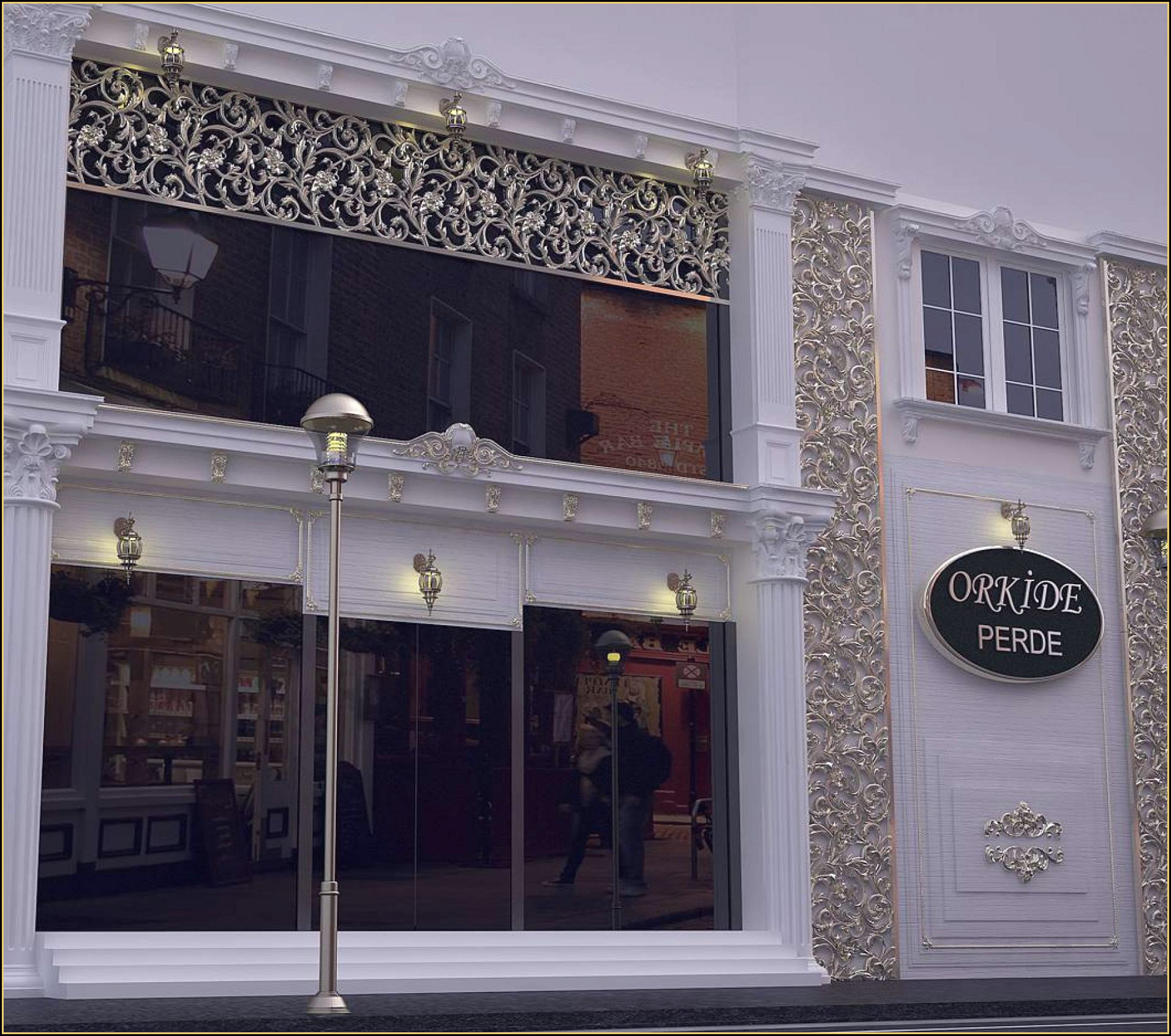
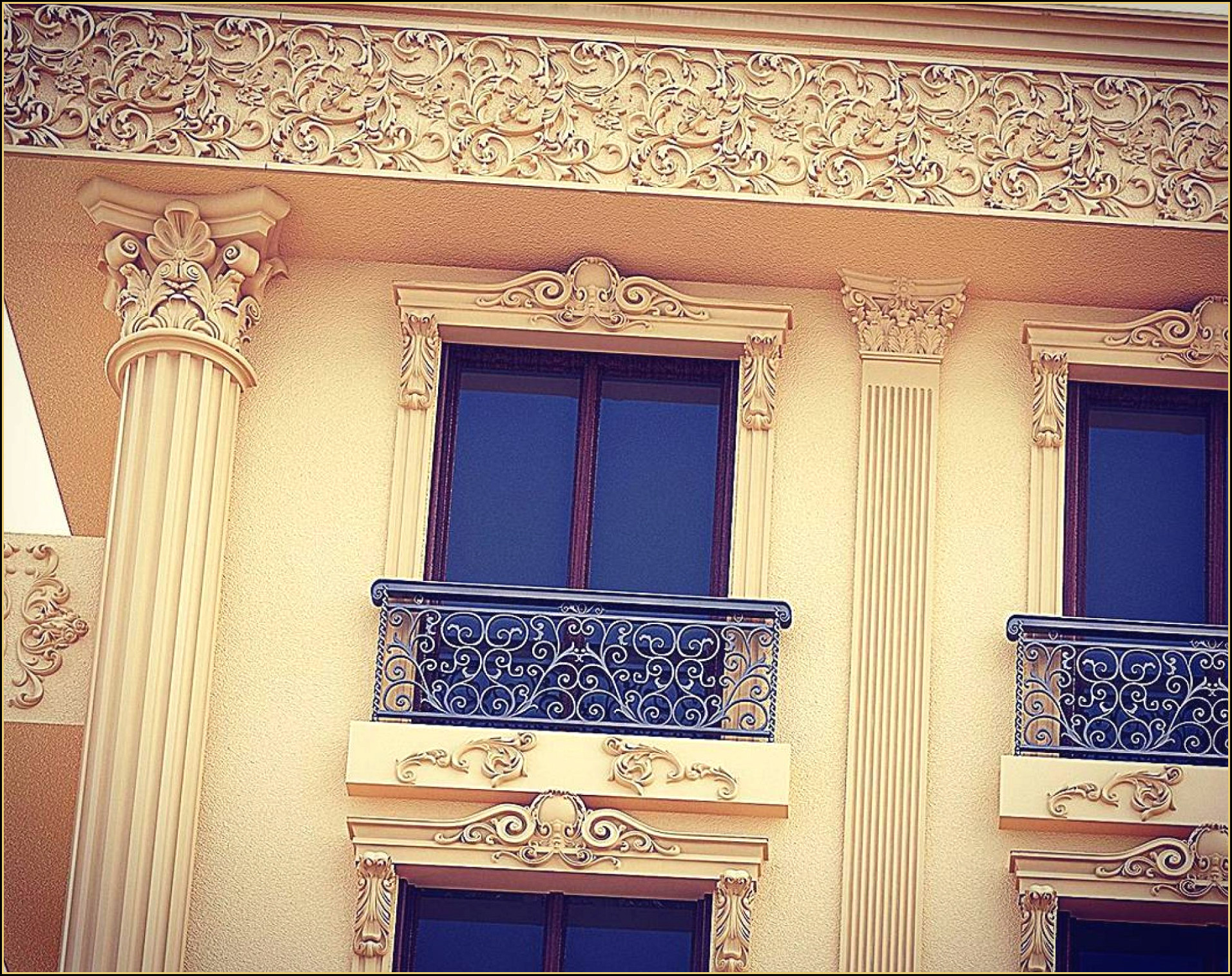
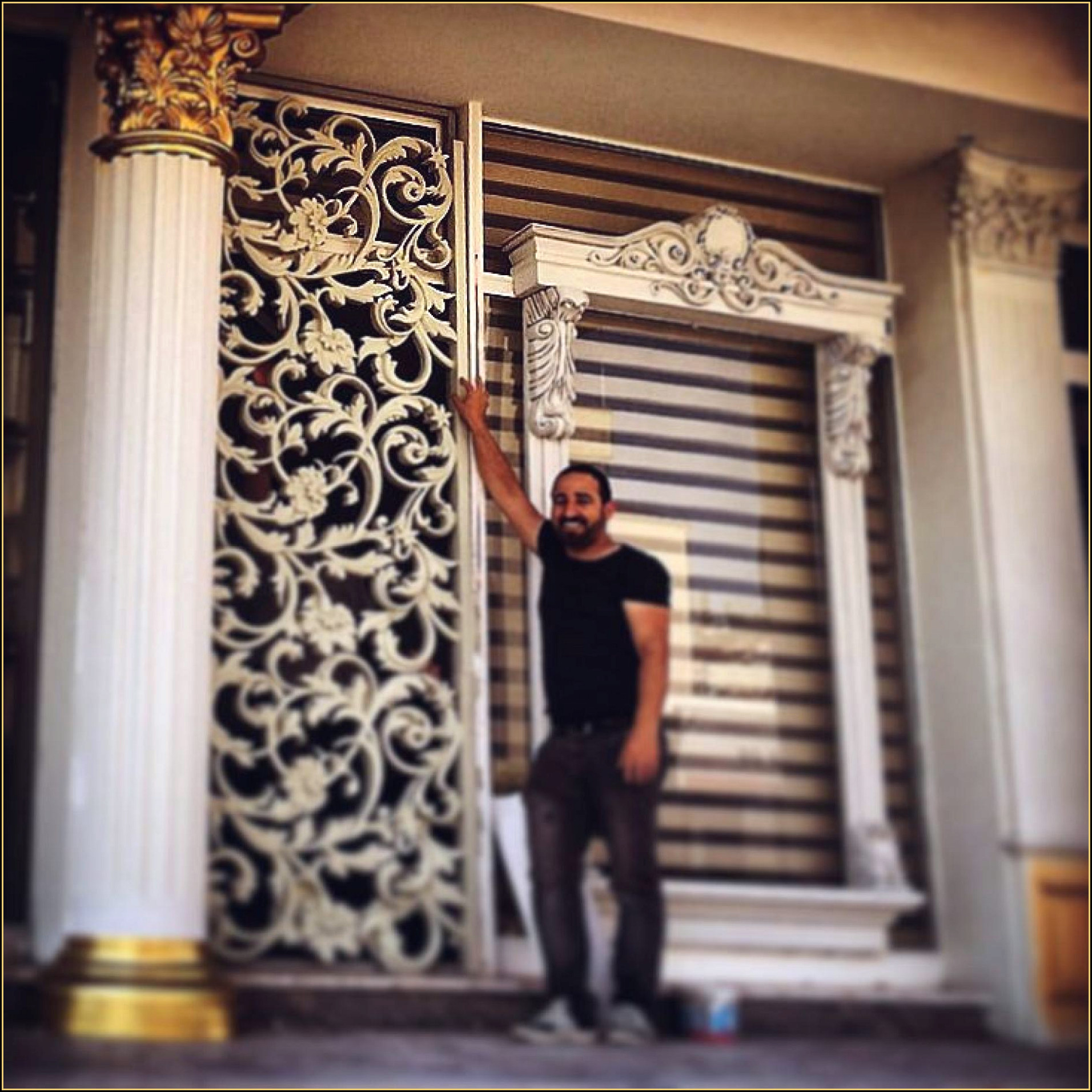






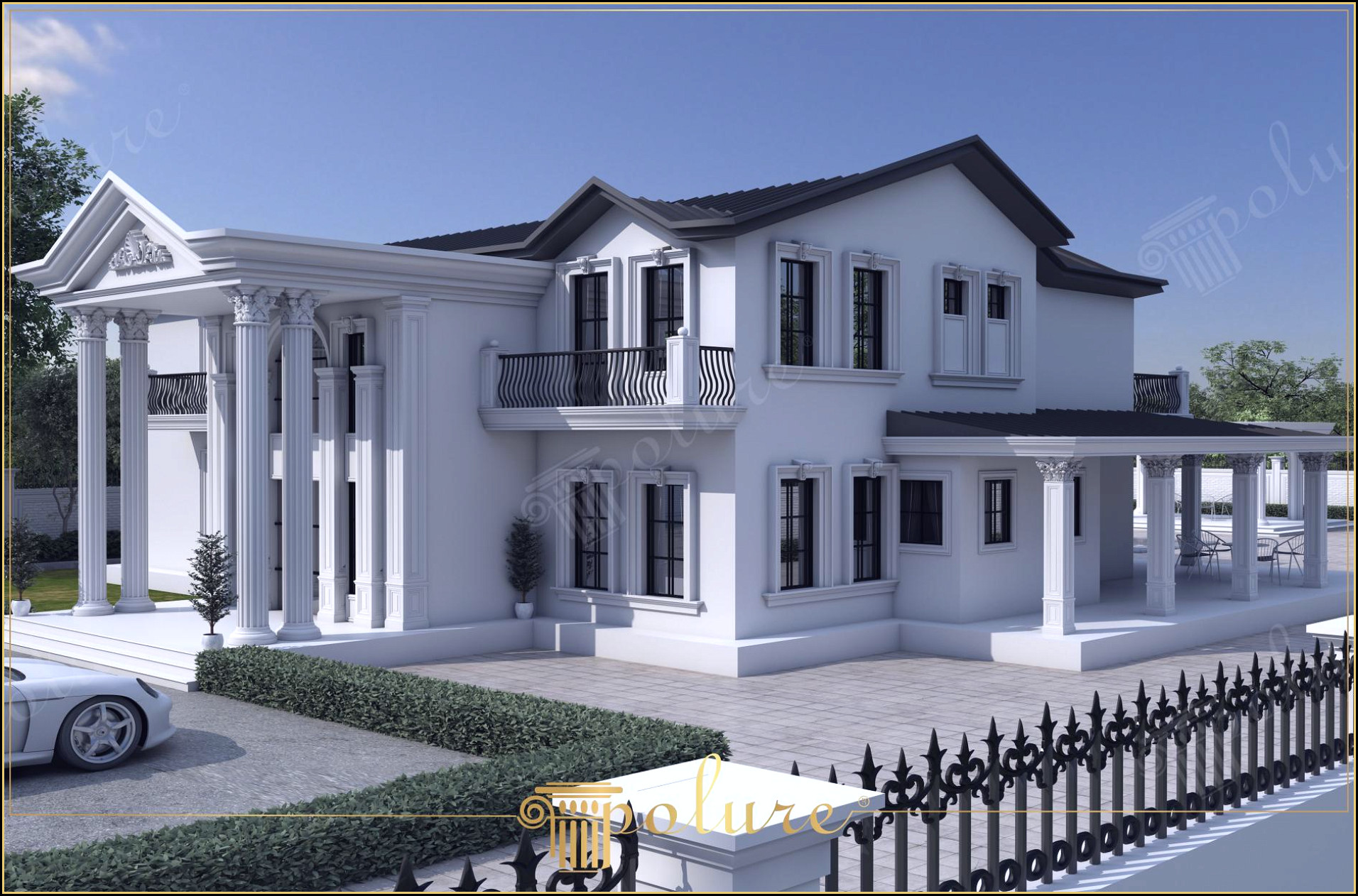
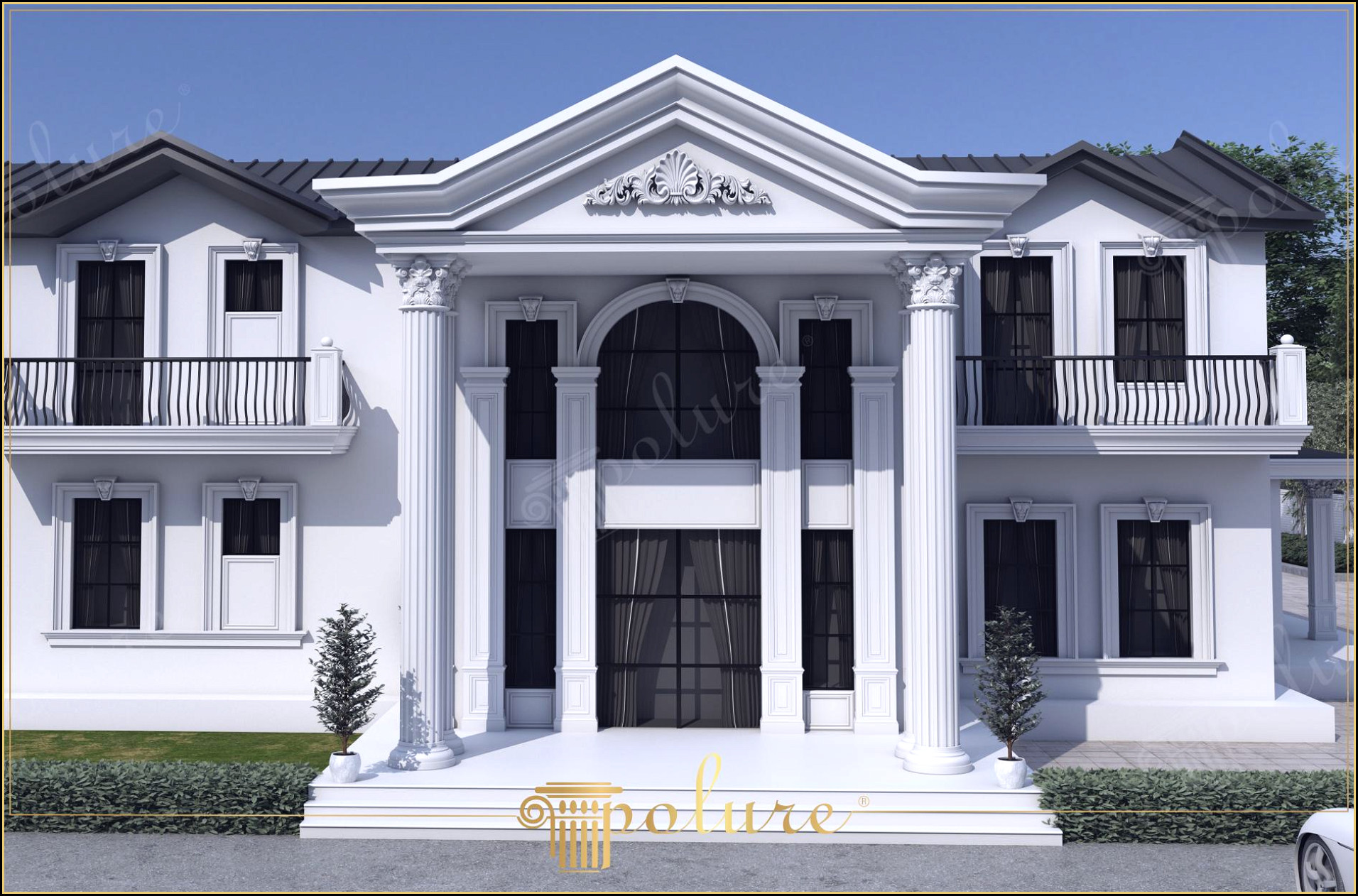
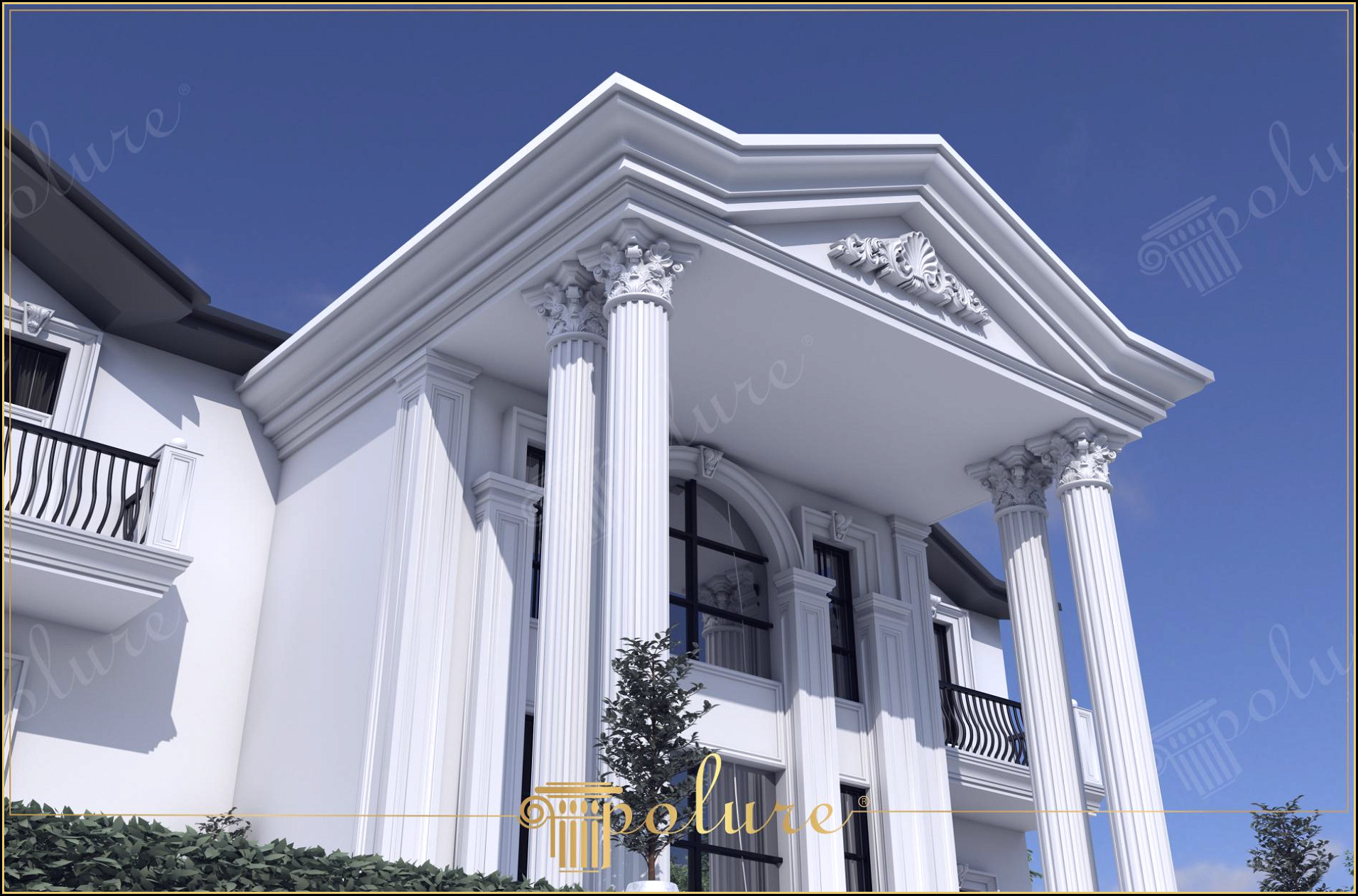
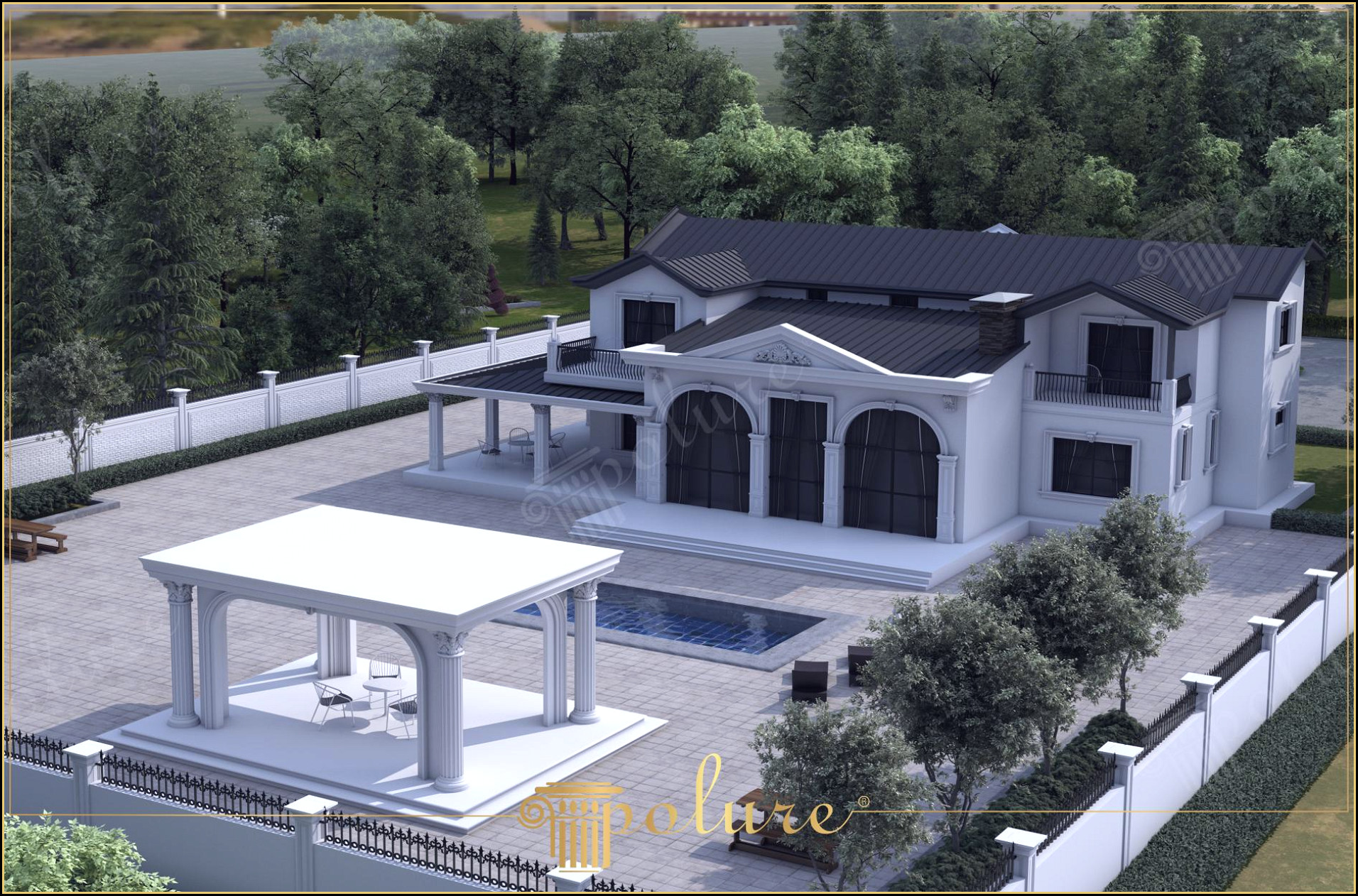

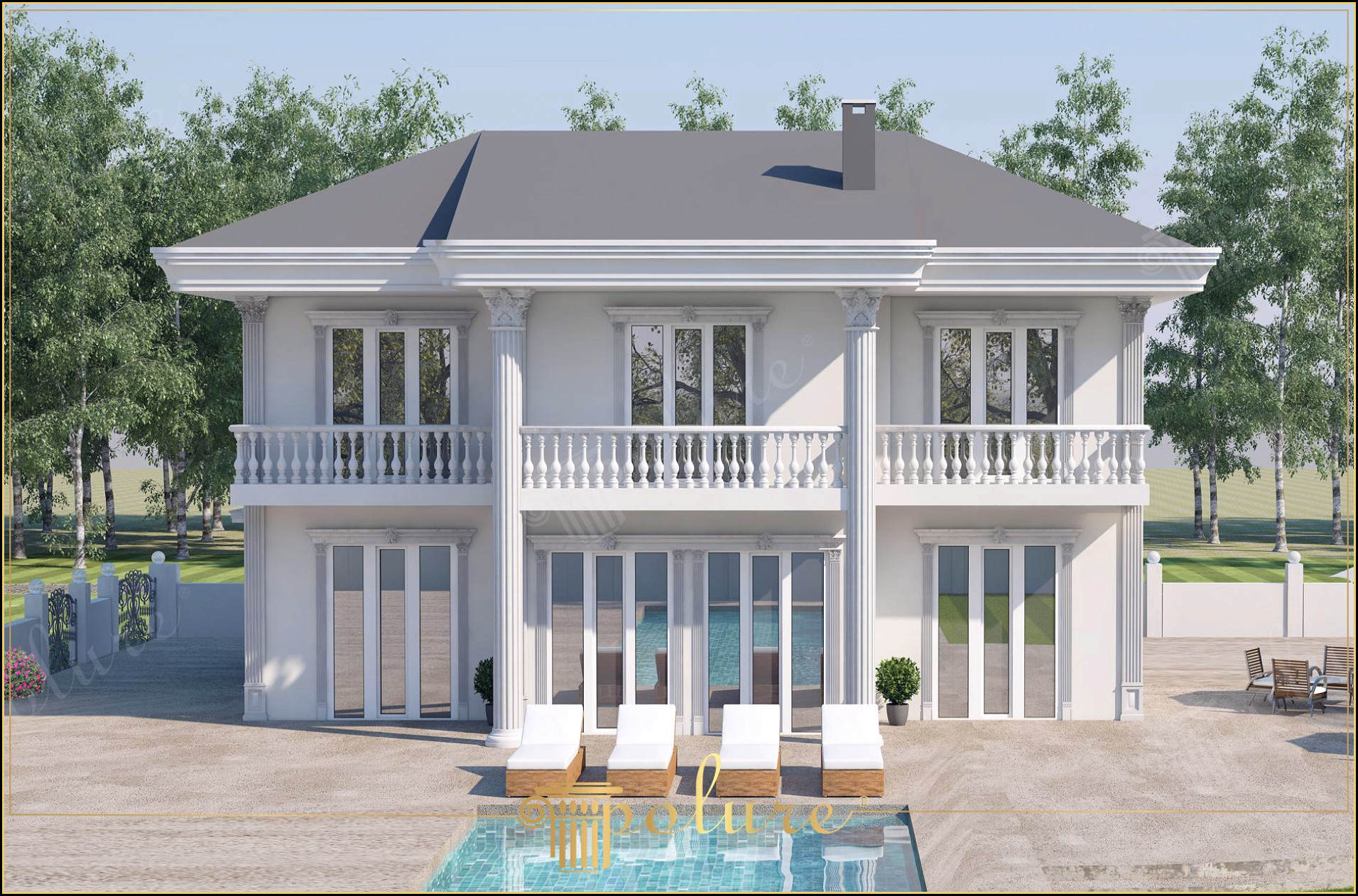
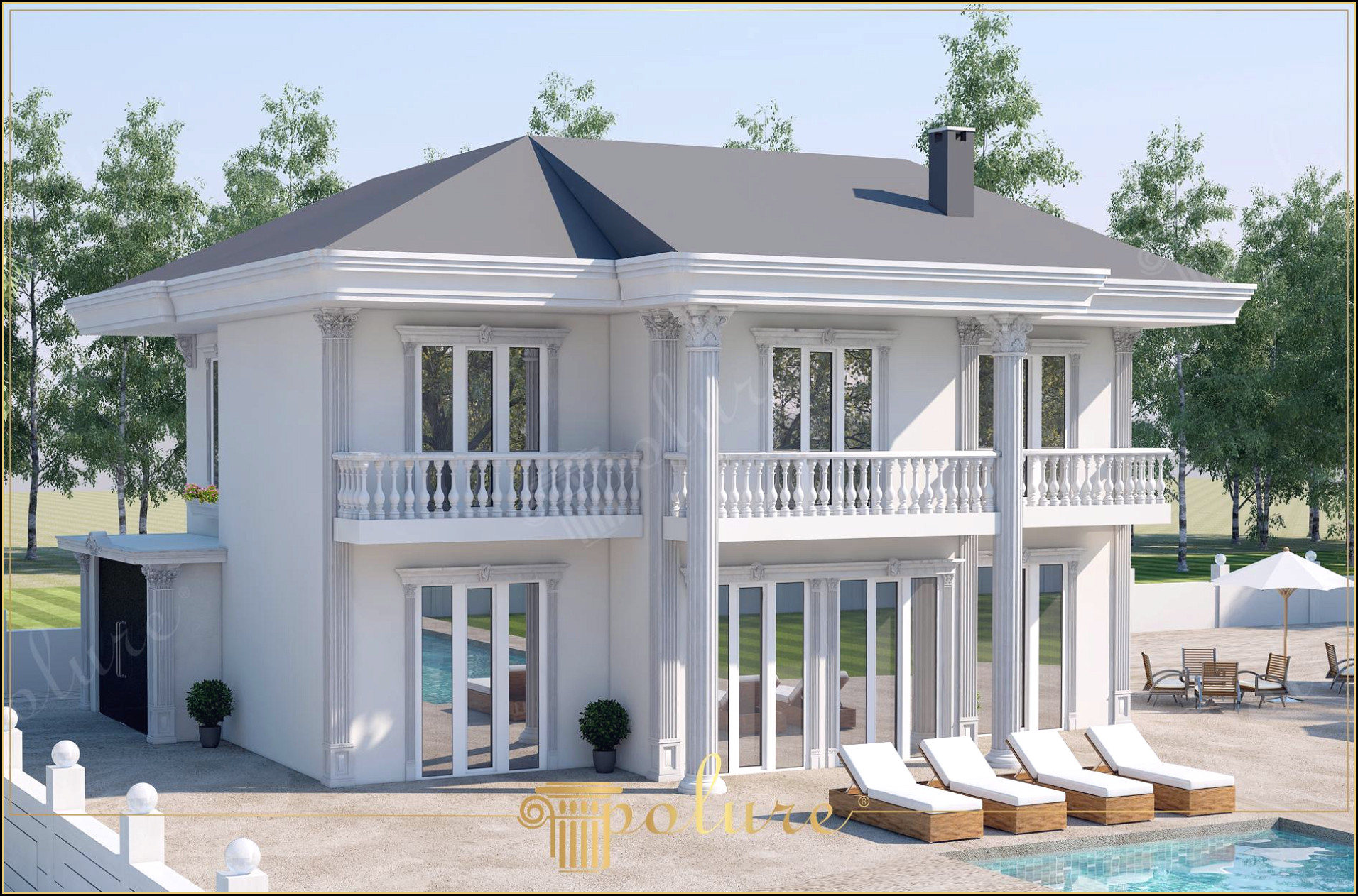
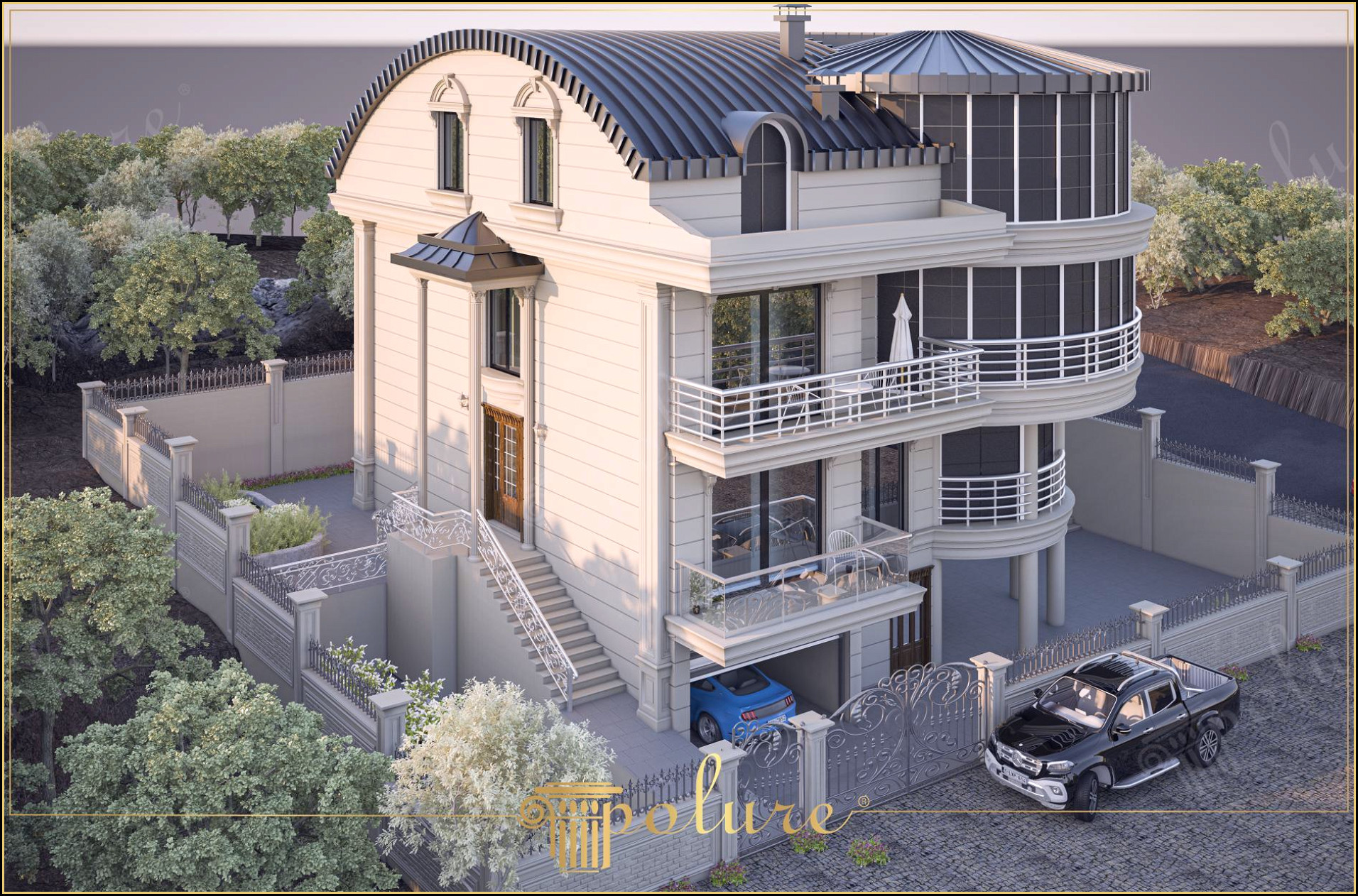
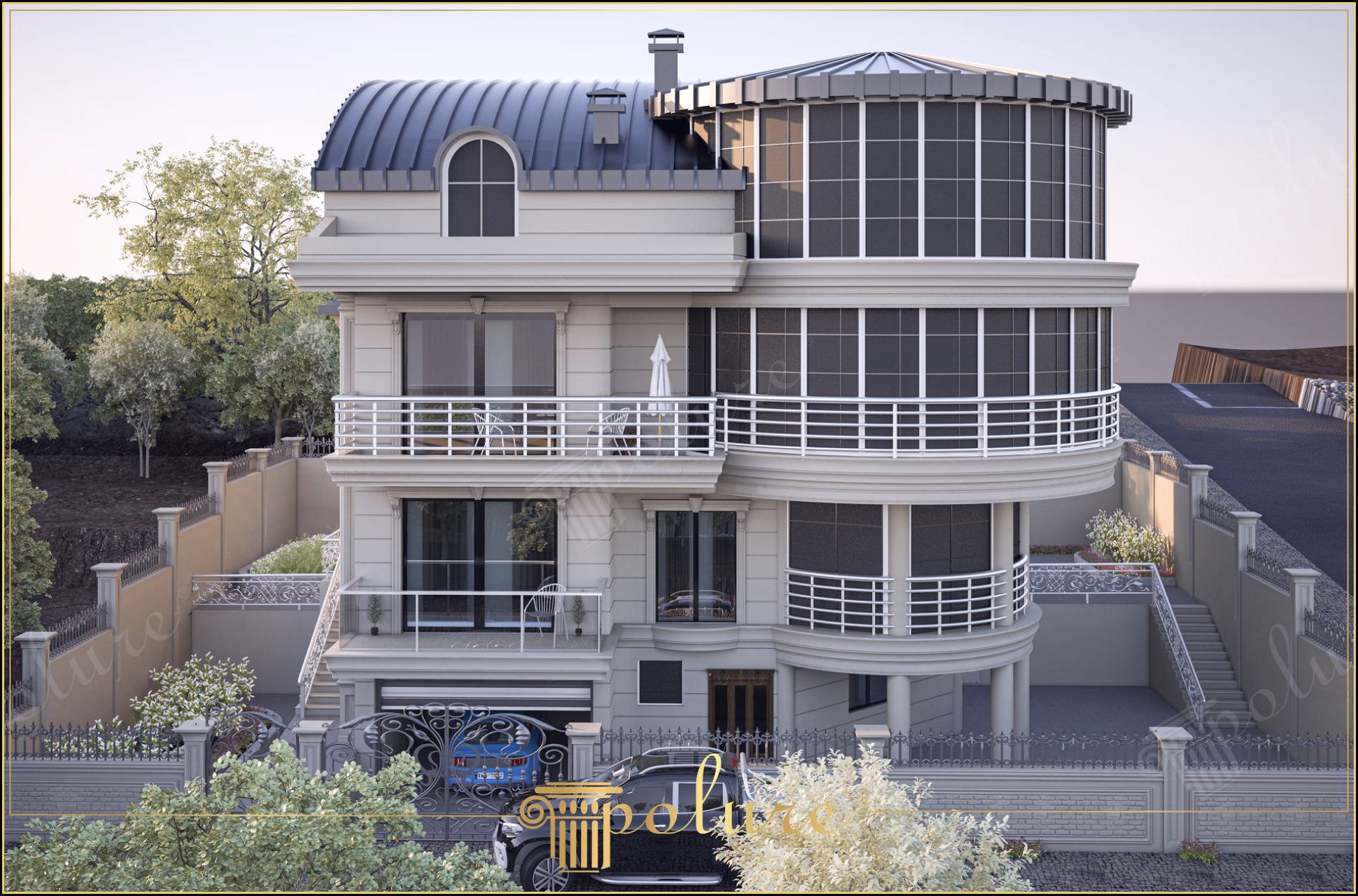

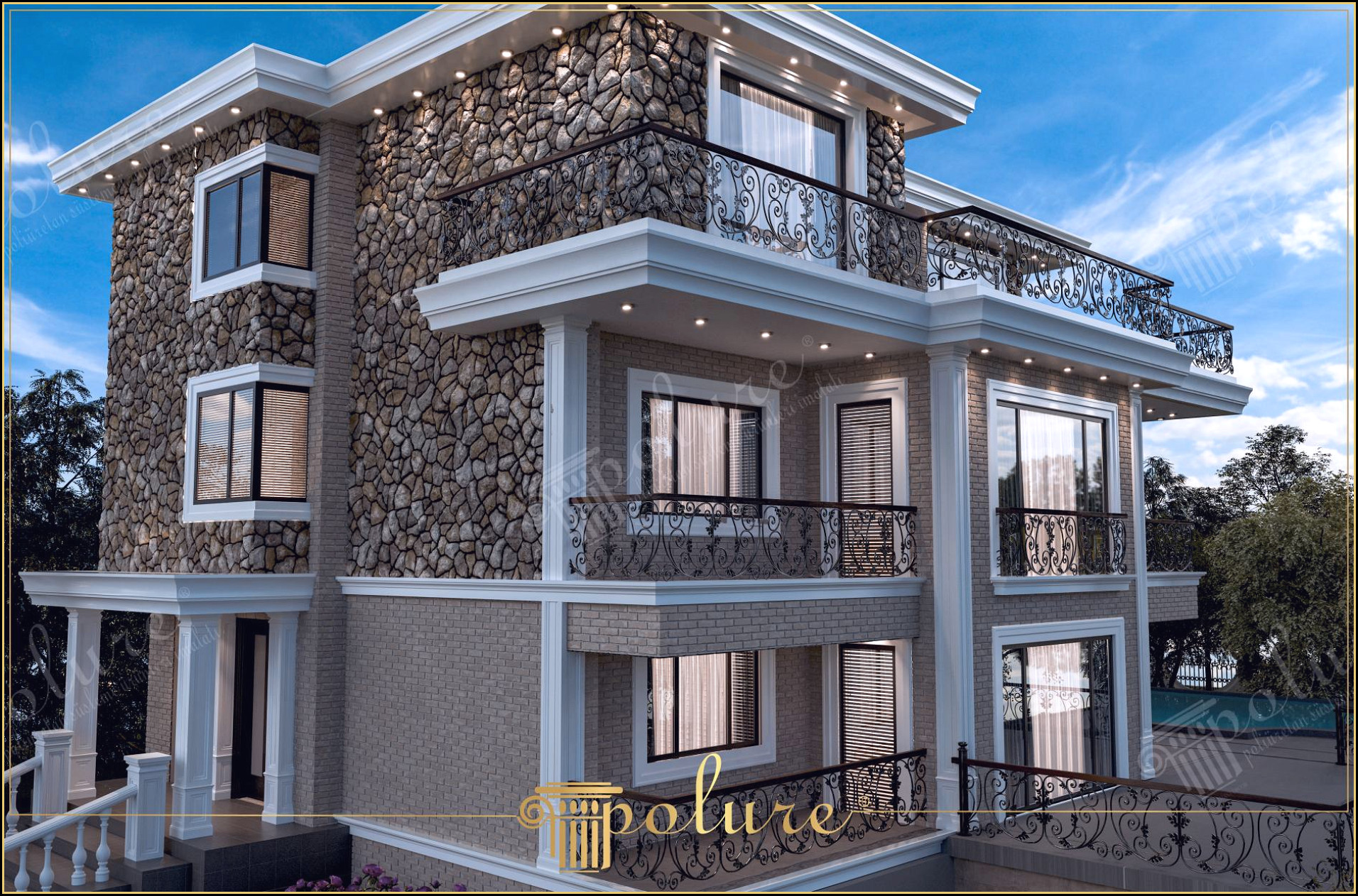


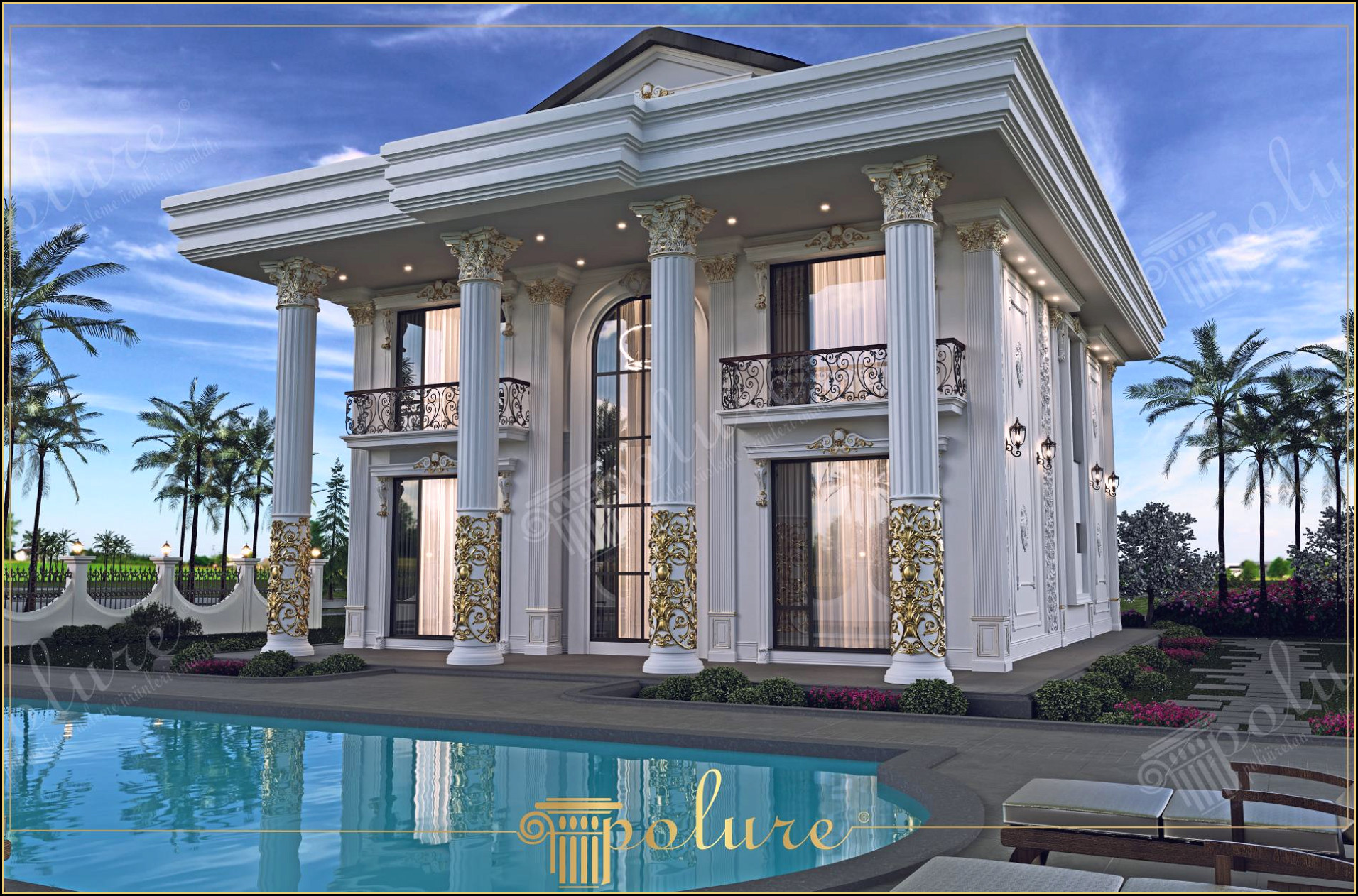
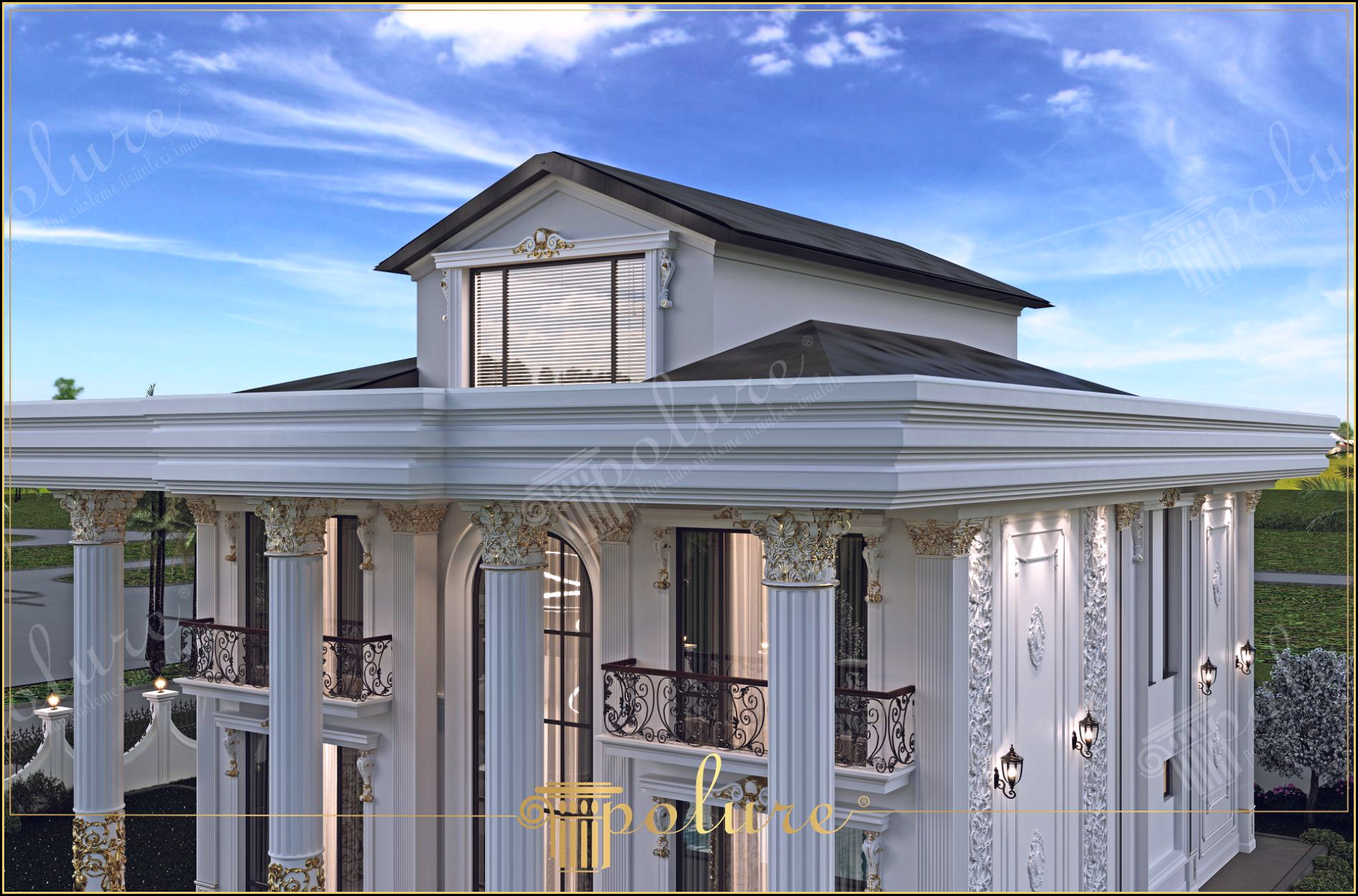
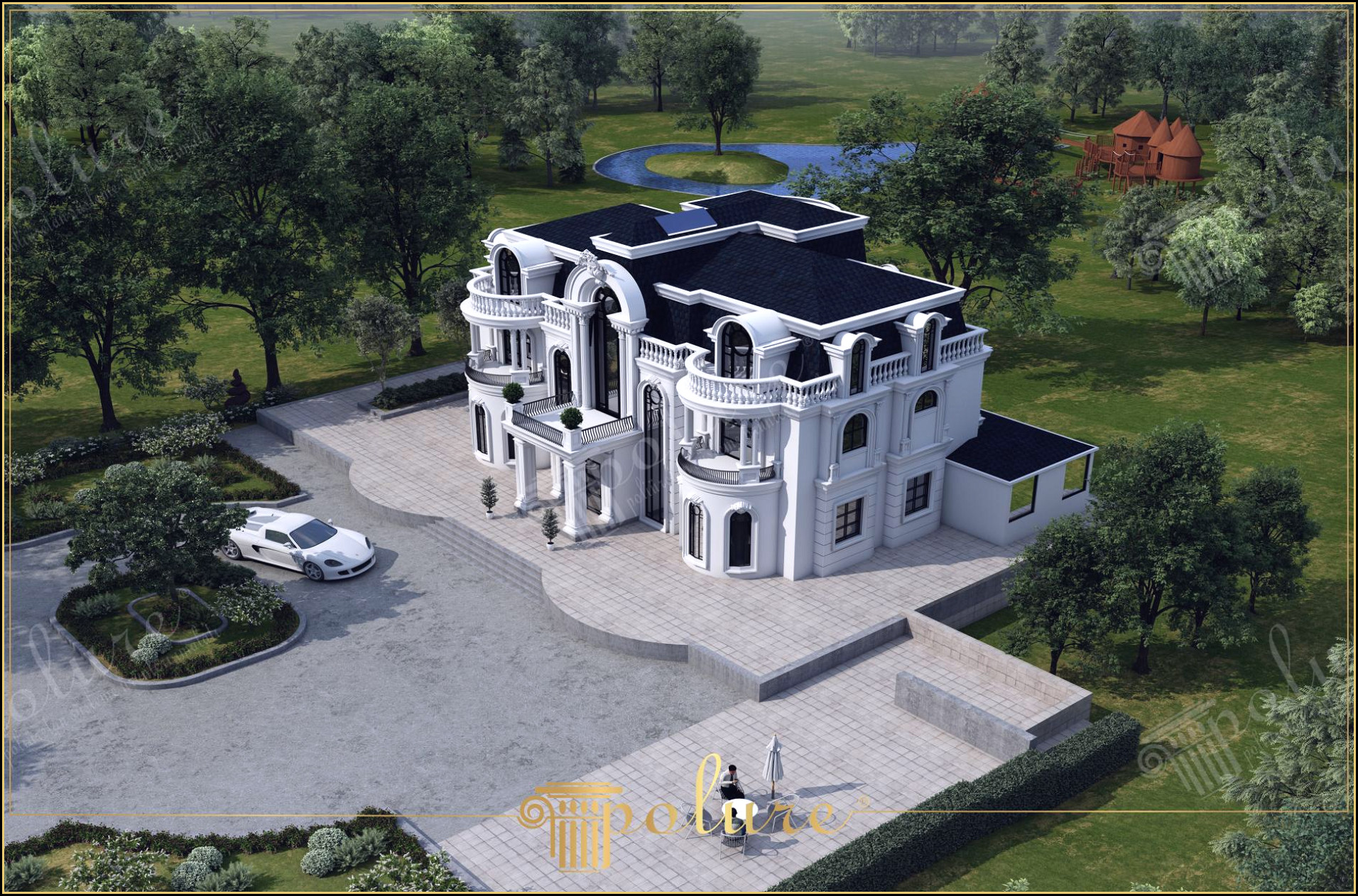
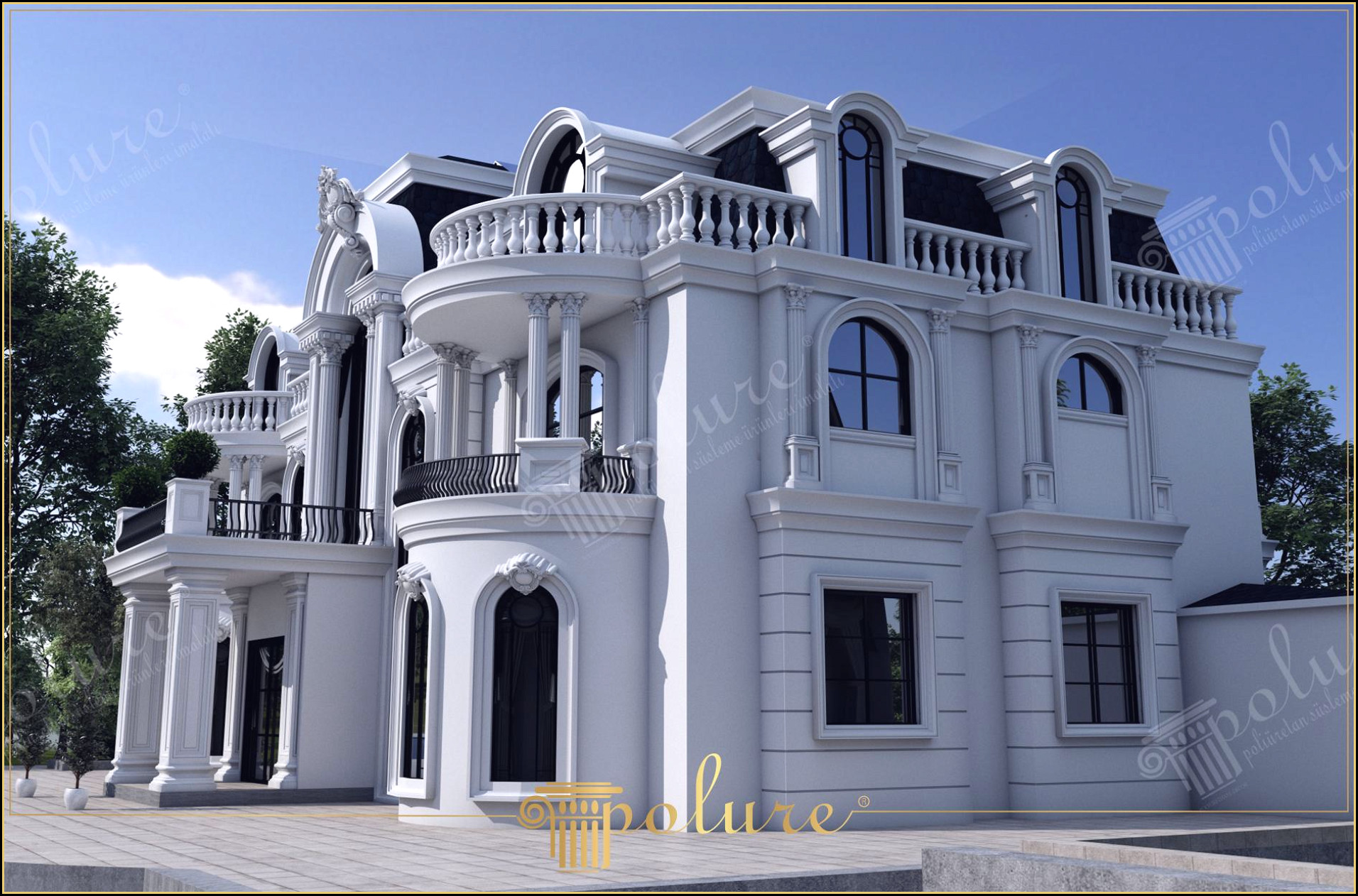

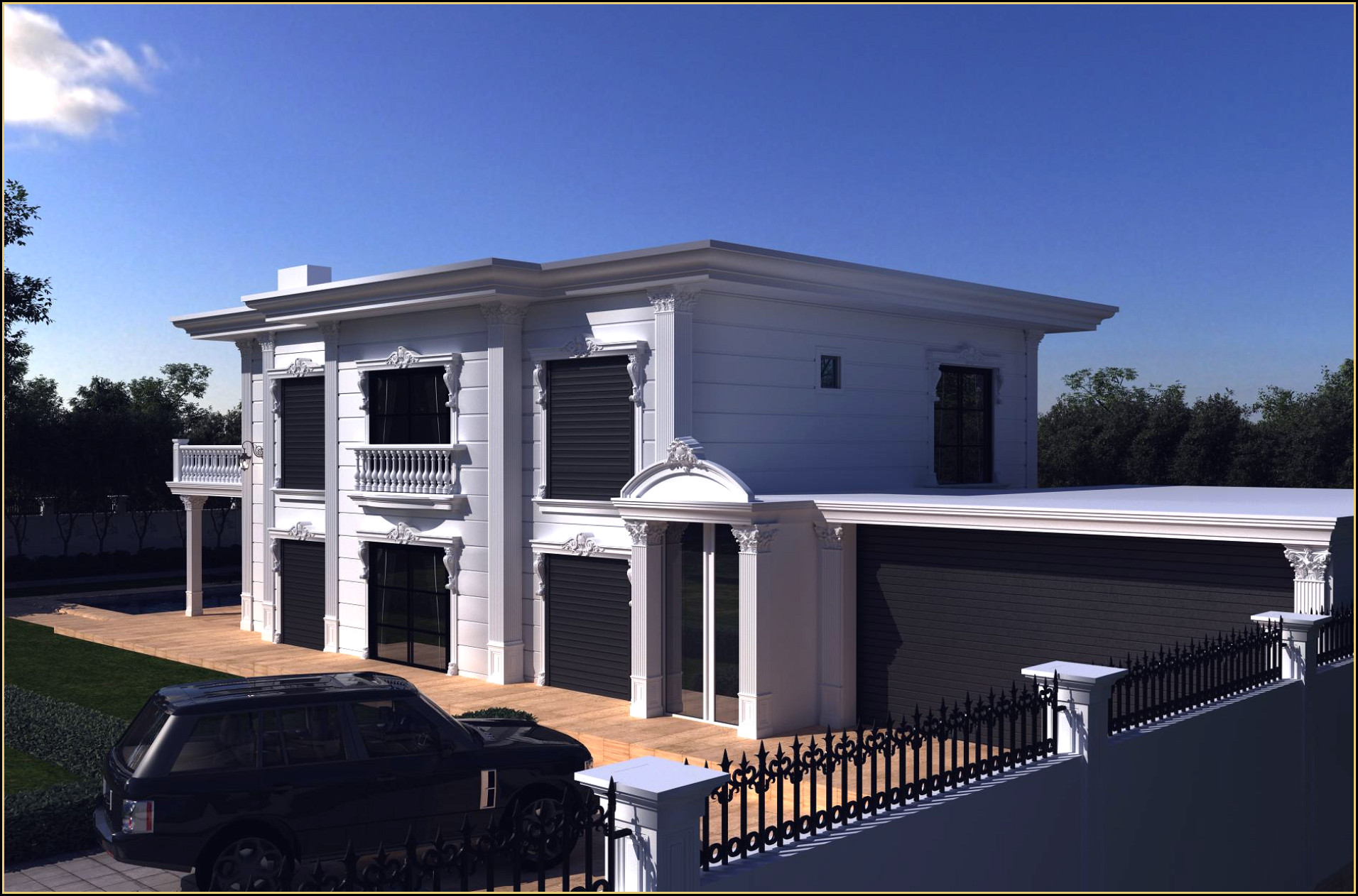
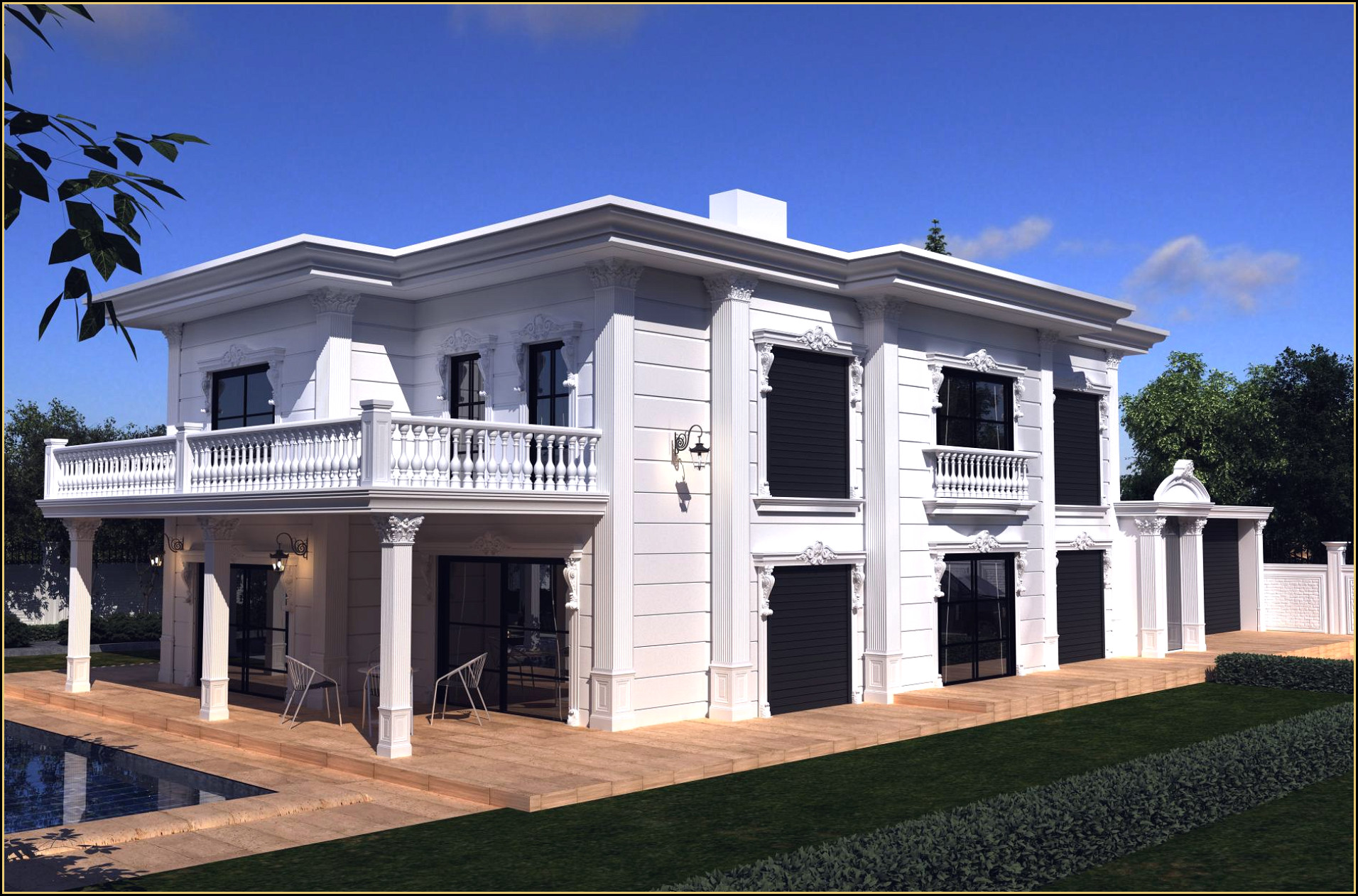
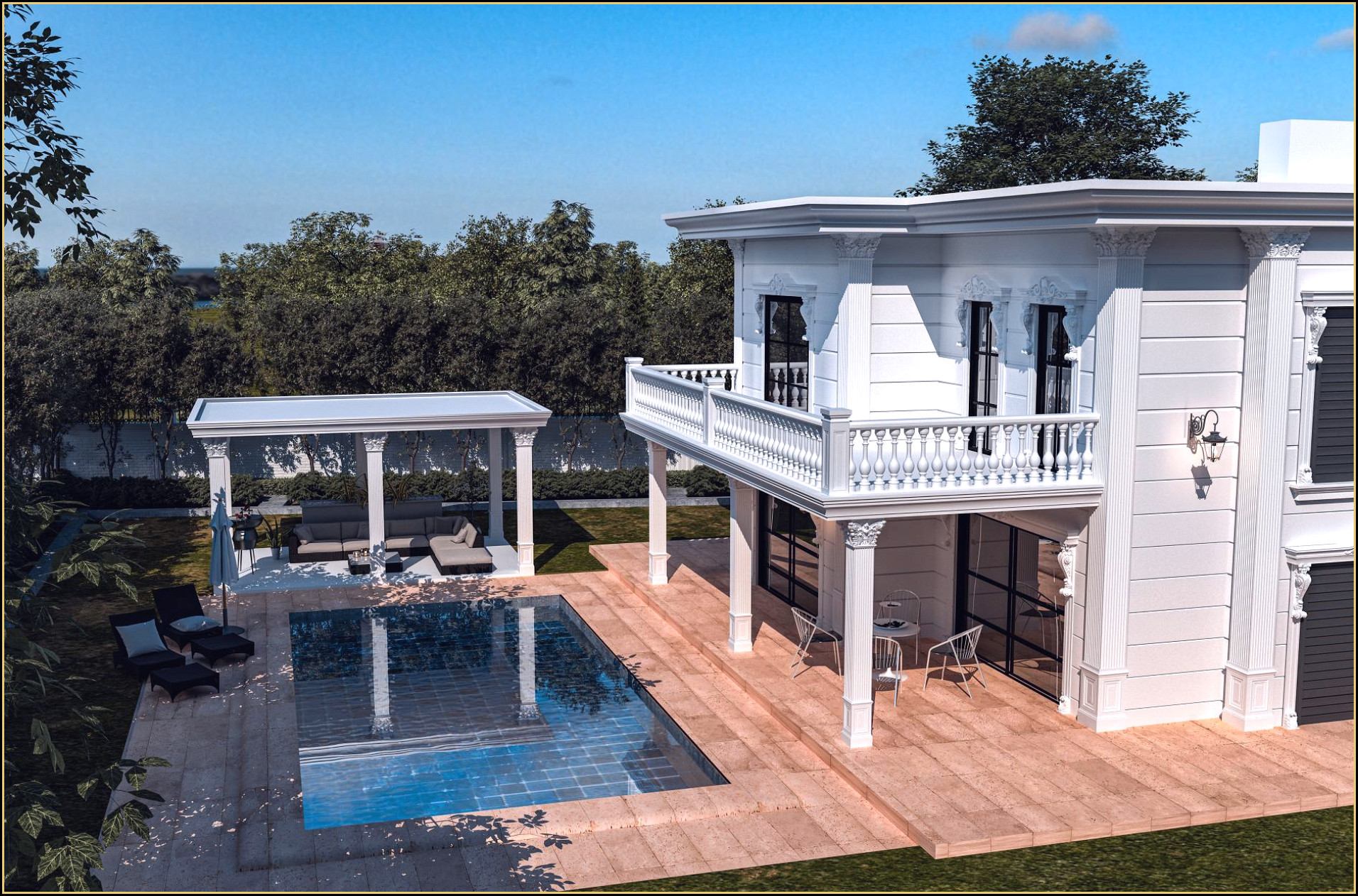





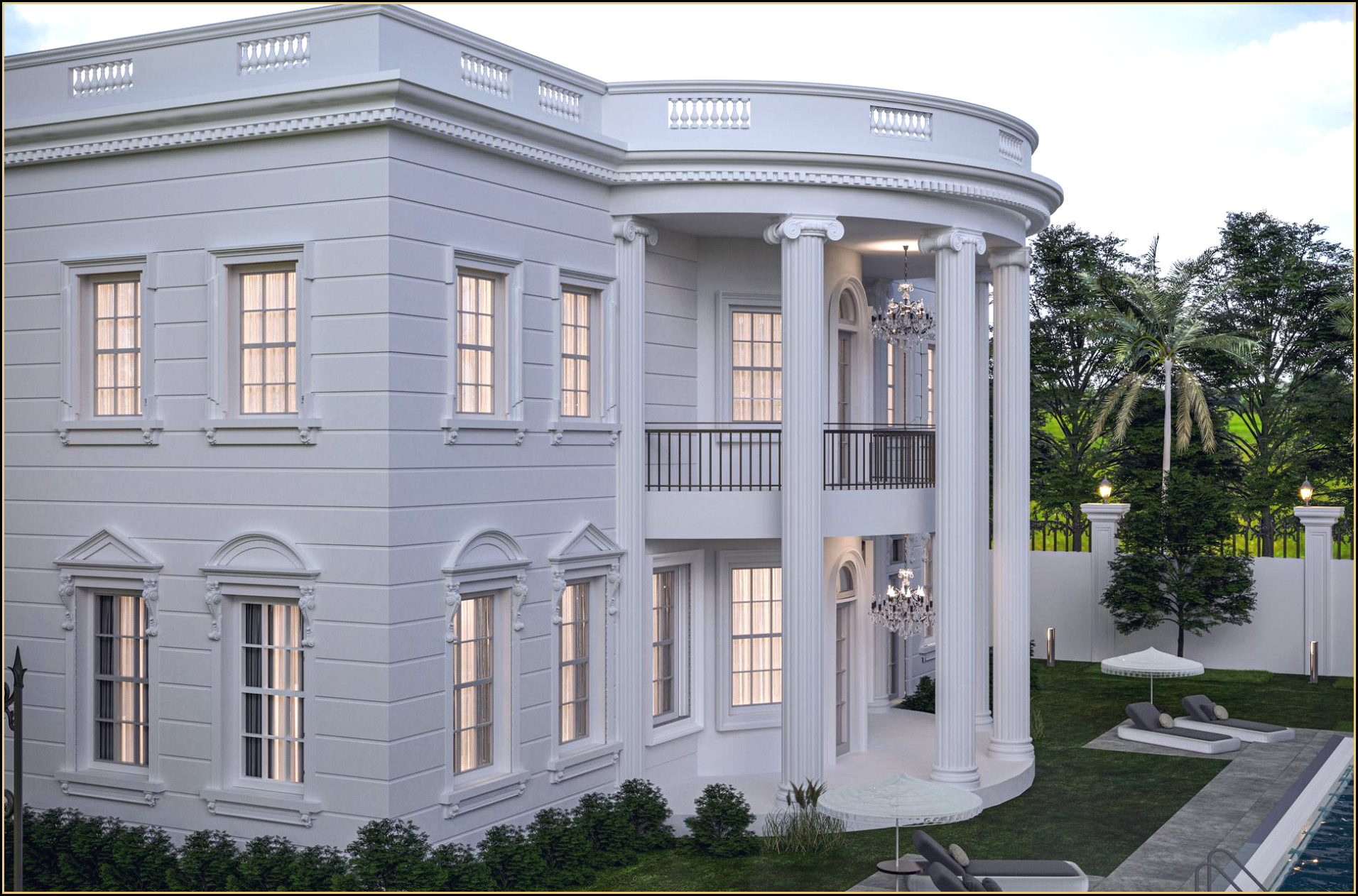
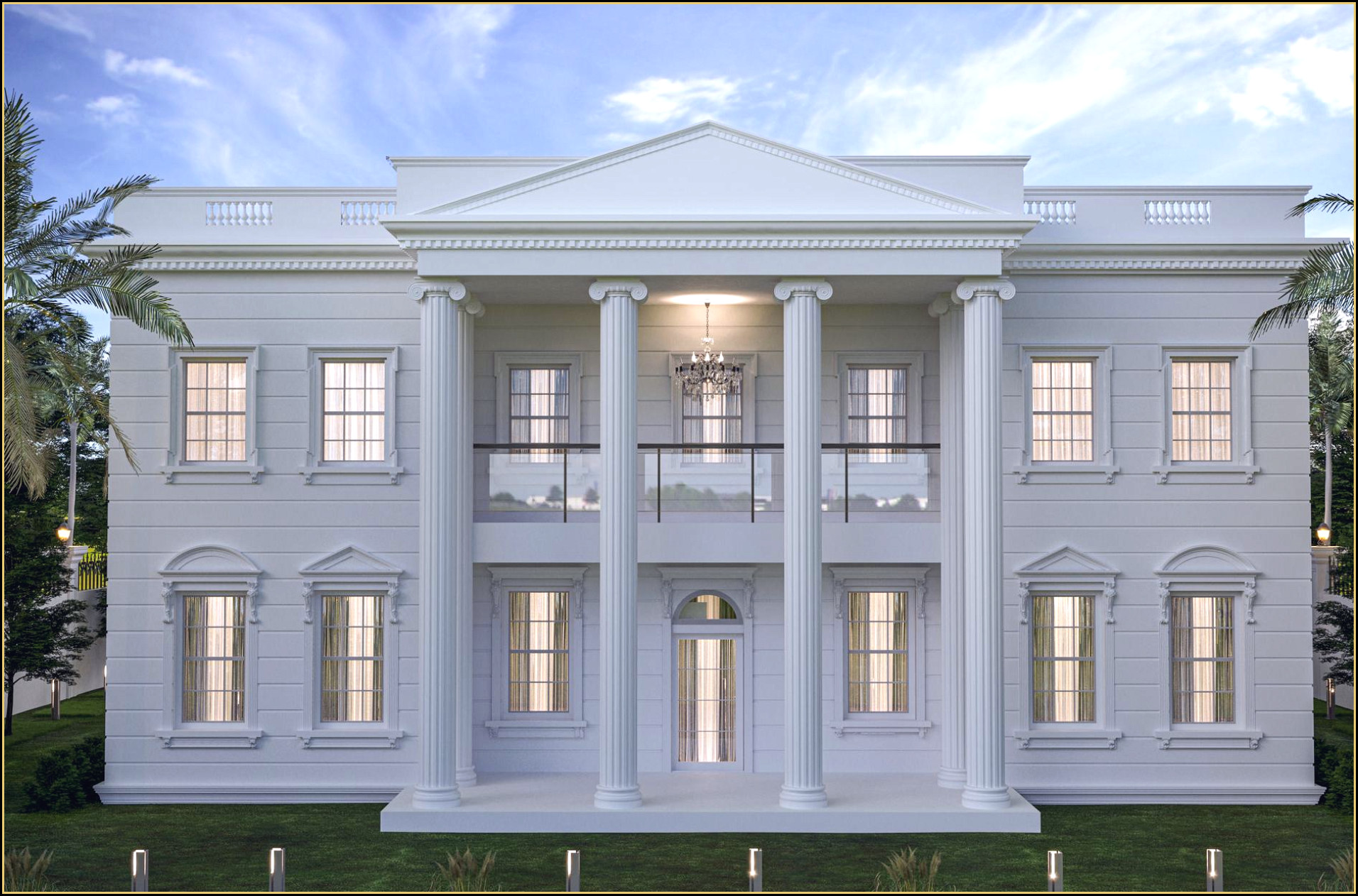
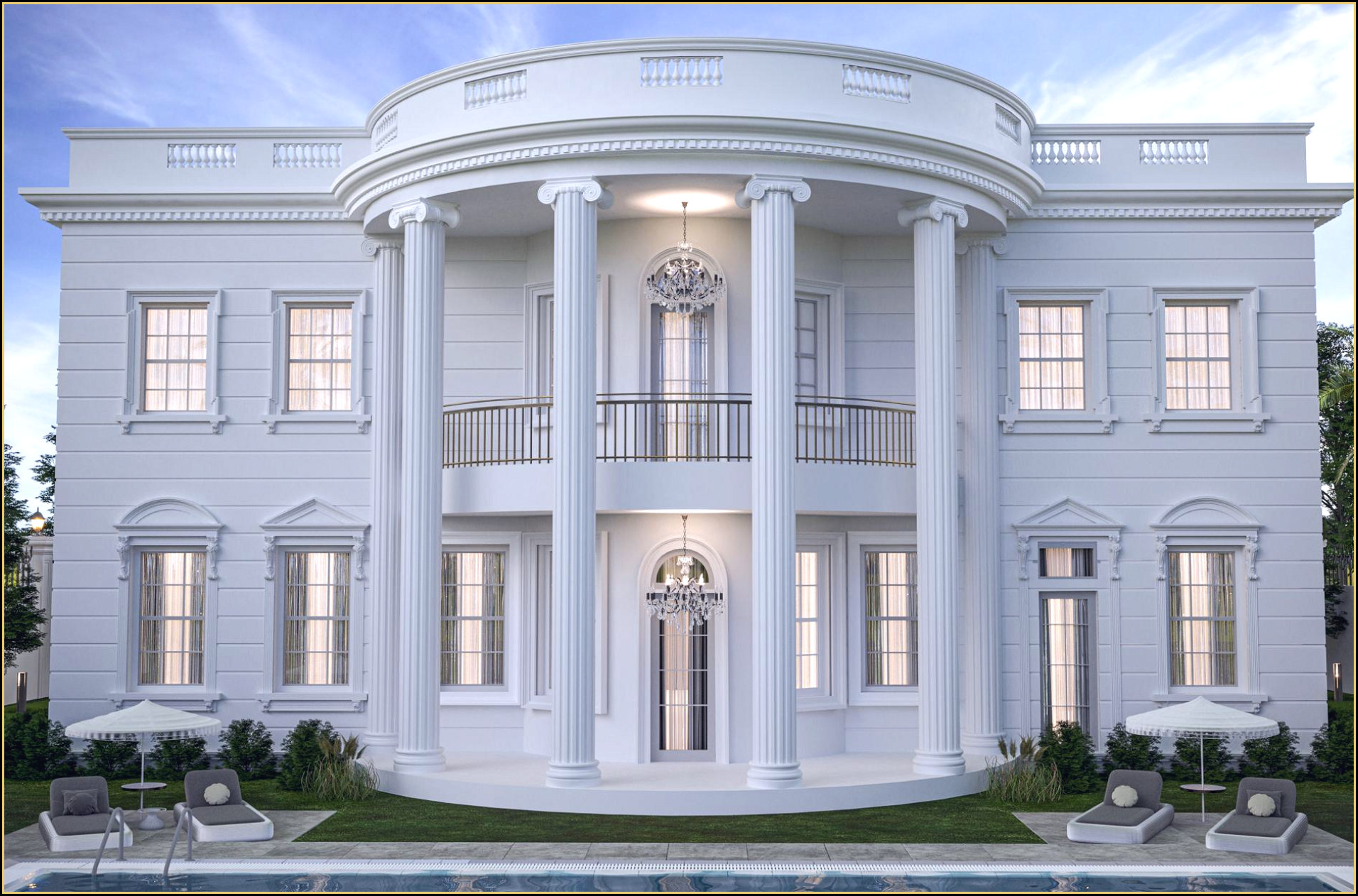
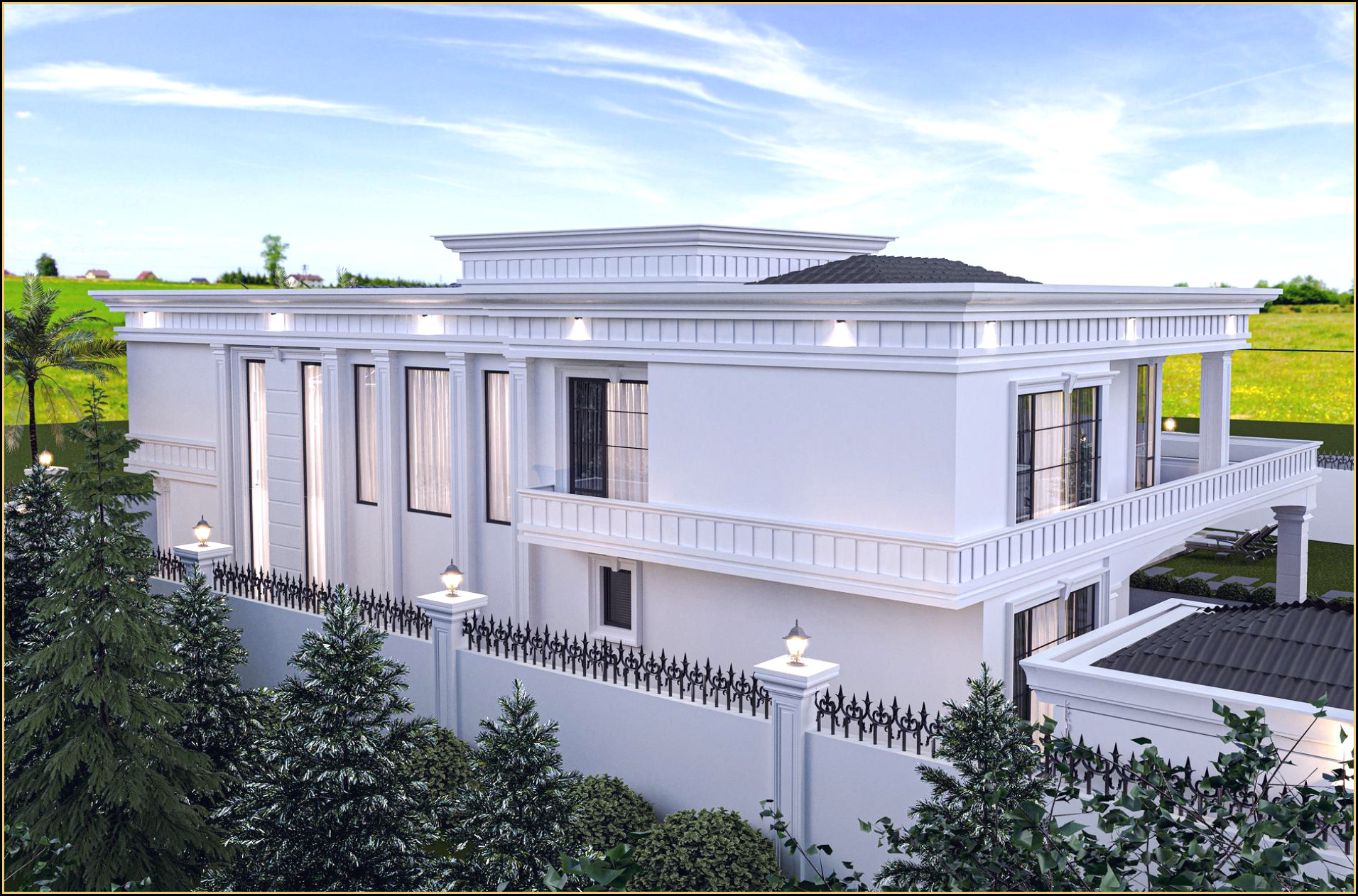



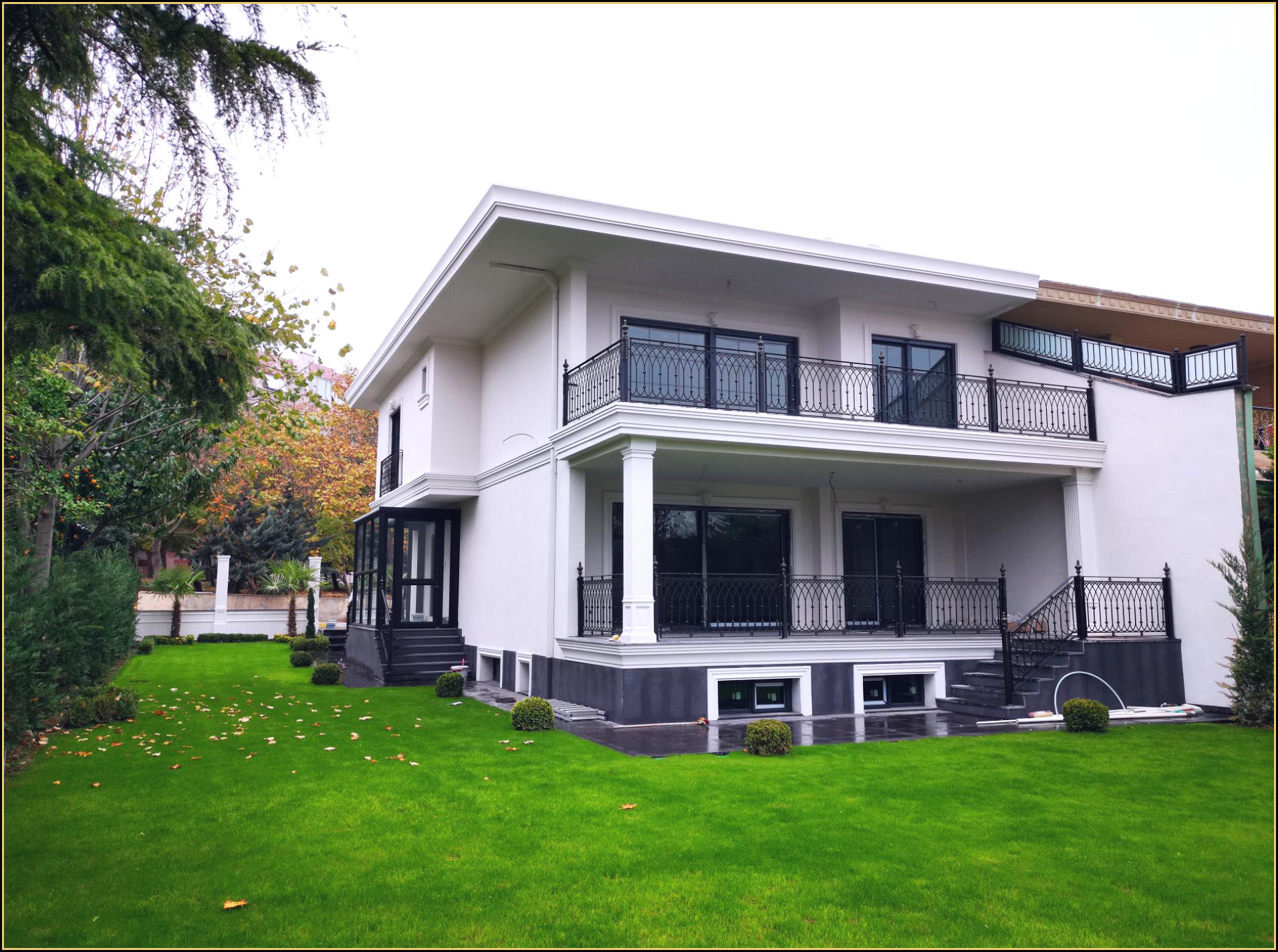
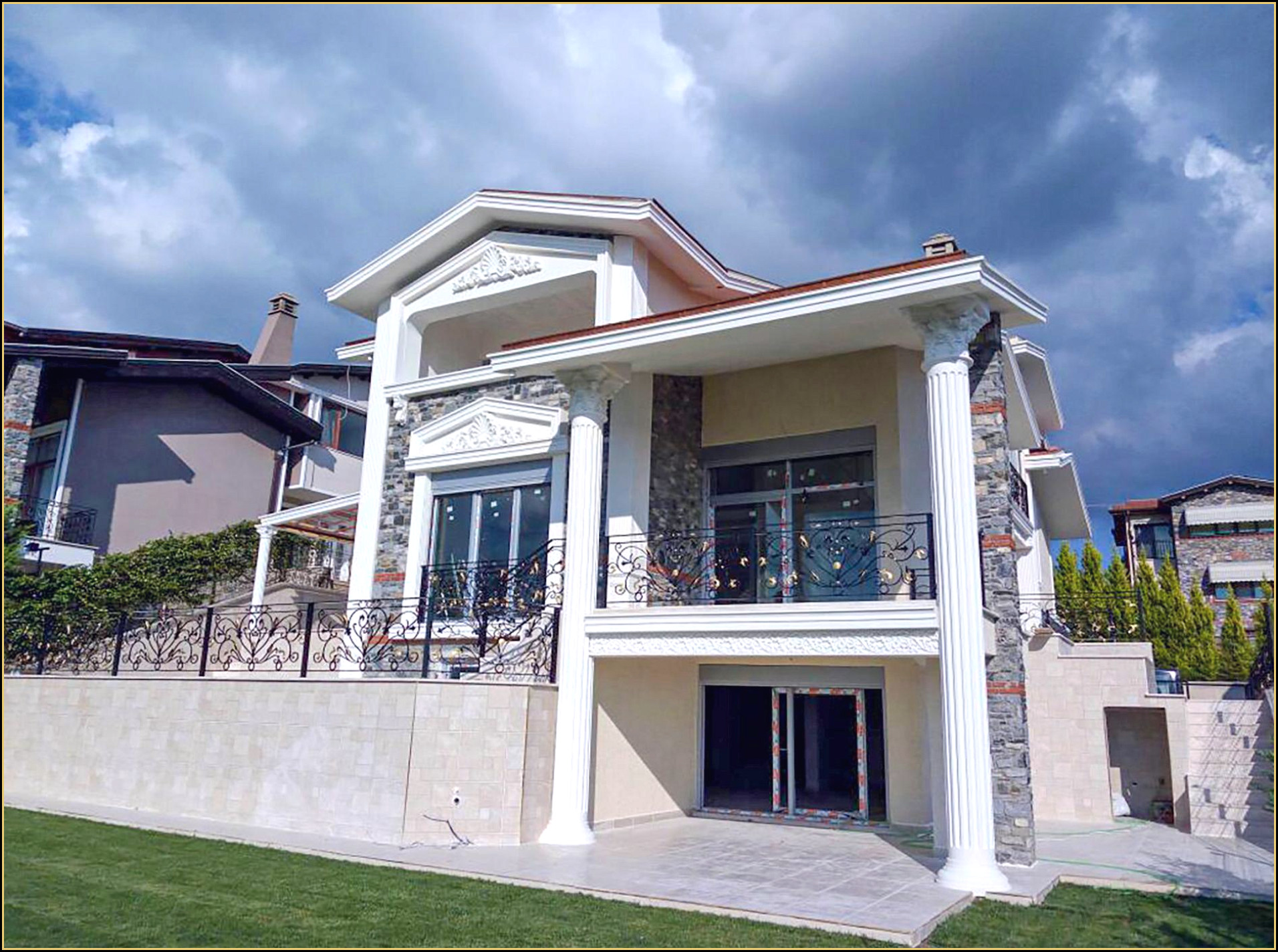
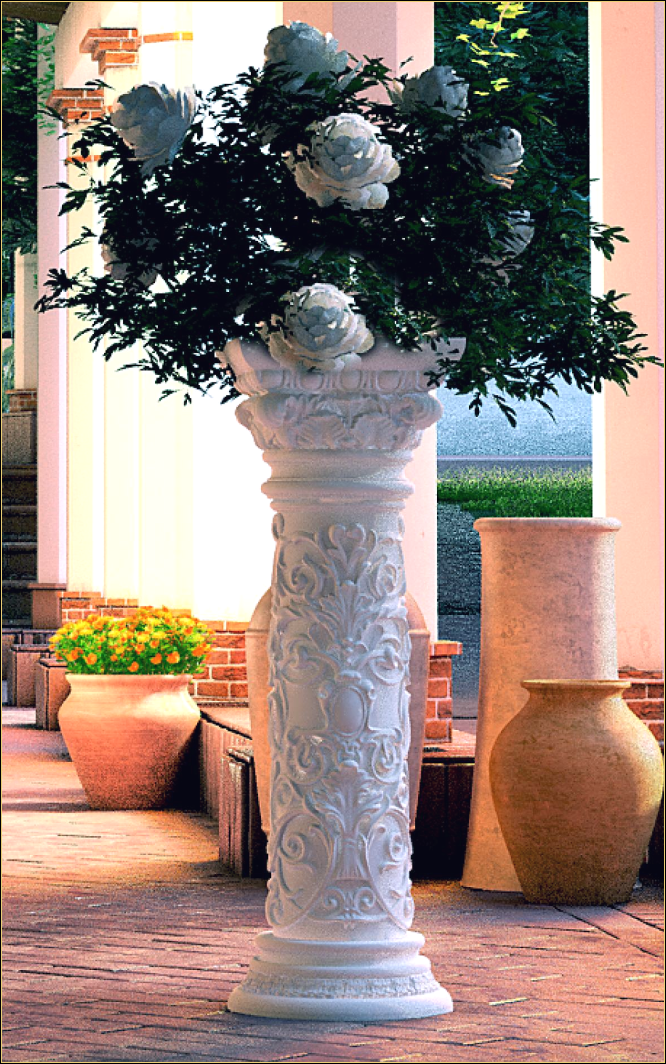

Polyurethane fluted floor models, floor wiper models prices.
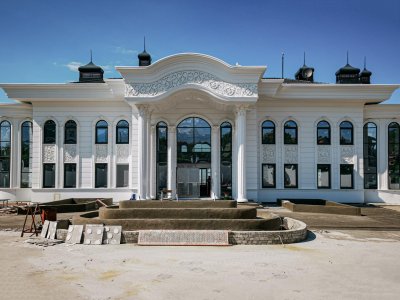
What is polyurethane fluted floor?
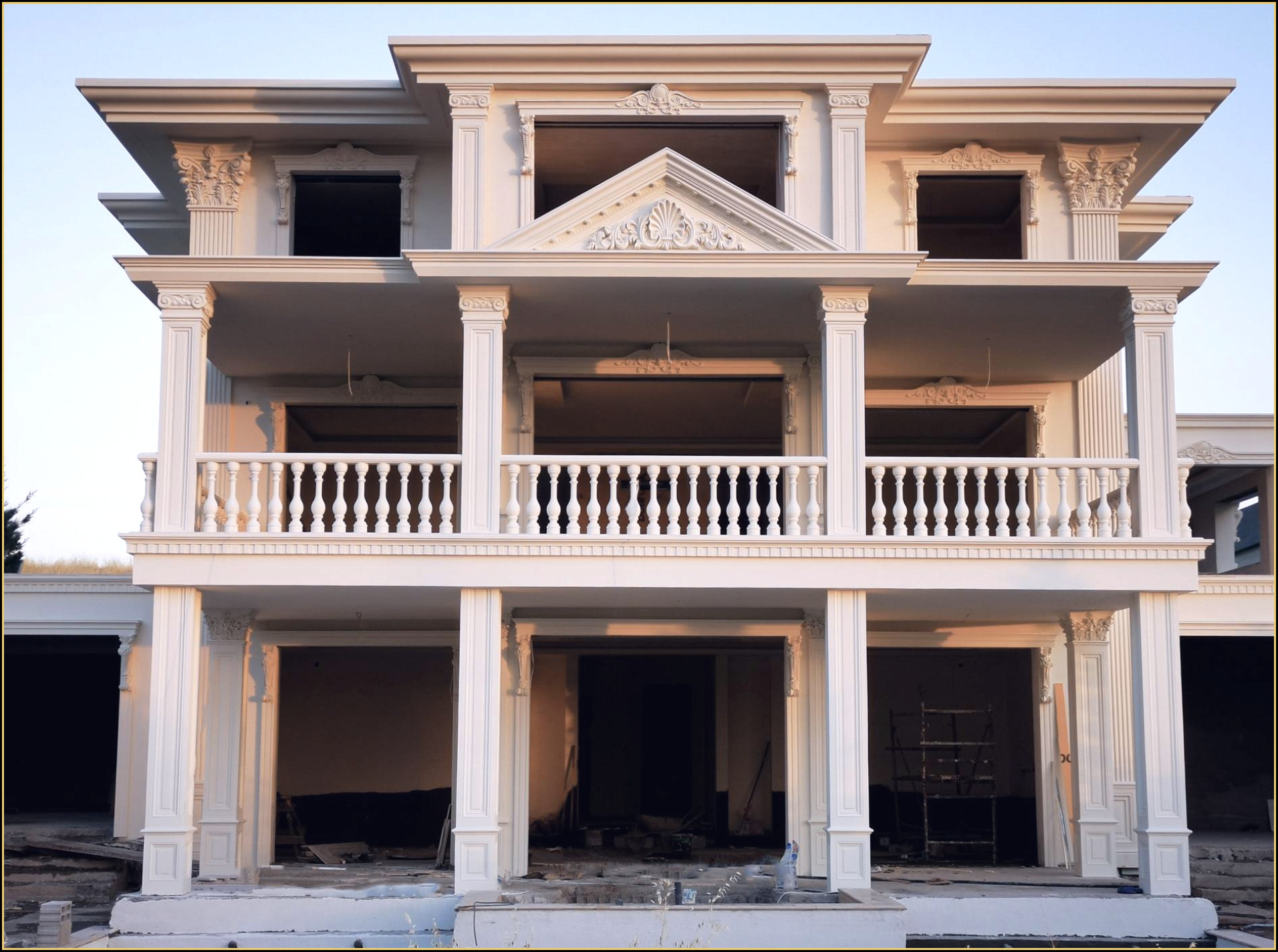
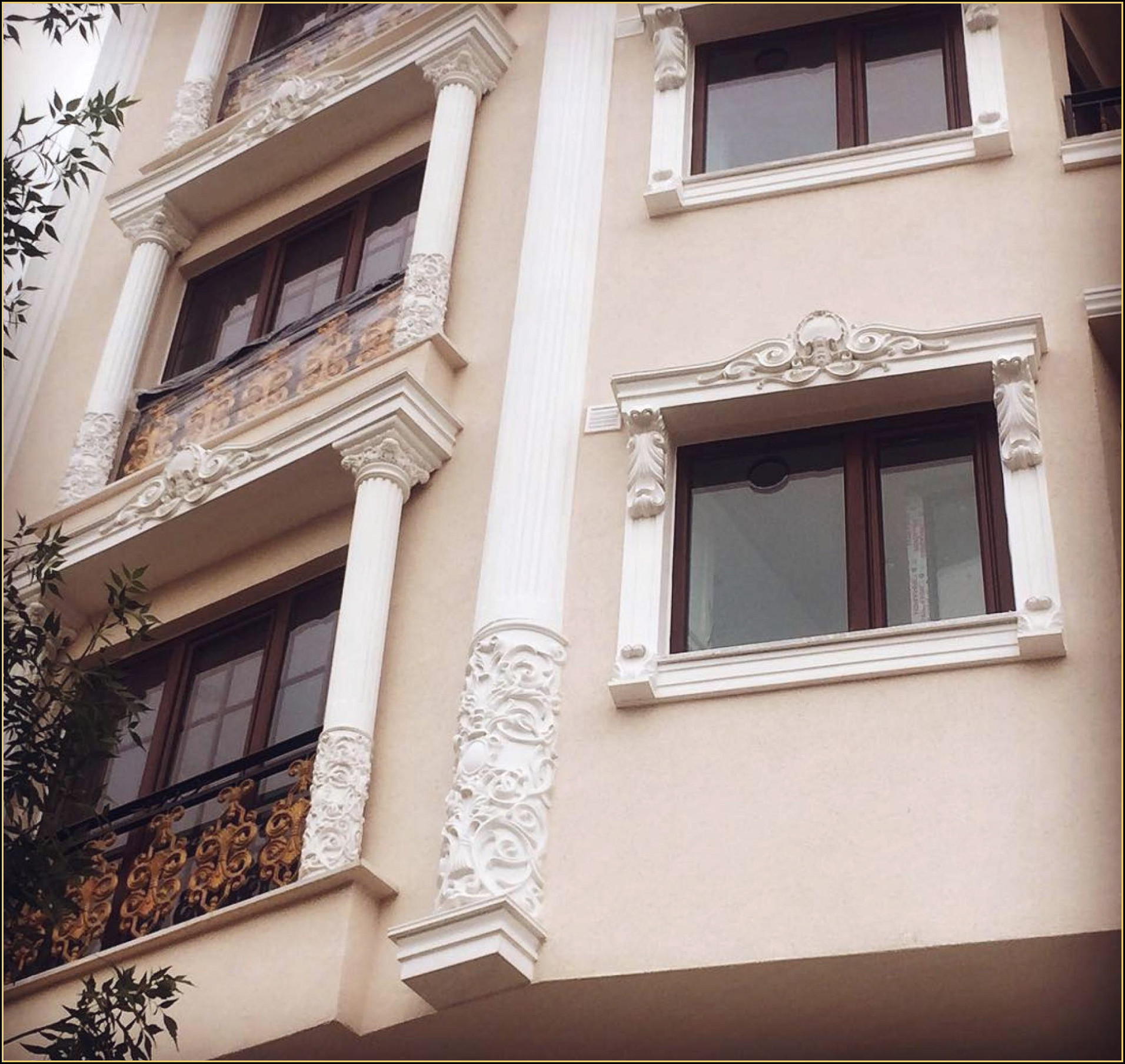
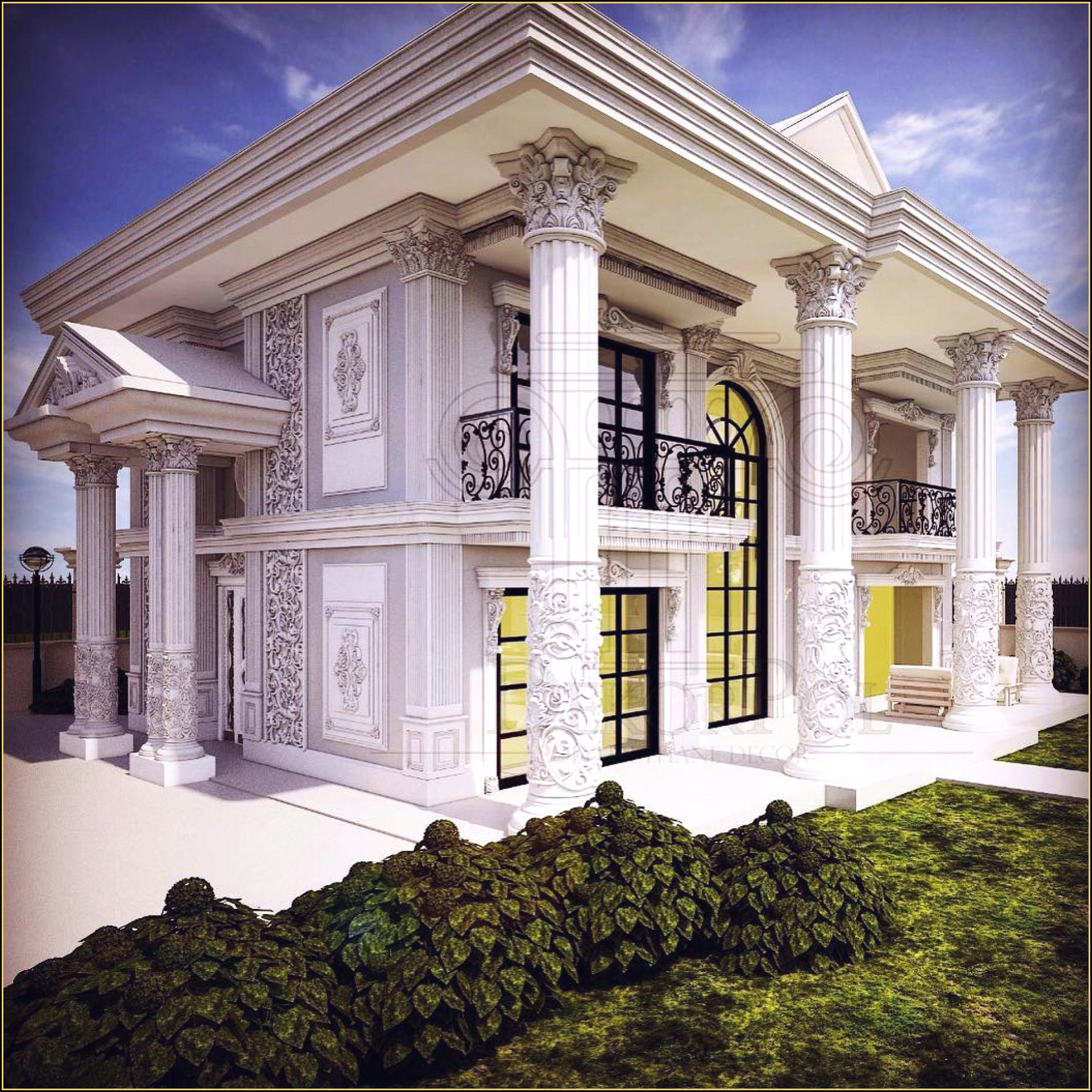
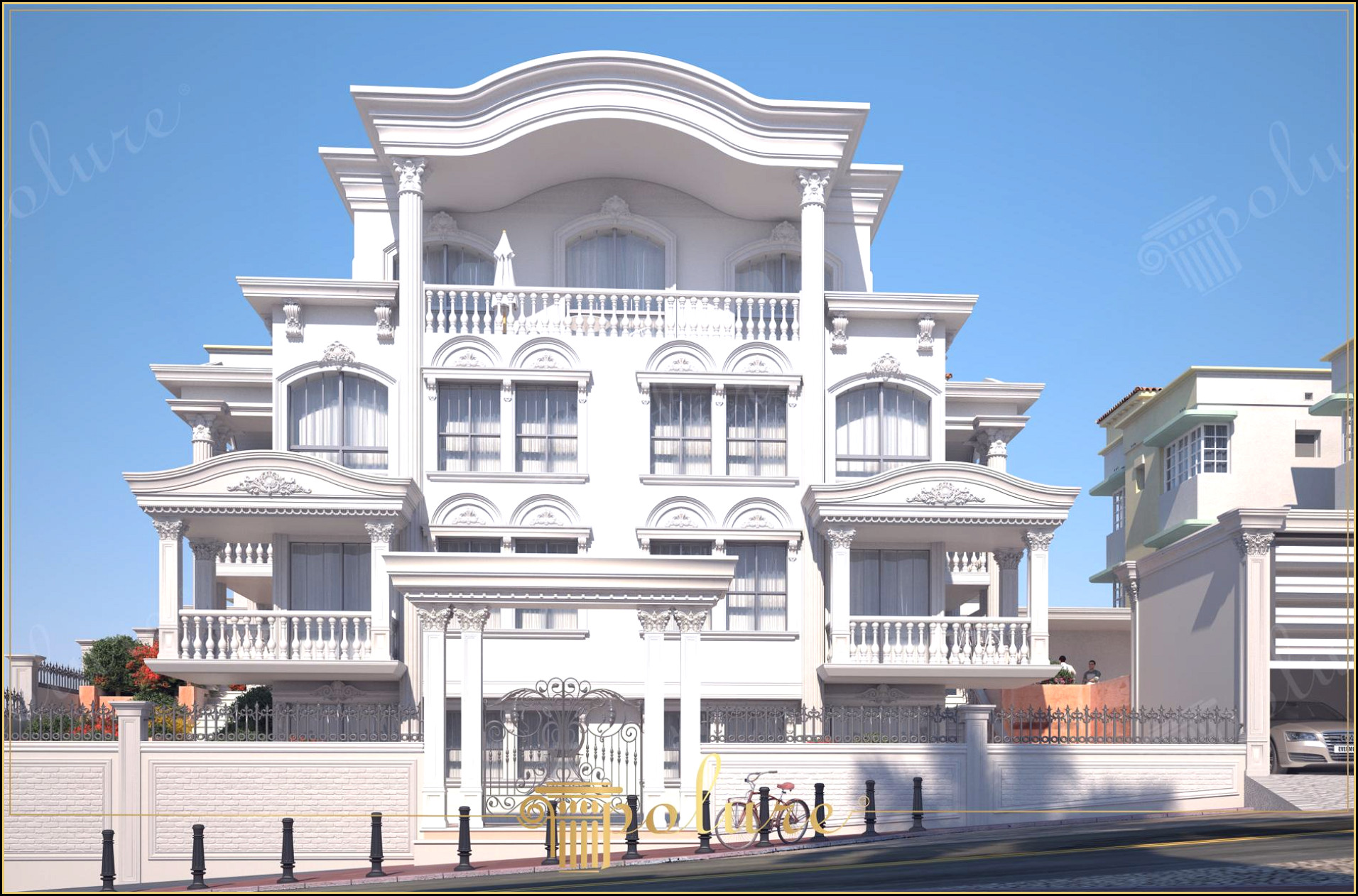
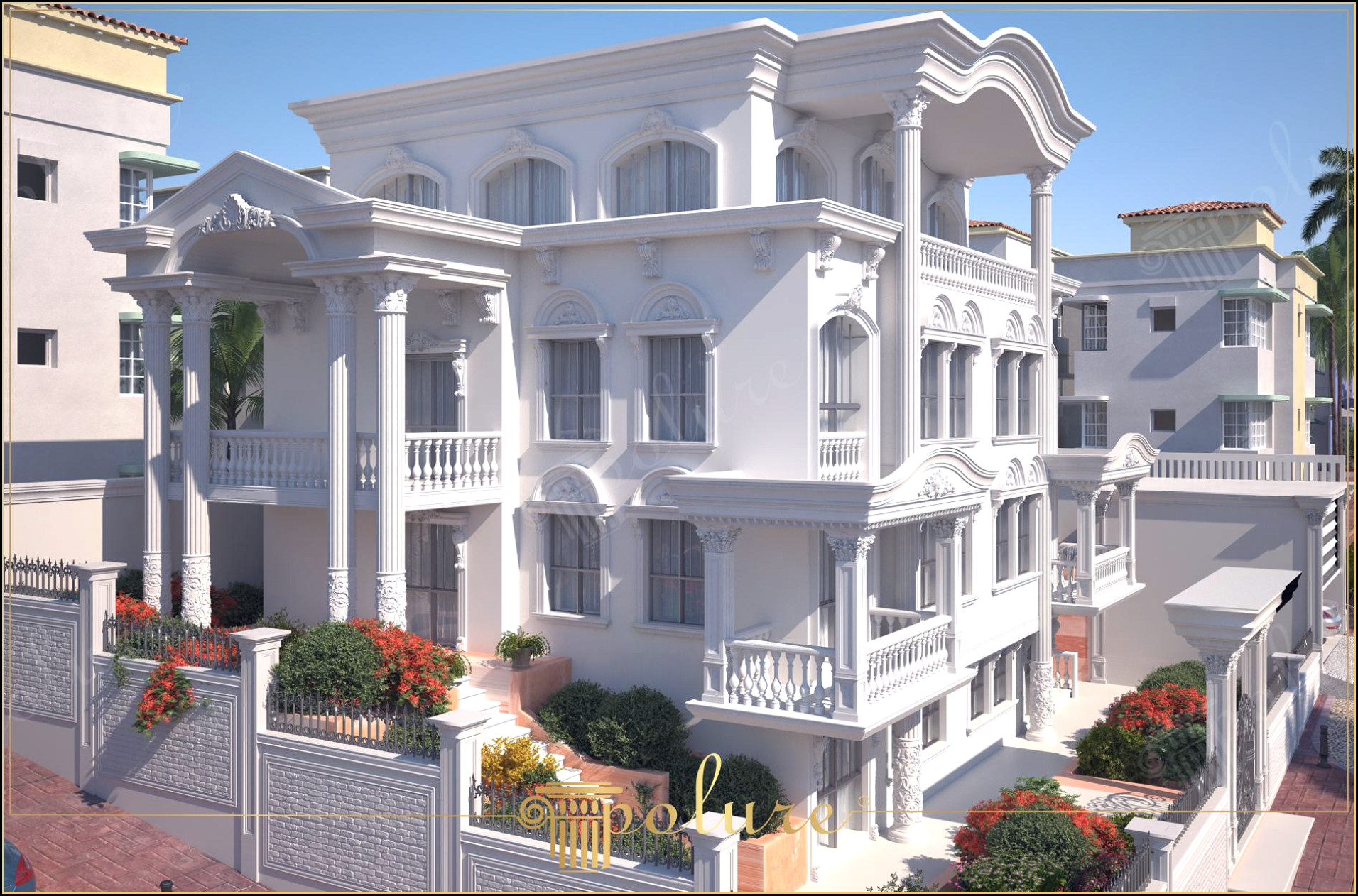
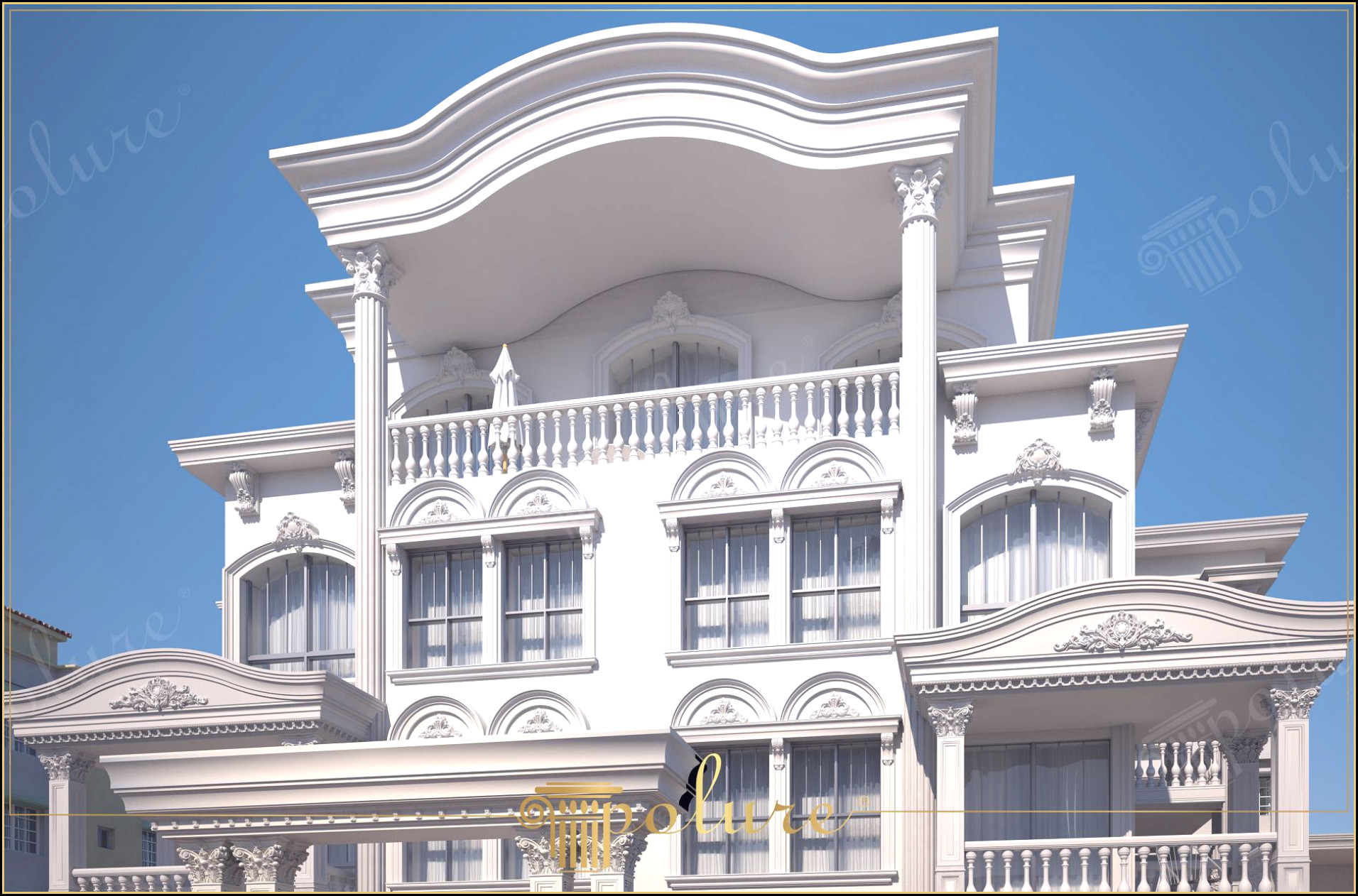
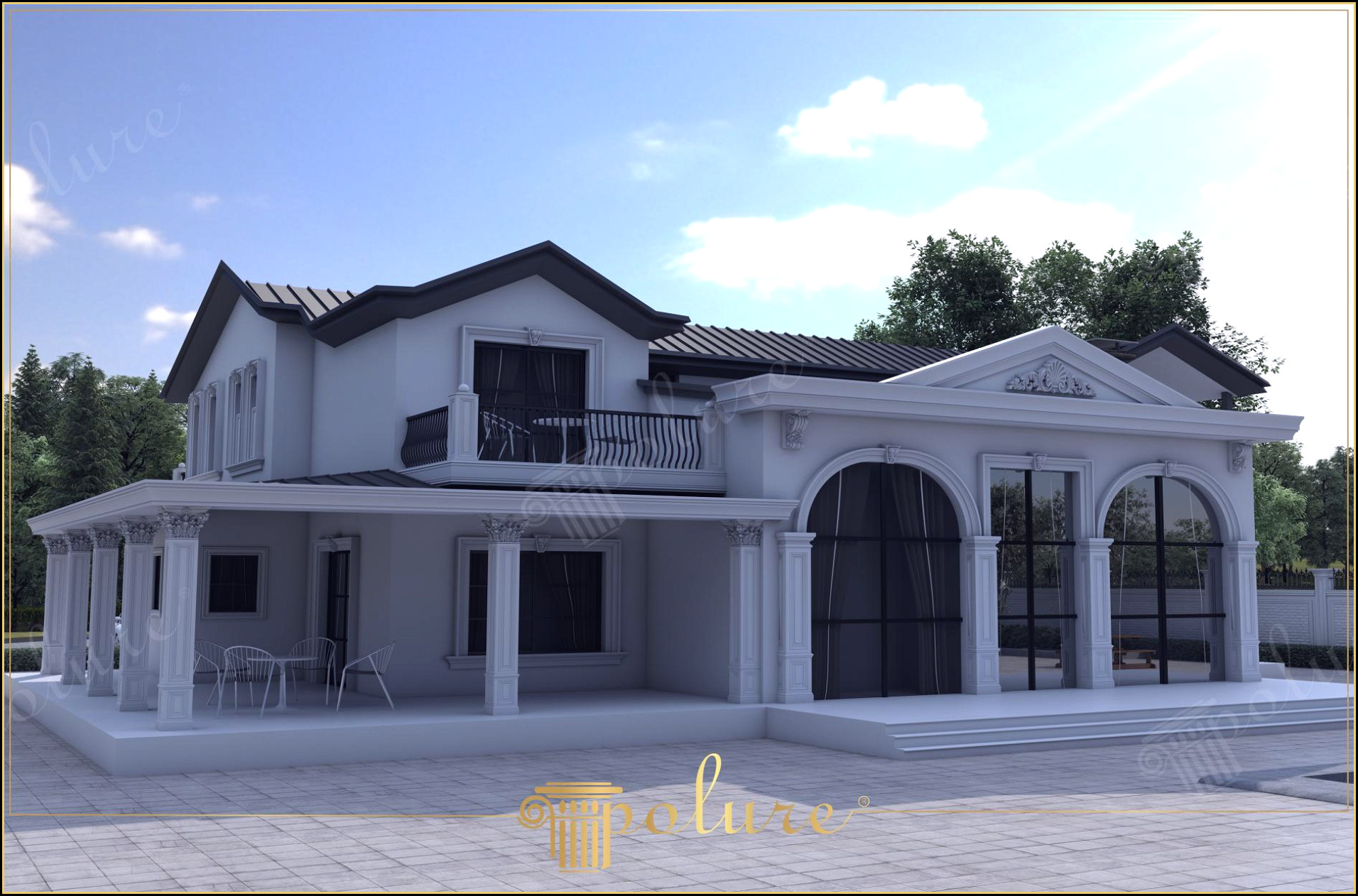
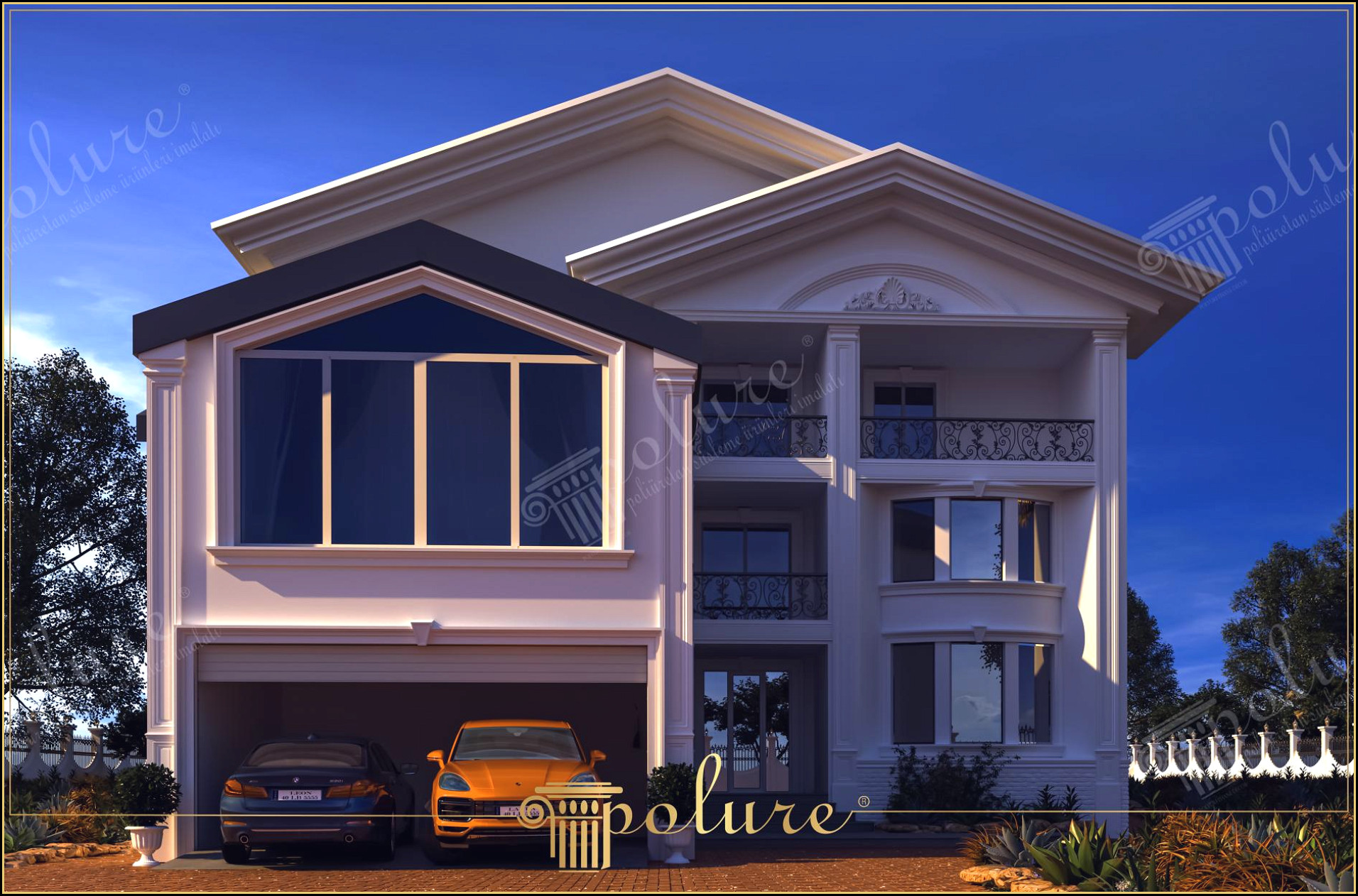
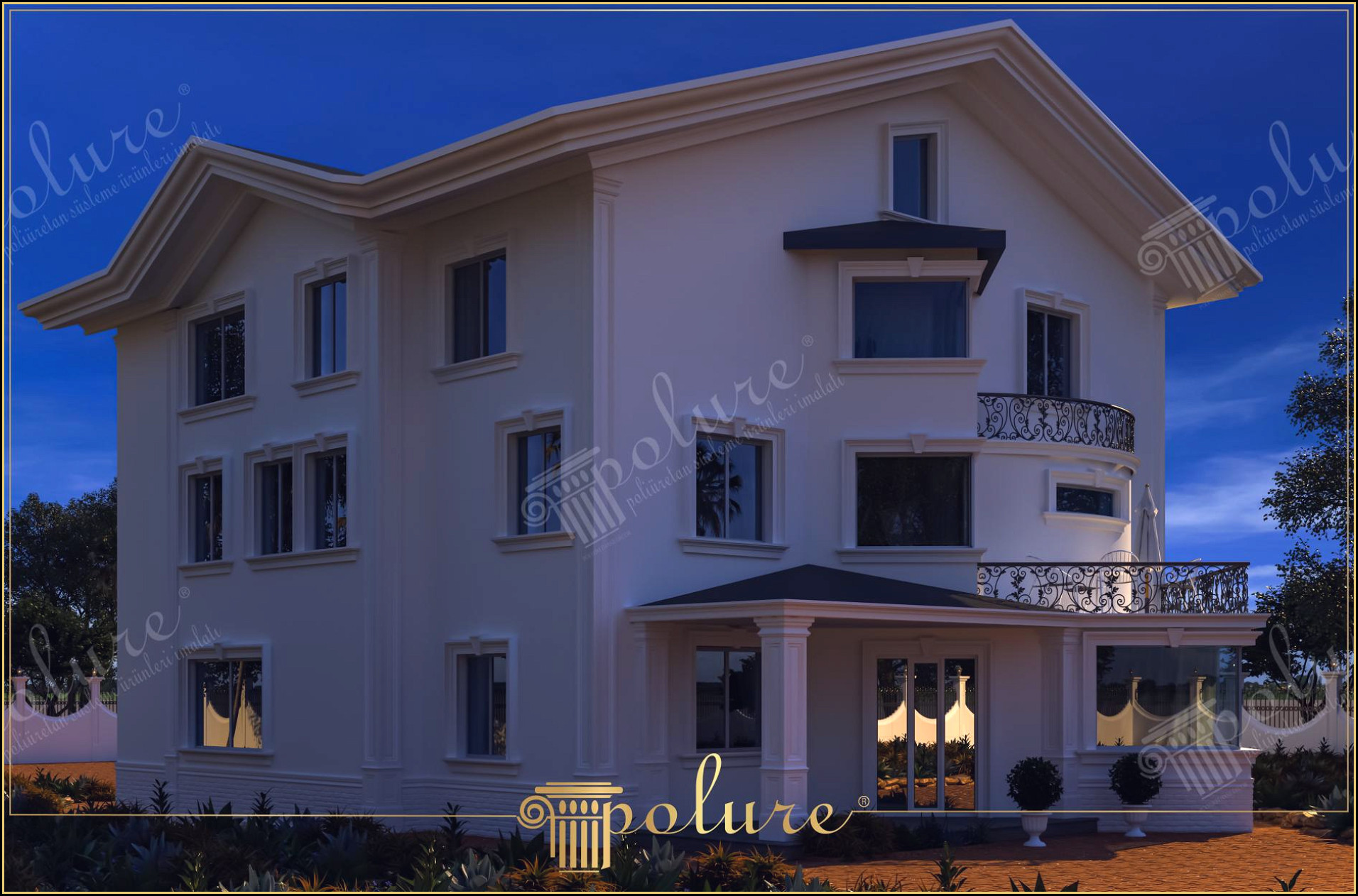
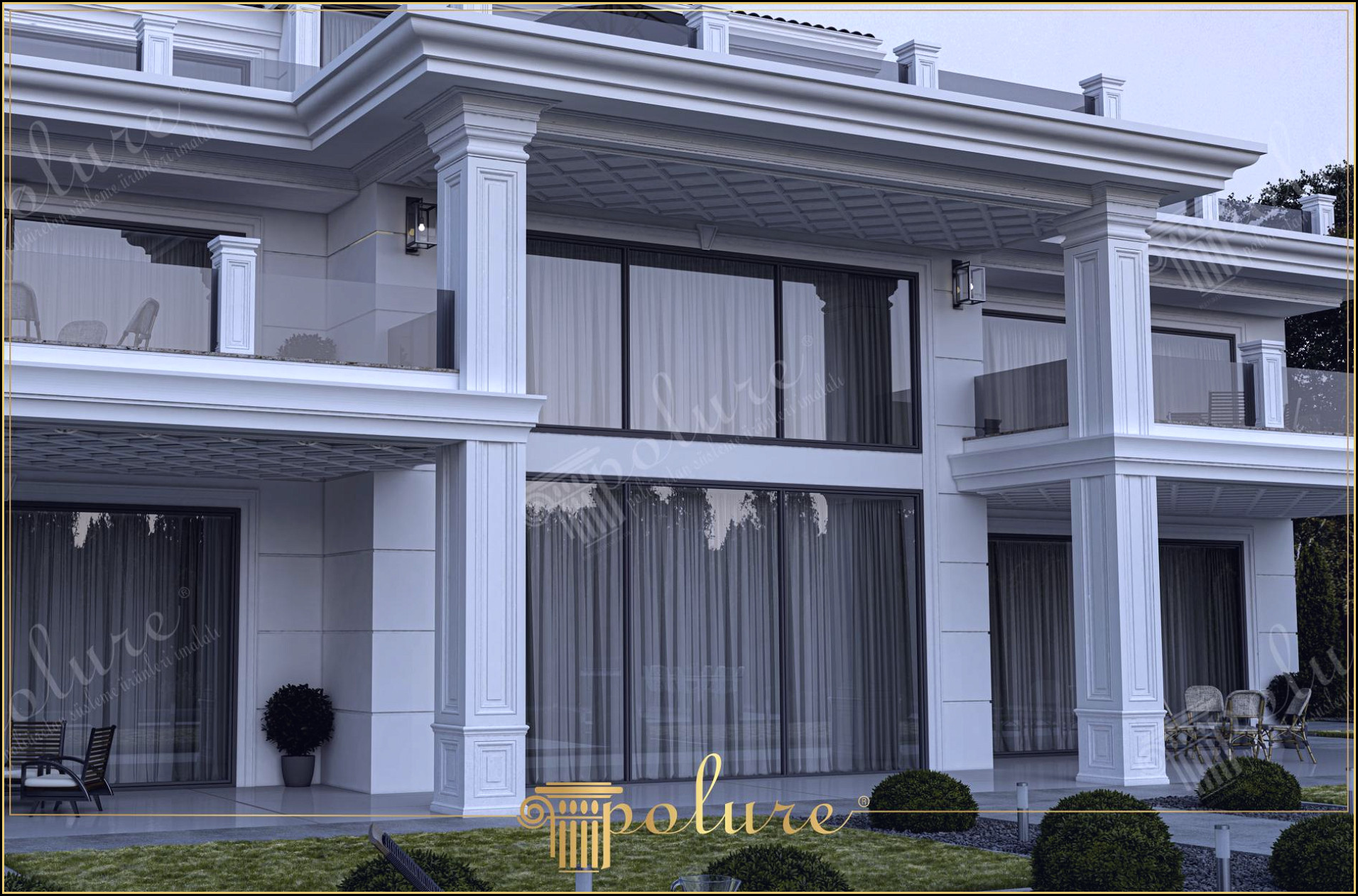
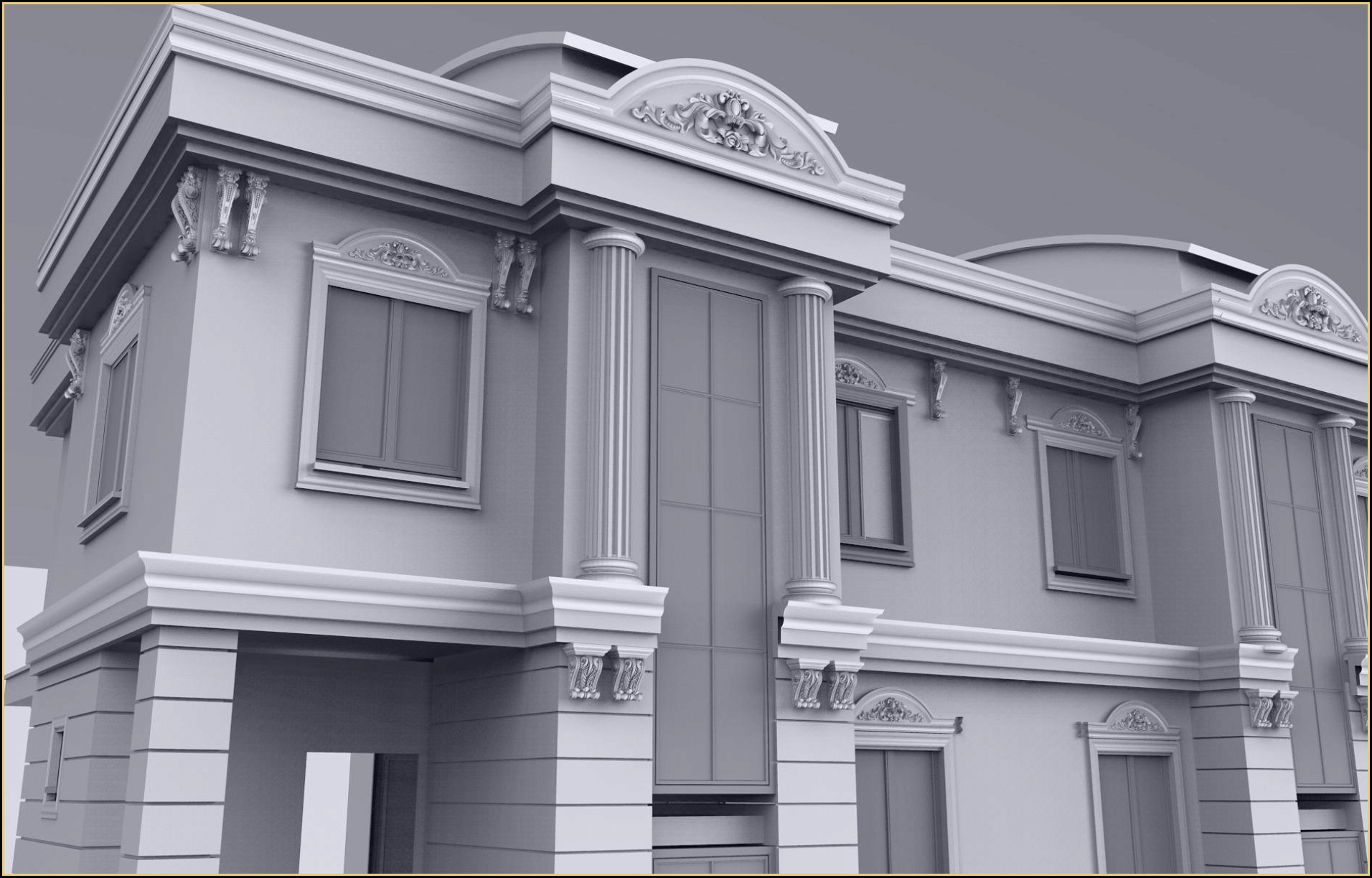
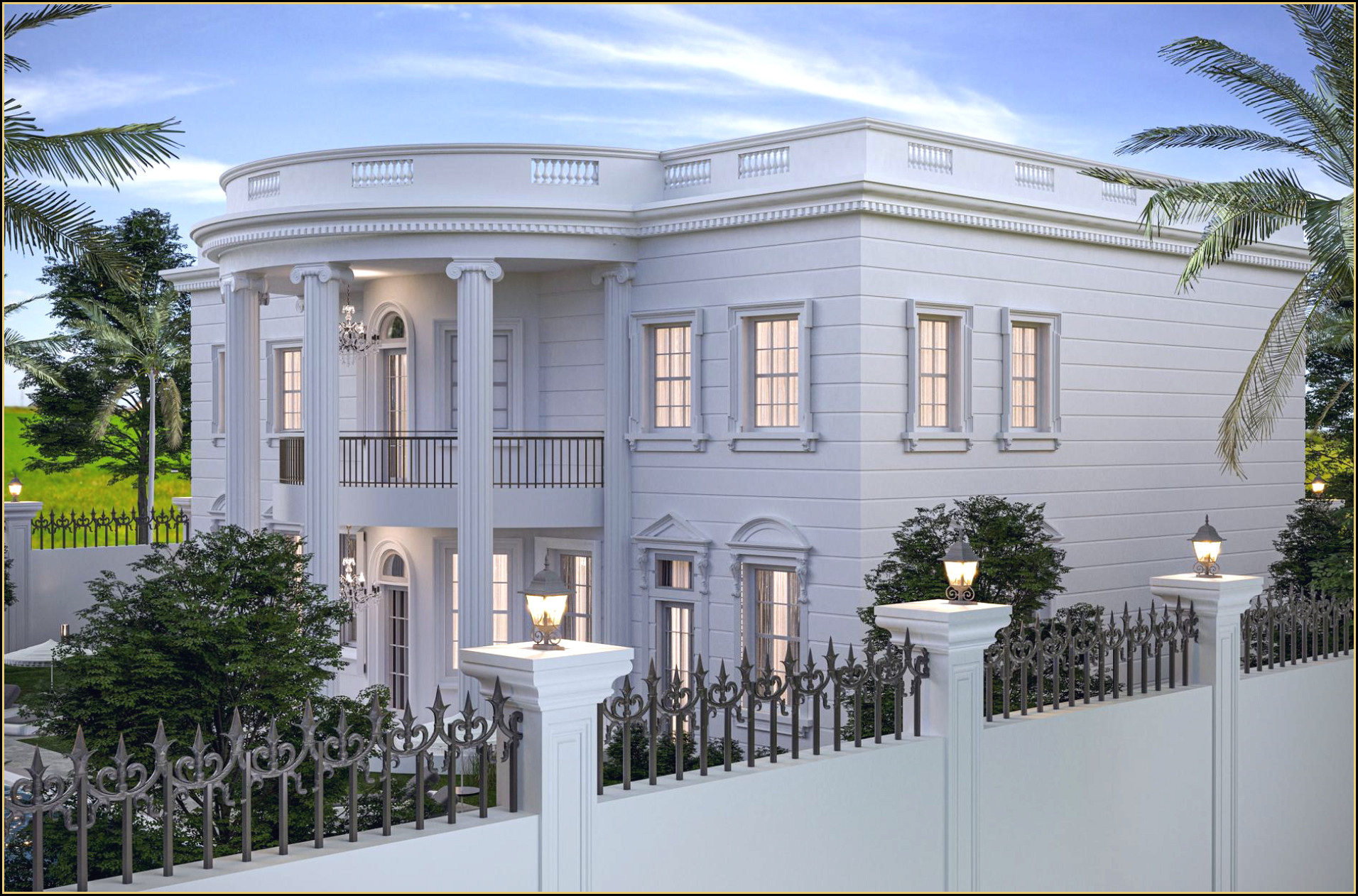
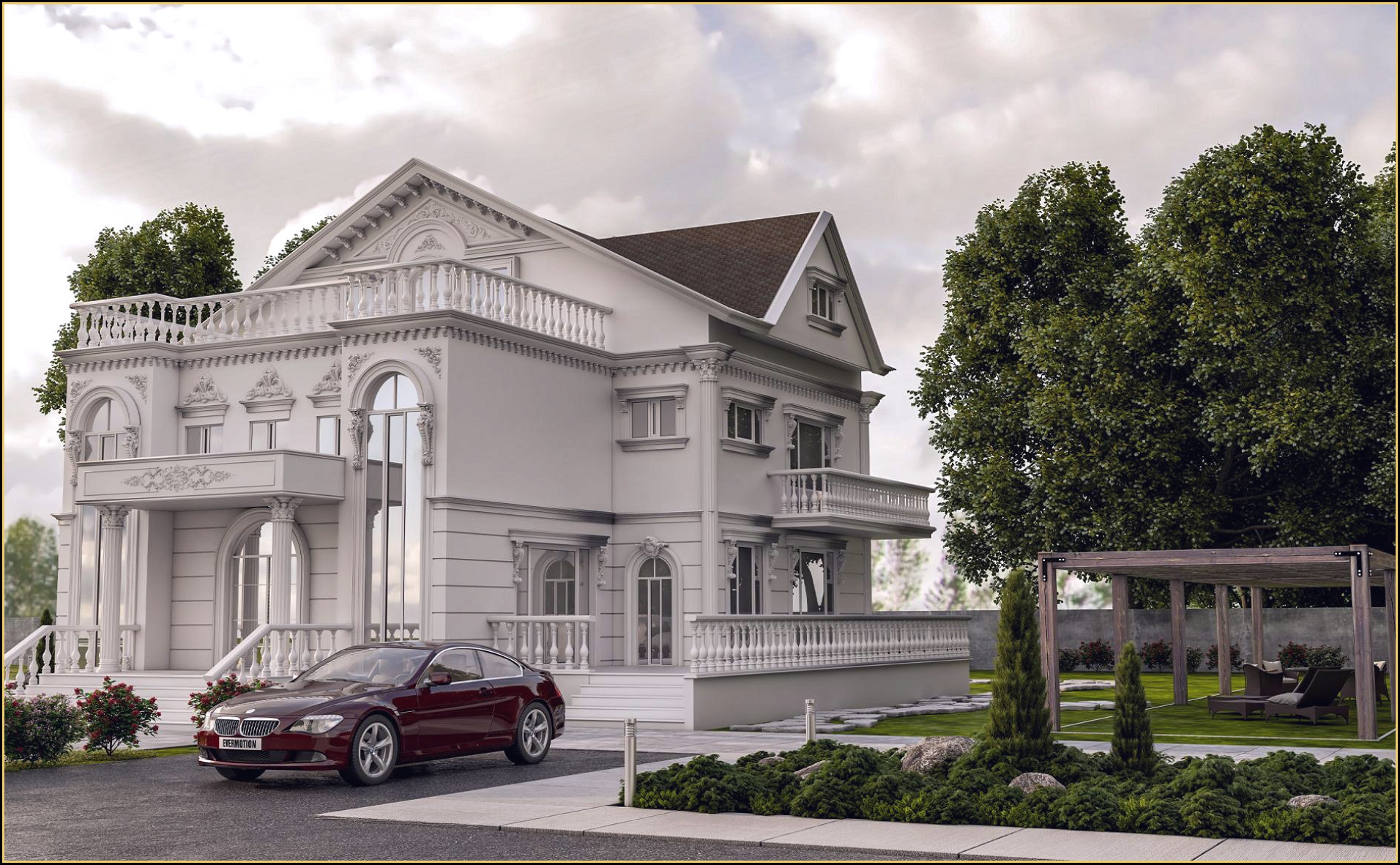
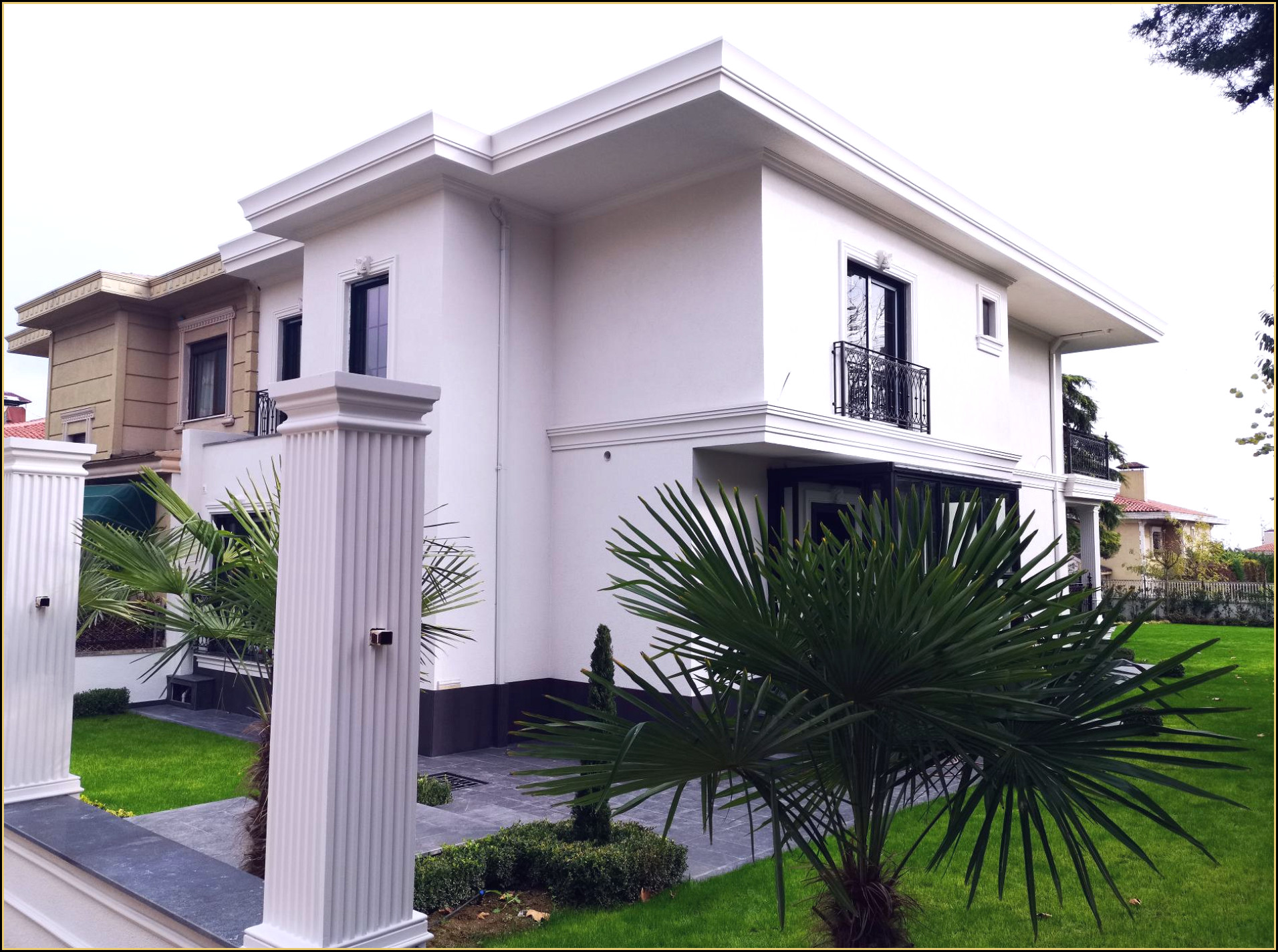
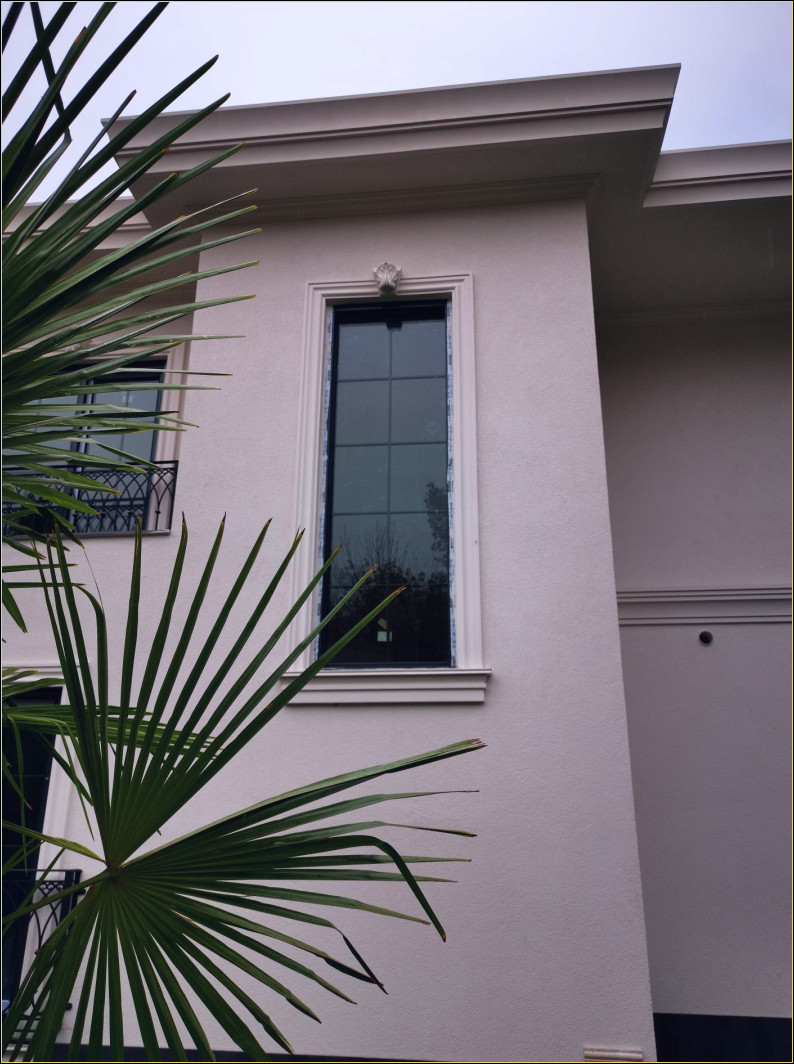
Polyurethane floor moldings are decorative elements in the form of horizontal projections used on the exteriors of buildings to provide an aesthetic appearance and architectural richness. These moldings are designed as belts separating different floors of the building and often serve insulation purposes.
The use of polyurethane material ensures that the floor moldings are lightweight, which facilitates installation and does not create additional load on the building. At the same time, polyurethane is preferred in exterior applications because it is a long-lasting material that is resistant to external weather conditions.
In addition to their decorative features that add elegance to buildings, polyurethane floor moldings can also contribute to energy saving by providing insulation. With these features, polyurethane floor moldings offer both an aesthetic appearance and a practical solution.
Polyurethane fluted floor:
Polyurethane floor moldings are decorative elements designed in different models and sizes and used to add an aesthetic touch to the exterior of buildings. These moldings are preferred to highlight different floors of buildings, add architectural details and generally provide aesthetic richness. Here are the details about the different models of polyurethane floor moldings:
1. Polyurethane floor wiper Flat Models: Simple and flat designs provide a minimalist and modern look. These models are generally preferred in accordance with contemporary architectural styles.
2. Polyurethane floor moulding. Inclined Models: Buildings can be given a dynamic appearance by using inclined designs in floor mouldings. These models add dynamism to the architecture and provide visual diversity.
3. Traditional Patterned Polyurethane Floor Molding Models: Floor moldings containing detailed patterns in accordance with traditional architectural styles are ideal for those who want to achieve a classic and stylish look.
4. Polyurethane floor molding Modern Geometric Models: Floor moldings designed with geometric shapes adapt to modern and contemporary designs. Different geometric patterns can be obtained with shapes such as triangles, squares and rectangles.
5. Polyurethane floor wipe Extra Decorated Models: Models with added floral patterns, reliefs or special details give buildings a unique character and provide an eye-catching appearance.
6. Color and Tone Diversity: Although polyurethane floor moldings are generally produced in white or neutral colors, they can also be available in different color and tone options upon request. This provides design flexibility.
7. Polyurethane floor wiper Customizable Models: Some manufacturers offer the possibility of making special designs according to customers' needs. This gives building owners the chance to create a unique and personal design.
Where is polyurethane fluted floor used?
Polyurethane floor moldings are a preferred decorative solution because they are easy to install, light and durable. Each model can be selected in accordance with the building design and the aesthetic preferences of the owner, thus achieving an elegant and attractive appearance on the exterior of the buildings.
Floor moldings are decorative elements used on the exteriors of buildings to provide an aesthetic appearance and architectural diversity. They can also serve functional and insulating purposes. Here are some places where floor moldings are used:
1. Exteriors of Buildings: Floor moldings are generally used as decorative elements on the exteriors of buildings that separate different floors, add architectural details and add aesthetic richness.
2. For Insulation Purposes: Floor moldings can save energy by adding an additional layer of insulation to the building exterior. It can increase the energy efficiency of the building thanks to its features such as thermal insulation and waterproofing.
3. In Building Design: Floor moldings are used to enrich the building design and add variety and visual interest. It adds an aesthetic layer to the building architecture with different models, patterns and colors.
4. Horizontal Protrusions: Floor moldings are often used as horizontal projections of buildings. This provides architectural variety by creating shadows and volume effects, as well as highlighting the different levels of the building.
5. In Modern and Traditional Architecture: Floor moldings can be used in modern and traditional architectural styles. It offers a variety of options, from simple and plain designs to more complex and decorated models.
6. Extra Decorative Features: Some floor moldings may include extra decorative features, for example, embossing, patterns or special details. These features can give buildings a unique character.
7. Color and Finish Options: Floor moldings are generally produced in white or neutral colors, but different color and finish options are also available upon request, providing design flexibility.
8. Custom Designs and Sizes: Some manufacturers offer custom designs and sizes as per customer's needs. This gives building owners the opportunity to create a unique and personal design.
While floor moldings provide an aesthetic touch and architectural diversity on the exterior of buildings, they also contribute to functional areas of use.
Polyurethane fluted floor prices?
Polyurethane Floor wiping prices vary depending on the choice of polyurethane or other materials to be used for an exterior design, the complexity of the design, the size of the area and the installation labor. Here are some factors affecting floor cleaning prices:
1. Material Type: The type of material to be used for floor moldings is one of the main factors that determine the price. Prices of materials such as polyurethane, PVC and wood vary.
2. Design Complexity: The complexity of the details, patterns and shapes in the design of the floor molding affects labor costs. More complex designs generally require more labor.
3. Dimensions and Dimensions: The dimensions of the area to be used determine the amount and length of floor molding. Floor moldings to be applied to larger areas generally cost more.
4. Color and Finish Options: Floor moldings that offer different color and finish options can often be more expensive than standard white or neutral colors. Special color requests or special coatings may affect the price.
5. Assembly Workmanship: The assembly workmanship of floor moldings is a process that requires expertise. Installation labor cost may vary depending on the material to be used, design complexity and accessibility of the site.
6. Manufacturer or Supplier: Different manufacturers or suppliers may offer the same material at different prices. Quality products and reliable suppliers usually come with slightly higher prices.
7. Additional Features and Durability: Some floor moldings may have additional features, for example, they may be made of more durable or weather-resistant materials. Such features may affect the price.
To get accurate information about floor cleaning prices, it is important to consult an expert who takes into account the details of the project. This can help prepare a customer-specific proposal and more accurately budget the project.
Information Gallery
List of detailed descriptions of images in the image gallery.


