 English
 Romanian
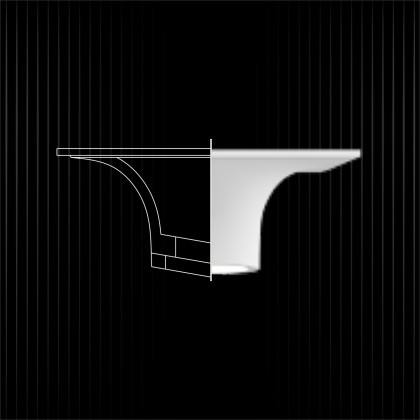
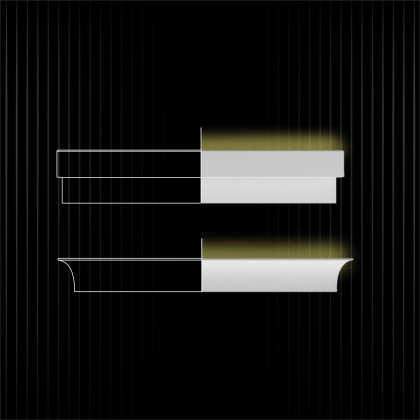
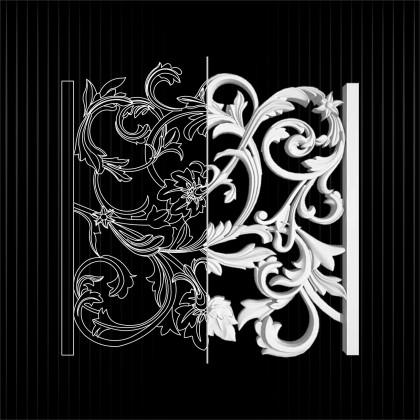
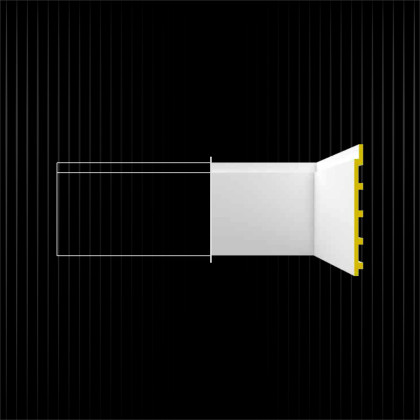




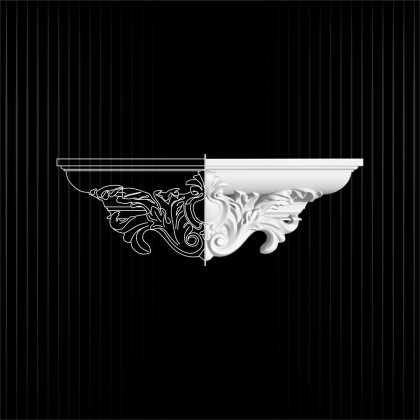
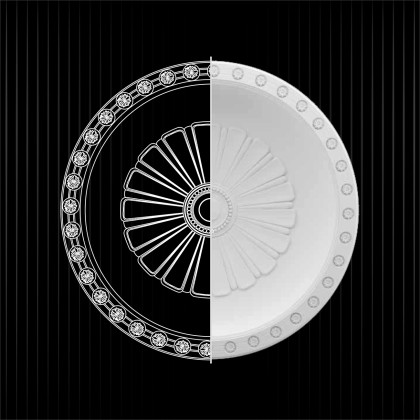
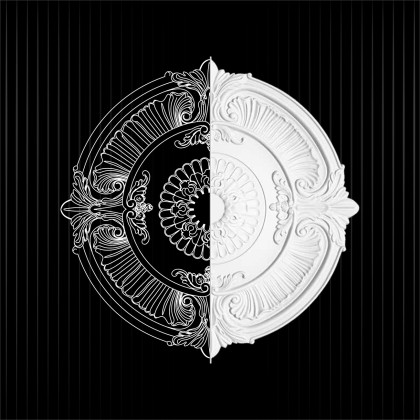
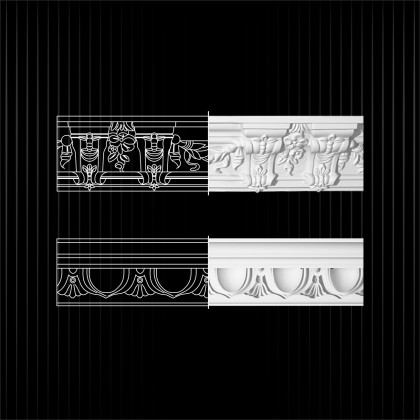
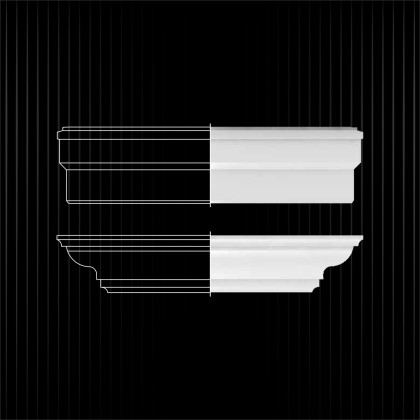
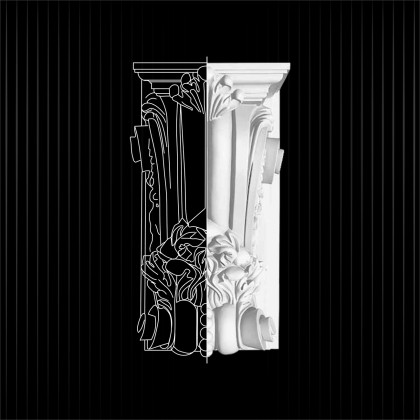
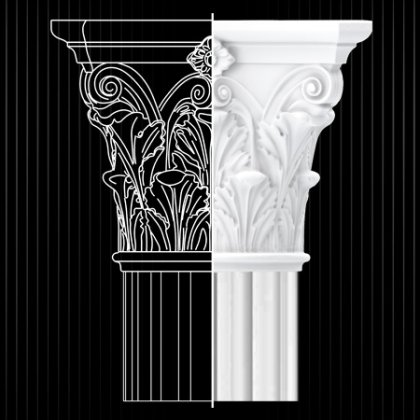
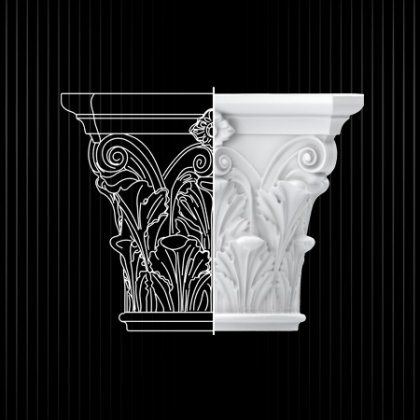



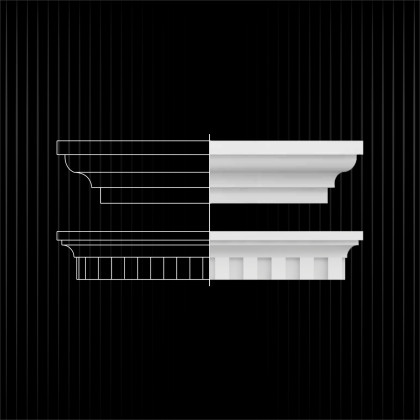
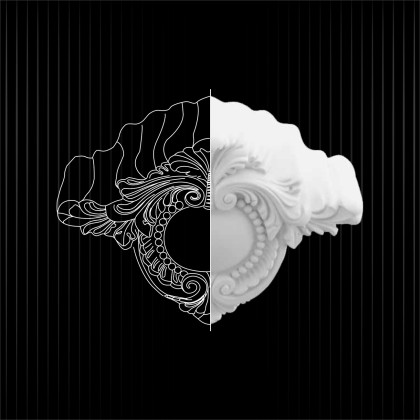
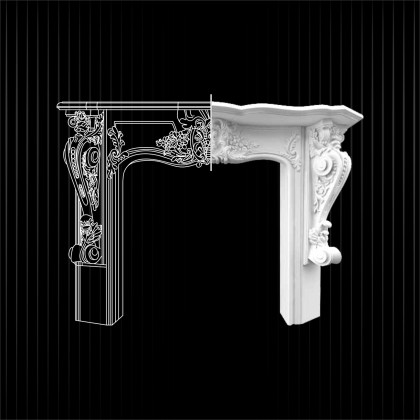
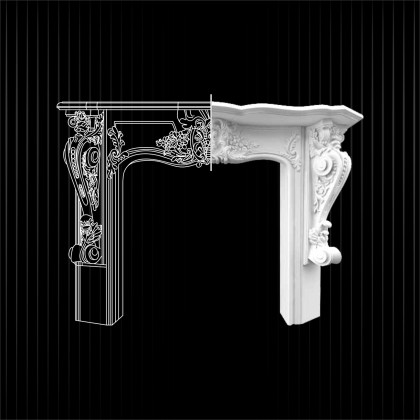
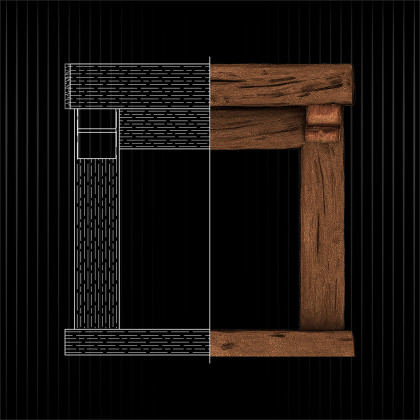
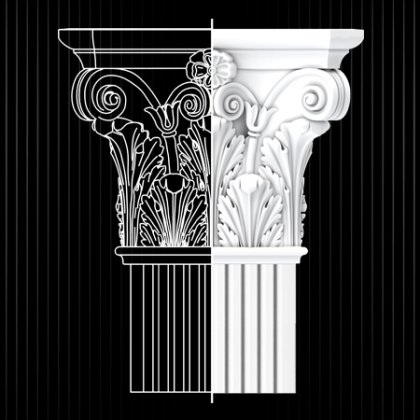
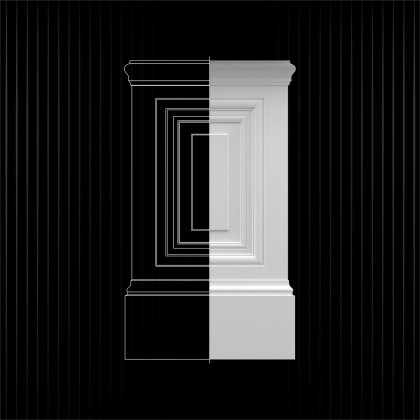
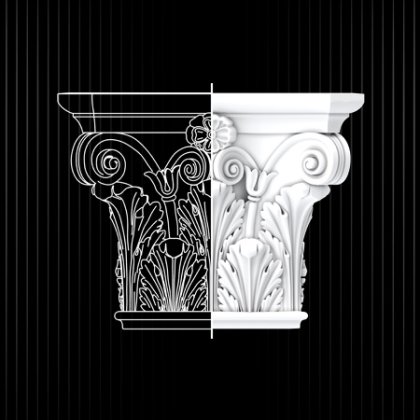
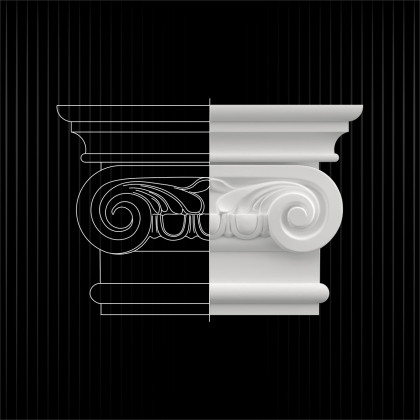
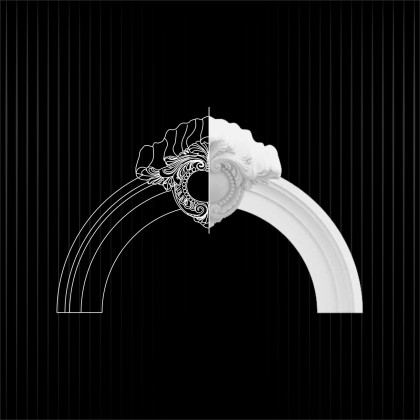
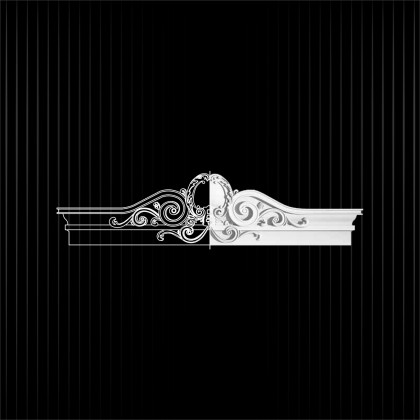
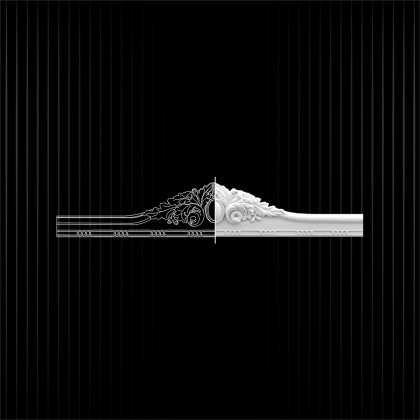
20 CM Diameter Doric Ion Corinthian Polyurethane Column Capitals and Models
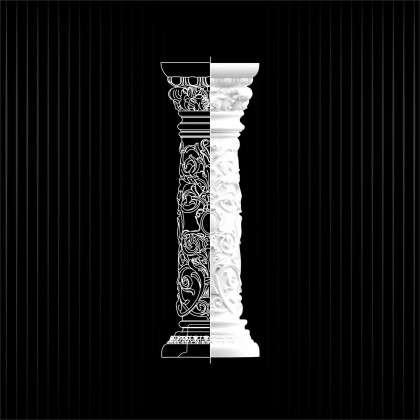
Doric and Ionic column capitals are one of the most important elements of Ancient Greek architecture. These architectural elements have been adopted and used by many civilizations throughout history. Especially Doric and Ionic column capitals with a diameter of 20 cm are ideal for small-scale structures and decorative purposes. In this article, the history, features and features of Doric and Ionic column capitals. We will discuss their use in modern architecture Doric Column Capitals Doric column capital is considered the oldest and simplest column style in Ancient Greek architecture. It symbolizes strength and simplicity. Doric column capitals are generally known for their heavy and solid structure. Doric column capitals with a diameter of 20 cm can be used in small-scale projects or detailing works. This type of capitals usually includes a simple abacus upper surface ending in a flat plate and a rounded echinus lower rounded part. Ionic Column Capitals Ionic capitals have a more complex and ornate structure. The Ionic style is known for its finer details and elegance. The most distinctive feature of column capitals is the volutes, which are spiral decorations on both sides. Ionic column capitals with a diameter of 20 cm are frequently preferred in small-scale buildings and interior decoration with their elegant details. These capitals generally offer a thinner and more elegant appearance. The Effect of Ancient Greek column capitals on modern architecture Doric and Ionic column capitals are still used in many different projects today. Especially small-scale column capitals such as 20 cm in diameter are preferred for decorative purposes in museums, art galleries, private residences and garden arrangements. These column capitals add an aesthetic value as well as adding a historical touch. Conclusion Doric and Ionic column capitals are timeless elements of Ancient Greek architecture. These capitals, with a diameter of 20 cm, are perfect for small-scale structures and detail work. Their use in modern architecture is important for the protection and preservation of historical and cultural heritage. These column capitals carry both historical and aesthetic value and add to the appearance of the buildings. These elements, inspired by ancient Greek architecture, have an important place in the universal language of architectural design.


Polyurethane Column Capitals P5220 Doric Columns: Elegance and Simplicity in Architectural Decor Designs and Ideas
747.14 lei 672.43 lei


Exploring Polyurethane Column Capital P5220D: A Comprehensive Architectural Journey - Design Models, Decoration Ideas, and Examples
413.61 lei 372.25 lei


Polyurethane Column Capitals P5220I: Architectural Polyurethane for Complex Details - Designs and Ideas for Columns and Capitals Decoration
621.88 lei 559.69 lei


Polyurethane Column Capitals P5320 Doric Columns: Simplicity and Durability in Architectural Decoration Design Models and Ideas
826.56 lei 743.90 lei


Polyurethane Column Capitals P5420: Choosing Decorative Elements for Personality and Style - Design Models and Decoration Ideas
688.99 lei 620.09 lei
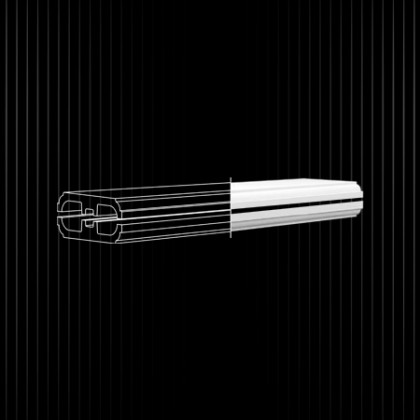
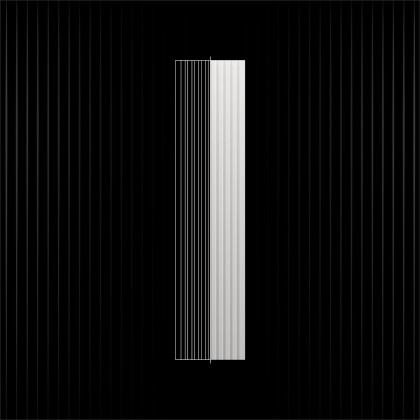
Polyurethane 20 CM Diameter Grooved Straight Cylindrical Snake Column Models
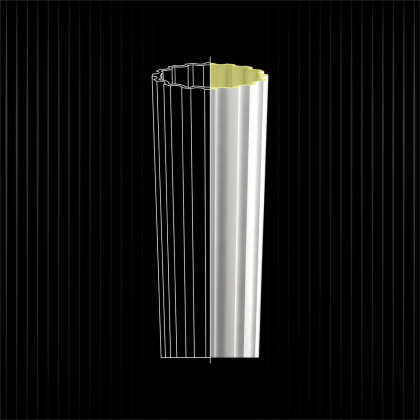
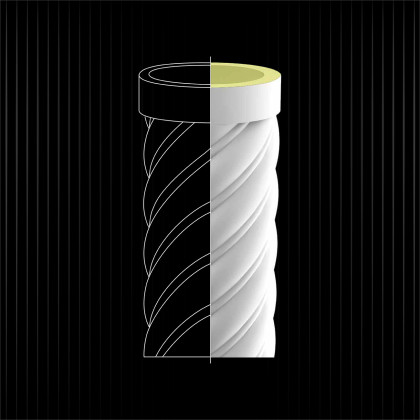
Polyurethane 20 cm diameter grooved and flat cylindrical snake-shaped columns offer a unique aesthetic in contemporary and classical space designs. These specially designed columns are an excellent option to add both structural strength and visual richness. In this article, we will focus on the features, usage areas and advantages of such columns. Design and Features Polyurethane material is a preferred material in architectural decorations thanks to its lightness and durability. Fluted and flat cylindrical snake figured columns with a diameter of 20 cm are perfect examples showing the flexibility of this material. The grooved design adds a classical touch to the columns, and the snake figures combine modern design with mythological and historical symbols. Areas of Use These columns They are especially designed to be used in different places such as thematic parks, hotels, restaurants and private residences. These columns, which can be used indoors and outdoors, offer an impressive visual effect in entrances, gardens, lobbies or as the focal point of any room. Advantages: Durability and Lightness. The lightness of polyurethane makes it easy to install and is resistant to water and weather conditions. High resistance is ideal for outdoor use. Aesthetic Diversity. The grooved and snake-shaped design adds a unique character and depth to the space. This special design creates a unique atmosphere in accordance with the general theme of the space. Long-Lasting Use. Polyurethane material is resistant to decay, rust and insect damage, which means that the columns will last for many years. allows it to maintain its aesthetic appearance Personalization These columns can be produced in different colors and sizes, thus adapting to the specific needs and design preferences of each project. Result Polyurethane 20 cm diameter grooved and flat cylindrical snake-shaped columns are original and aesthetic structural elements designed to be used in modern and classical spaces. These columns add mythological elements to spaces. In addition to adding atmosphere, it also offers practical advantages such as durability and lightness. Especially in thematic designs, such columns add depth and character to the space and create an unforgettable visual experience.


Polyurethane Fluted Columns P5820: Ionic, Doric, Corinthian Styles - Antique Elegance Decoration Designs and Ideas
1,129.67 lei 1,016.70 lei


Polyurethane Column P5820B: Mold and Pest Resistant - Durable FLAT COLUMN Decoration Styles Design Ideas and Inspirations
1,209.09 lei 1,088.18 lei


Elegant and Prestigious Polyurethane Columns P5820C - Design Models and Ideas for Your Project's Decorative Polyurethane Column Needs
1,712.40 lei 1,541.16 lei
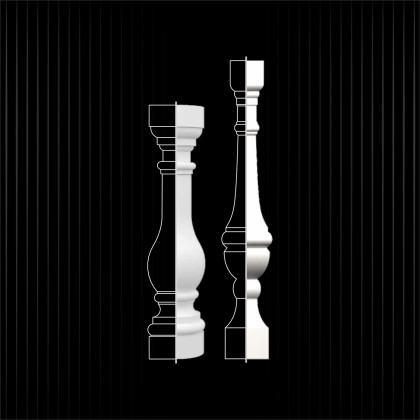
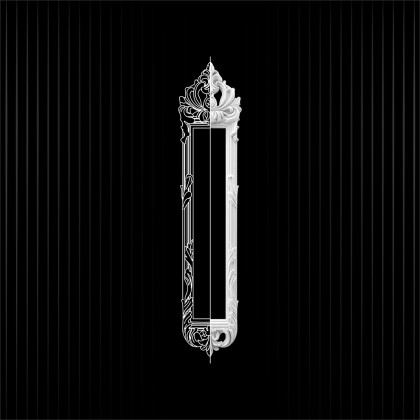
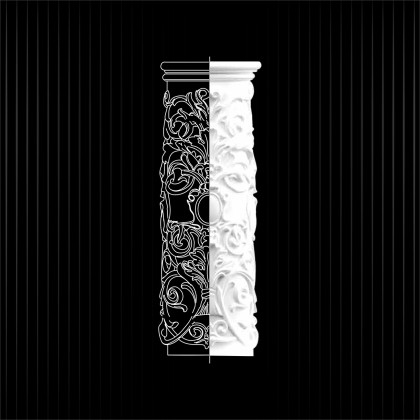
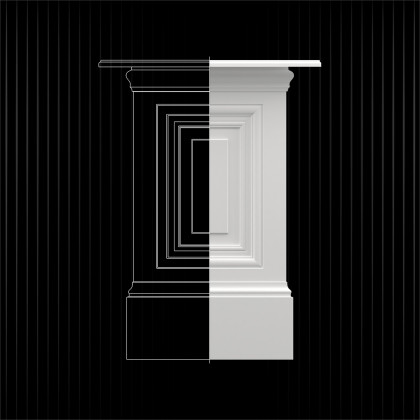
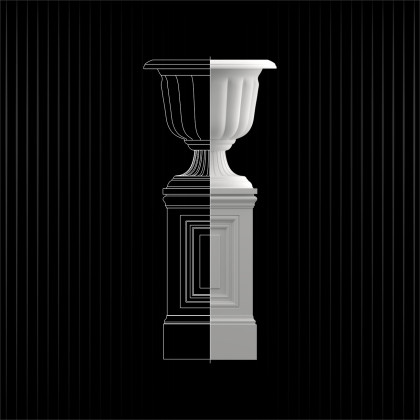
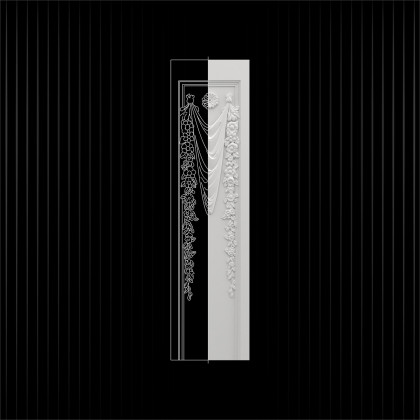
20 cm diameter Patterned column pillar and lower pedestal models
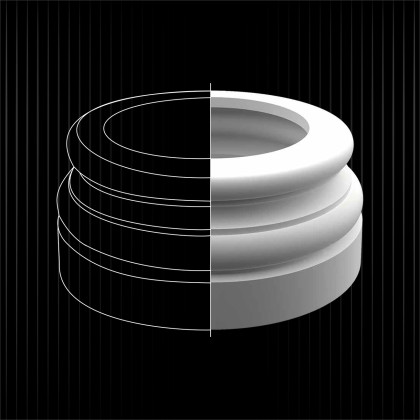
Patterned column pillar and sub-base models with a diameter of 20 cm play both an aesthetic and functional role in architectural designs. These special products have the potential to transform any space by offering a unique and striking appearance beyond conventional architectural elements. In this article, the features of patterned column pillars and sub-base models are used. We will focus on its areas and advantages Design and Features Patterned column legs and sub-base models with a diameter of 20 cm attract attention with their detailed workmanship and aesthetic diversity. These products, produced from durable materials such as polyurethane, are decorated with various patterns and motifs and provide a solid support to the structure as well as adding an eye-catching detail. These models, designed in harmony with classical modern baroque or neo-classical architectural styles, strengthen the general design language of the space. Areas of Use: Patterned column base and lower pedestal models are generally preferred in entrances, halls, galleries, hotel lobbies and interior and exterior spaces of private residences. These products only provide structural support. It not only serves as a function but also increases the aesthetic value of the space. Ideal for preserving or recreating the original architectural features of historical buildings in restoration projects. Advantages Aesthetic Attractiveness Patterned column legs and sub-base models enrich the appearance of the space with their rich details and original designs. Durability High quality materials such as polyurethane are resistant to moisture and water. offers resistance to other external factors Long-Lasting Use The durability of the material ensures that the products maintain their aesthetic appearance and structural integrity for a long time Diversity Various pattern and model options suitable for different architectural styles offer solutions suitable for the needs of every project Easy Installation and Maintenance Polyurethane column legs and sub-bases are lightweight thanks to their lightness It offers easy assembly and requires minimum maintenance. Conclusion Patterned column pillar and sub-base models with a diameter of 20 cm are aesthetic and functional elements that add value to architectural designs. With their unique patterns and durable structure, these products add a special character and depth to any space. They can be used in modern and classical architectural projects. These models are ideal for aesthetically enriching spaces and providing structural support.


Elegant Polyurethane Column Bases P5520 - Transform Your Space with Polyurethane Column Designs, Decoration Ideas, and Inspirations
1,093.88 lei 984.49 lei


Polyurethane Column Base P5920B: Aesthetic and Durable Decoration Options
384.77 lei 346.29 lei

Polyurethane Column Base P5920B: Aesthetic and Durable Decoration Options
384.77 lei 346.29 lei


Polyurethane Column Base P5920C: Superior Resistance to Moisture and Temperature in Decorative Designs
346.73 lei 312.06 lei

Polyurethane is a type of plastic material. A Polyurethane 20 CM Circular Cylindrical Column, Column Base, Column Heads, and Models refers to architectural or decorative elements made from this material. These items include a cylindrical column that is 20 centimeters in diameter, along with bases and tops for the column, and various models or designs, all made of polyurethane.
Polyurethane Columns and Architectural Details
Polyurethane is a versatile material widely used in the construction and architectural industry for creating detailed and durable components. Among these, the polyurethane 20 cm circular cylindrical columns, including their bases, heads, and various models, stand out for their aesthetic appeal and functionality. This article explores the characteristics and benefits of these polyurethane architectural elements.
Understanding Polyurethane
Polyurethane is a type of polymer composed of organic units joined by carbamate (urethane) links. It is known for its flexibility, durability, and resistance to weathering, which makes it an ideal material for both interior and exterior architectural elements. Polyurethane can be molded into almost any shape and size, allowing for a wide range of designs and applications.
Features of 20 CM Circular Cylindrical Columns
The 20 cm circular cylindrical columns made from polyurethane are notable for their precise dimensions and smooth finish. These columns are lightweight yet strong, making them easy to install without compromising on stability. They can support significant weight, making them suitable for use in various structural and decorative applications.
Column Bases and Heads
Column bases and heads are essential components that add to the aesthetic and structural integrity of the columns. Polyurethane column bases are designed to evenly distribute the column's weight, reducing the risk of sinking or tilting. The column heads, or capitals, come in various styles, from classical to contemporary, to match any design theme. These elements are also made from polyurethane, ensuring a cohesive look and lasting durability.
Models and Designs
One of the advantages of using polyurethane for architectural elements is the vast array of models and designs available. Whether you are looking for a simple, smooth column or one with intricate carvings and patterns, polyurethane can be molded to meet these requirements. This flexibility allows architects and designers to achieve the desired aesthetic without being limited by material constraints.
Benefits of Polyurethane Columns
- Durability: Polyurethane is resistant to moisture, mold, mildew, and insects, making it a long-lasting option for both indoor and outdoor applications.
- Low Maintenance: Unlike traditional materials like wood or stone, polyurethane does not require frequent maintenance and is easy to clean.
- Cost-Effective: While offering the appearance of more expensive materials, polyurethane columns are more affordable and offer a high return on investment due to their durability and low maintenance requirements.
- Customizable: The versatility of polyurethane allows for customization in terms of size, design, and finish, enabling a unique architectural expression.
Conclusion
Polyurethane 20 cm circular cylindrical columns, along with their bases and heads, offer a modern solution for both structural and decorative elements in architecture. Their durability, ease of maintenance, and wide range of designs make them a popular choice among architects and designers. Whether you are renovating an old building or constructing a new one, polyurethane columns can provide the perfect blend of functionality and style.
The Polyurethane 20 CM Circular Cylindrical Column, its base, heads, and models, hold a place in history as examples of architectural elements and design models.
The Historical Significance of Polyurethane 20 CM Circular Cylindrical Columns and Accessories
The advent of polyurethane 20 cm circular cylindrical columns, along with column bases, heads, and models, marks a significant point in the history of architectural materials and construction techniques. This innovation not only represents a shift in the materials used in construction but also reflects broader trends in architectural design and technology.
The Evolution of Building Materials
Historically, construction materials have evolved from natural to more synthetic and durable materials. The introduction of polyurethane as a material for columns signifies a move towards lightweight, cost-effective, and versatile construction materials. Unlike traditional materials such as stone, wood, or concrete, polyurethane offers unique advantages, including resistance to weather, pests, and decay, making it an ideal choice for both interior and exterior applications.
Impact on Architectural Design
The flexibility and versatility of polyurethane have had a profound impact on architectural design. Designers can now create intricate column details and heads that were either too costly or impossible to achieve with traditional materials. This has led to a renaissance in classical architectural designs, as well as innovation in contemporary styles, where the limits of design are constantly being pushed by the capabilities of new materials.
Technological Advancements in Construction
The use of polyurethane 20 cm circular cylindrical columns and their accessories is also a testament to the technological advancements in the construction industry. The ability to mass-produce these elements with precision and consistency has revolutionized the speed and efficiency of building projects. Furthermore, the ease of installation and maintenance of polyurethane columns compared to their traditional counterparts has significantly reduced the overall cost and time required for construction projects.
Conclusion
The place of polyurethane 20 cm circular cylindrical columns, column bases, column heads, and models in history is not just a footnote in the evolution of construction materials. It is a reflection of the ongoing transformation in the field of architecture and construction, where innovation in materials and technology continually reshapes our built environment. As we move forward, the significance of these developments will undoubtedly continue to influence the way we design and construct buildings for generations to come.
Polyurethane column, 20 cm in diameter, including the base, top, and models.
Polyurethane Circular Column Properties
Polyurethane, a versatile and durable material, is widely used in the construction and architectural industries for creating structural elements that are both aesthetic and functional. Among these elements, polyurethane circular cylindrical columns, including their bases and heads, stand out for their unique properties and applications. This article delves into the specifics of a 20 cm diameter polyurethane circular column, its base, column heads, and models, highlighting their characteristics and benefits.
Characteristics of Polyurethane Circular Columns
Polyurethane columns are known for their lightweight, strength, and ease of installation. A 20 cm circular cylindrical column made from polyurethane combines these advantages with a versatile design, making it suitable for both interior and exterior applications. These columns can support significant loads, resist environmental factors like moisture and insects, and require minimal maintenance.
Column Base
The base of a polyurethane column plays a critical role in distributing the column's load to the foundation. It is designed to not only provide structural support but also add to the aesthetic appeal of the column. Polyurethane bases are resistant to decay and can mimic the look of traditional materials like stone or wood, offering a blend of durability and beauty.
Column Heads
Column heads, or capitals, are the top part of the column, serving both a structural and decorative function. In polyurethane columns, these heads can be crafted in various styles, from classical Corinthian and Ionic to modern minimalist designs, providing architects and designers with the flexibility to match any architectural theme or design requirement.
Models and Applications
Polyurethane circular columns are available in a range of models and sizes, with the 20 cm diameter being a popular choice for medium-scale applications. These columns are used in residential buildings, commercial structures, and public spaces for purposes ranging from purely decorative to fully structural. Their ease of customization allows for the creation of unique architectural features that can enhance the aesthetic value of any space.
Benefits
The use of polyurethane for circular columns offers numerous benefits. These include:
- Durability: Polyurethane is resistant to weather, wear, and tear, ensuring longevity.
- Maintenance: These columns require little to no maintenance, saving time and money.
- Aesthetics: With the ability to mimic other materials and adapt to various designs, polyurethane columns can significantly enhance the visual appeal of a building.
- Cost-Effectiveness: Compared to traditional materials, polyurethane is more cost-effective, especially when considering its durability and low maintenance requirements.
In conclusion, polyurethane circular cylindrical columns, along with their bases and heads, offer a combination of structural integrity, aesthetic flexibility, and cost-efficiency. The 20 cm diameter model, in particular, provides a versatile option for a wide range of architectural applications, making it a preferred choice for modern construction and design projects.
The uses of polyurethane for 20 cm circular cylindrical columns, bases, heads, and decorative models are distinct.
Polyurethane Usage in Decorative Elements
Polyurethane, a versatile material, is extensively used in the construction and decoration industries due to its durability, resistance to wear and tear, and ease of molding into various shapes. Specifically, when it comes to the creation of decorative elements such as 20 cm circular cylindrical columns, column bases, column heads, and models, polyurethane offers several advantages that make it a preferred choice among designers and architects.
Distinctive Applications of Polyurethane in Decorations
The usage areas of polyurethane in decorations, particularly for 20 cm circular cylindrical columns, column bases, column heads, and models, are distinct yet interconnected. Each element serves a unique purpose in enhancing the aesthetic appeal and architectural integrity of a structure.
Circular Cylindrical Columns
These columns, crafted from polyurethane, not only support structures but also add an element of classical beauty. Their smooth, rounded appearance is ideal for both interior and exterior applications, creating a seamless blend of functionality and design elegance.
Column Bases
Column bases serve as the foundation for columns, anchoring them securely to the floor or ground. Polyurethane is particularly suited for this purpose due to its strength and durability, ensuring that the columns remain stable and upright over time. Furthermore, the versatility of polyurethane allows for the creation of intricate designs that can complement any architectural style.
Column Heads
The tops of columns, or column heads, can be intricately designed with polyurethane to add a decorative touch. From simple, sleek designs to more elaborate, ornate patterns, polyurethane enables the creation of diverse styles that can enhance the overall appearance of a building.
Models and Decorations
Beyond structural elements, polyurethane is also used to create various decorative models and embellishments. These can range from small, intricate details to large, eye-catching sculptures. The material's moldability allows for high precision in replicating designs, making it ideal for custom decorations.
Conclusion
In conclusion, polyurethane's versatility, durability, and aesthetic appeal make it an ideal material for a wide range of decorative applications, including 20 cm circular cylindrical columns, column bases, column heads, and models. Its ability to be shaped into various forms and designs enables architects and designers to bring their visions to life, adding beauty and elegance to any structure.
Polyurethane column, 20 cm diameter, including base, capitals, and designs.
Polyurethane Columns: An Architectural Marvel
The world of architecture and design constantly seeks materials that combine beauty, durability, and versatility. Polyurethane, a synthetic polymer known for its resilience and flexibility, has emerged as a popular choice among architects and designers. Particularly, polyurethane columns, with their diverse designs and applications, have become a staple in both interior and exterior architectural projects.
20 CM Circular Cylindrical Polyurethane Columns
Among the various forms of polyurethane columns, the 20 cm circular cylindrical columns stand out for their elegance and structural integrity. These columns, meticulously crafted from high-quality polyurethane, offer the perfect blend of classical aesthetics and modern durability. Whether used as structural support or decorative elements, they add a touch of sophistication to any space.
Column Bases and Heads
The base and head of a column play a crucial role in defining its overall look and feel. Polyurethane columns come with a range of base and head designs, allowing for customization according to architectural style and personal preference. From ornate Corinthian heads to simple Doric bases, the possibilities are endless, enabling architects to achieve the desired ambiance and aesthetics.
Models and Applications
Polyurethane columns are not limited to traditional designs. They are available in a variety of models, catering to diverse architectural styles, from classical to contemporary. These columns can be used in residential buildings, commercial establishments, public spaces, and more. They are particularly favored for their lightweight, ease of installation, and resistance to weathering, making them suitable for both indoor and outdoor use.
Conclusion
In conclusion, polyurethane columns, especially the 20 cm circular cylindrical columns, offer architects and designers a versatile and durable option for adding elegance and style to their projects. With a wide range of bases, heads, and models available, these columns can be tailored to suit any design vision, making them an architectural marvel worth considering.
Yes, polyurethane columns and their components can be used on exterior walls.
Using Polyurethane Columns on Exterior Walls
Polyurethane, a versatile and durable material, is increasingly being used in architectural applications, including the exterior decoration of buildings. Among these applications, polyurethane columns, including 20 cm circular cylindrical columns, column bases, column heads, and various models, offer an attractive and practical solution for enhancing the aesthetic appeal of exterior walls.
Benefits of Polyurethane Columns for Exterior Walls
Polyurethane columns bring several advantages to exterior wall applications. Firstly, they are lightweight, making them easy to install compared to traditional materials like stone or wood. This feature reduces the structural load on buildings, making polyurethane columns a safe choice for exterior decoration. Secondly, they are highly resistant to weather elements, including rain, snow, and UV radiation, ensuring longevity and maintaining their appearance over time. Additionally, polyurethane is resistant to mold and pests, further extending the life of these architectural elements.
Design Flexibility
Another significant advantage of using polyurethane columns on exterior walls is the design flexibility they offer. Available in various styles, from classical to contemporary, these columns can be easily painted or finished to match the overall design theme of the building. This versatility allows architects and designers to achieve the desired aesthetic without compromising on durability or maintenance requirements.
Installation and Maintenance
Installing polyurethane columns is straightforward, requiring only basic tools and skills. They can be affixed to exterior walls using standard construction adhesives and fasteners, providing a secure and lasting installation. Maintenance is minimal, usually requiring only occasional cleaning with soap and water to remove dust and dirt, ensuring that the columns retain their aesthetic appeal over time.
Conclusion
In conclusion, polyurethane 20 cm circular cylindrical columns, column bases, column heads, and models are an excellent choice for use on exterior walls. Their durability, weather resistance, design flexibility, and ease of installation and maintenance make them a practical and attractive option for enhancing the exterior aesthetics of buildings. As the use of polyurethane in architectural applications continues to grow, these columns represent a forward-thinking choice for modern construction and design projects.
Yes, polyurethane columns and their parts can be painted.
Painting Polyurethane Columns and Models
When it comes to adding a personalized touch or refreshing the appearance of polyurethane columns and models, painting is a viable option. This includes 20 cm circular cylindrical columns, column bases, column heads, and various models made from polyurethane. The process, however, requires careful preparation and the right materials to ensure a durable and aesthetically pleasing finish.
Preparation
Before painting, it's crucial to prepare the surface of the polyurethane. Start by cleaning the surface to remove any dust, grease, or other contaminants. Sanding the surface with a fine-grit sandpaper can help create a texture that the paint can adhere to. After sanding, wipe down the surface with a damp cloth to remove any dust particles.
Primer Application
Applying a primer is an essential step before painting. A primer designed for use on plastic materials is recommended. This will help the paint adhere better to the polyurethane surface and also provide a more uniform color application. Allow the primer to dry thoroughly as per the manufacturer's instructions before proceeding to paint.
Painting
When choosing paint, select one that is compatible with polyurethane and suitable for the object's intended use. Acrylic and latex paints are commonly used for their ease of application and durability. Apply the paint using a brush, roller, or spray, depending on the desired finish and the intricacy of the model or column. It may require multiple coats to achieve the desired opacity and finish, allowing adequate drying time between coats.
Sealing
After the paint has fully dried, applying a clear sealer can protect the paint surface from scratches, water damage, and UV rays. This step is particularly important for columns and models that will be exposed to the elements or handled frequently. Choose a sealer compatible with both the paint and the polyurethane material.
Conclusion
Painting polyurethane columns and models can refresh their appearance and extend their lifespan. By following the proper preparation and painting steps, you can achieve a professional-looking finish that enhances the beauty of your polyurethane pieces. Whether it's for interior decoration or architectural models, a fresh coat of paint can make all the difference.
To apply polyurethane on a 20 cm circular cylindrical column, including the base, heads, and models, follow these steps: 1. Prepare the surface: Ensure the column is clean, dry, and smooth. Sand any rough areas and remove dust. 2. Apply a thin coat of polyurethane using a brush or roller. Start from the bottom and work your way up to avoid drips. 3. Let it dry according to the manufacturer's instructions, usually for several hours. 4. Sand the surface lightly with fine-grit sandpaper to ensure the next coat adheres well. Remove any dust. 5. Apply a second coat of polyurethane for added protection and let it dry completely. 6. If desired, apply additional coats, sanding between each, for a smoother finish.
Applying Polyurethane on Circular Cylindrical Columns and Accessories
Applying polyurethane to a 20 cm circular cylindrical column, its base, heads, and models can significantly enhance their durability and aesthetic appeal. This guide provides step-by-step instructions to achieve a professional finish.
Materials Needed
- Polyurethane (water or oil-based, depending on preference)
- Fine-grit sandpaper (220 or higher)
- Tack cloth or a lint-free cloth
- High-quality natural or synthetic bristle brush
- Protective gloves and eyewear
Preparation
Start by ensuring your column and accessories are clean, dry, and free of any previous finishes or grease. Sand the surface lightly with fine-grit sandpaper, then wipe down with a tack cloth to remove all dust.
Application
Stir your polyurethane gently to avoid creating bubbles. Using your brush, apply a thin, even coat of polyurethane to the column, base, heads, and any models. Work in small sections, maintaining a wet edge to avoid lap marks. Avoid over-application to prevent drips and runs.
Drying and Re-coating
Allow the first coat to dry as recommended by the product manufacturer. Once dry, lightly sand the surface with fine-grit sandpaper to ensure a smooth base for the next coat. Wipe away all dust with a tack cloth, then apply the second coat. For best results, apply a minimum of three coats, especially on areas subject to wear and tear.
Final Steps
After applying the final coat, allow the polyurethane to cure fully. This process can take several days, depending on the humidity and temperature. Once cured, your circular cylindrical column and accessories will have a durable, protective finish that enhances their appearance and longevity.
Tips for Success
- Work in a well-ventilated area to ensure proper drying and to reduce exposure to fumes.
- If using water-based polyurethane, consider adding a flow extender to reduce brush marks.
- For outdoor projects, ensure the polyurethane is suitable for exterior use to withstand weather conditions.
The difference between polyurethane and styrofoam models of 20 cm circular cylindrical columns, column bases, and column heads is in the material used. Polyurethane models are made from a type of durable plastic, while styrofoam models are made from a lighter, foam material.
Differences Between Polyurethane and Styrofoam Columns
When it comes to architectural elements such as 20 cm circular cylindrical columns, column bases, column heads, and models, both polyurethane and styrofoam materials are popular choices. However, they differ significantly in terms of properties, applications, and performance. Understanding these differences can help in making an informed decision for your construction or design projects.
Material Composition
Polyurethane is a type of polymer composed of organic units joined by carbamate links. It is versatile and can be tailored to be either rigid or flexible, making it suitable for a wide range of applications. Styrofoam, on the other hand, is a trademarked brand of closed-cell extruded polystyrene foam (XPS), known for its excellent thermal insulation properties and light weight.
Durability and Strength
Polyurethane columns are known for their durability and high strength-to-weight ratio. They are resistant to wear, tear, and various environmental factors, making them ideal for both indoor and outdoor applications. Styrofoam, while also lightweight, is less durable compared to polyurethane and is more susceptible to physical damage and UV light.
Thermal Insulation
Styrofoam provides superior thermal insulation compared to polyurethane. This makes it an excellent choice for applications where temperature control is crucial. However, for structural applications where insulation is not the primary concern, polyurethane's strength and durability offer a better option.
Environmental Impact
Both materials have environmental considerations. Polyurethane, while being more durable and having a longer lifespan, can release toxic compounds during production and upon disposal. Styrofoam, although recyclable, is often not recycled due to contamination issues and can persist in the environment for centuries.
Cost
Cost can vary widely depending on the specific type and quality of the material. Generally, styrofoam is less expensive than polyurethane. However, considering the durability and lifespan of polyurethane, it may offer a better long-term investment for certain applications.
Conclusion
Choosing between polyurethane and styrofoam for your circular cylindrical columns, column bases, column heads, and models depends on the specific requirements of your project. If durability and strength are paramount, polyurethane is the superior choice. For applications requiring excellent thermal insulation and where cost is a significant factor, styrofoam may be the better option. Careful consideration of each material's properties will ensure the success of your project.
The difference is in the material used. One is made of polyurethane and the other of plaster. Both are 20 cm circular cylindrical columns with bases, heads, and models.
Polyurethane vs Plaster Columns
When considering materials for architectural elements such as 20 cm circular cylindrical columns, column bases, column heads, and models, two popular choices are polyurethane and plaster. Each material offers distinct advantages and disadvantages, influencing their suitability for various applications.
Polyurethane Columns
Polyurethane is a versatile polymer that can be molded into a wide range of shapes and sizes, making it ideal for creating detailed and complex column designs. It is lightweight, which simplifies the installation process, especially for overhead structures. Polyurethane is also resistant to moisture, mold, and mildew, making it suitable for both indoor and outdoor use. Its durability ensures that it can withstand the elements without deteriorating quickly. Additionally, polyurethane columns can be painted or finished to match any decor.
Plaster Columns
Plaster, on the other hand, is a traditional material that has been used for centuries in architectural applications. It offers a classic look that is difficult to replicate with synthetic materials. Plaster is known for its smooth, paintable surface that can be sculpted into intricate designs. However, it is heavier than polyurethane and more susceptible to damage from moisture and physical impact. Plaster requires skilled craftsmen for installation and repair, which can increase the overall cost. It is best suited for indoor applications where its aesthetic qualities can be preserved.
Comparison
The choice between polyurethane and plaster columns depends on several factors, including the project's specific requirements, budget, and desired aesthetic. Polyurethane offers the advantages of durability, moisture resistance, and ease of installation, making it a practical choice for both indoor and outdoor applications. Plaster, while more challenging to work with, provides a level of detail and classic beauty that may be preferred for historic reproductions or high-end decor. Ultimately, the decision should be based on the individual needs of the project and the properties of each material.
Polyurethane precast is made from a type of plastic that's strong and lightweight, while GRC precast (Glassfibre Reinforced Concrete) is a mixture of cement and glass fibers, making it tough and durable but heavier.
Difference Between Polyurethane Precast and GRC Precast
Introduction
In the world of construction and architecture, materials play a pivotal role in determining the efficiency, durability, and aesthetic appeal of structures. Among the myriad of options available, polyurethane precast and Glassfibre Reinforced Concrete (GRC) precast stand out for their unique properties and applications. This article delves into the differences between these two materials, shedding light on their composition, properties, and suitable applications.
Polyurethane Precast
Polyurethane precast is a type of building material that is manufactured by casting polyurethane, a type of polymer, into molds to achieve desired shapes and sizes. This material is renowned for its lightweight, flexibility, and excellent insulation properties. Polyurethane precast is often used in decorative elements, moldings, and in applications where weight and insulation are critical factors.
GRC Precast
Glassfibre Reinforced Concrete (GRC) precast is a material composed of cement, fine aggregate, water, chemical admixtures, and alkali-resistant glass fibers. The inclusion of glass fibers enhances the strength and durability of the concrete, making GRC precast an ideal choice for a wide range of structural and non-structural applications. It is particularly valued for its high strength-to-weight ratio, fire resistance, and ability to be molded into complex shapes.
Key Differences
- Composition: Polyurethane precast is primarily made from polymers, while GRC precast is a composite of cement, aggregates, and glass fibers.
- Weight: Polyurethane precast is significantly lighter than GRC precast, making it easier to handle and install.
- Strength and Durability: GRC precast generally offers superior strength and durability compared to polyurethane precast, making it suitable for structural applications.
- Insulation: Polyurethane precast provides better insulation properties, which can be beneficial in reducing energy costs in buildings.
- Applications: Polyurethane precast is often used for decorative elements and insulation purposes, whereas GRC precast is preferred for structural components, façades, and complex shapes.
Conclusion
Choosing between polyurethane precast and GRC precast depends on the specific requirements of a project, including factors such as weight, strength, durability, insulation needs, and aesthetic considerations. Understanding the distinct characteristics of each material can help architects, engineers, and builders make informed decisions that optimize the performance and appeal of their constructions.
Polyurethane 20 cm circular cylindrical column, base, heads, and models prices.
Polyurethane Circular Cylindrical Columns: An Overview of Prices
Polyurethane is a versatile material widely used in construction and architectural projects for its durability and aesthetic appeal. Among its various applications, polyurethane circular cylindrical columns, column bases, column heads, and models are increasingly popular. These components offer an elegant solution for both interior and exterior design, combining strength with a classic architectural look. This article provides a brief overview of the prices for these items, helping potential buyers make informed decisions.
Polyurethane Circular Cylindrical Column
The 20 cm circular cylindrical column made of polyurethane is a popular choice for its robustness and ease of installation. Prices for these columns can vary based on the manufacturer, the quality of the material, and the complexity of the design. On average, buyers can expect to pay between $100 and $300 per column. Custom designs or larger sizes may increase the price.
Column Base
The base of a column plays a crucial role in its overall appearance and stability. Polyurethane column bases are designed to mimic traditional stone or concrete bases but at a fraction of the weight. Prices for these bases typically range from $50 to $150, depending on the size and design intricacy.
Column Heads
Column heads, or capitals, add a decorative touch to the top of the column. Polyurethane options are available in various styles, including Ionic, Corinthian, and Doric, among others. The cost of polyurethane column heads can range from $75 to $200, influenced by the design complexity and the finish.
Models
For those looking to visualize their project before making a purchase, manufacturers often offer polyurethane models of columns, bases, and heads. These models can be an invaluable tool for architects and designers. Prices for these models are typically lower, ranging from $20 to $100, depending on the size and detail of the model.
In conclusion, polyurethane circular cylindrical columns and their components offer a cost-effective, durable, and aesthetically pleasing option for architectural projects. While prices can vary widely based on several factors, the ranges provided here should serve as a basic guideline for potential buyers. Always consult with manufacturers or suppliers for the most accurate and up-to-date pricing information.
Information Gallery
List of detailed descriptions of images in the image gallery.


