 English
 Romanian
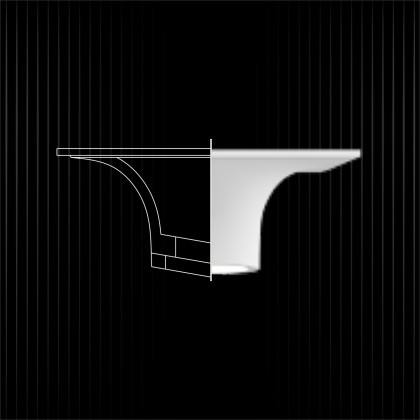
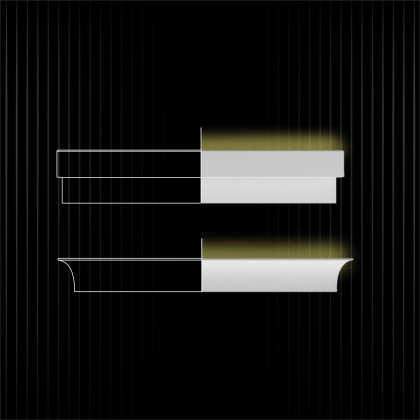
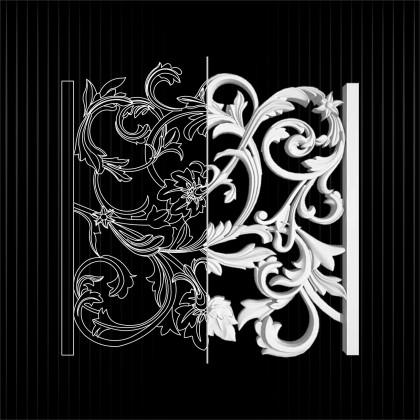
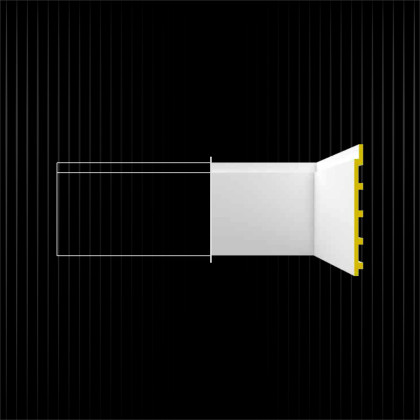







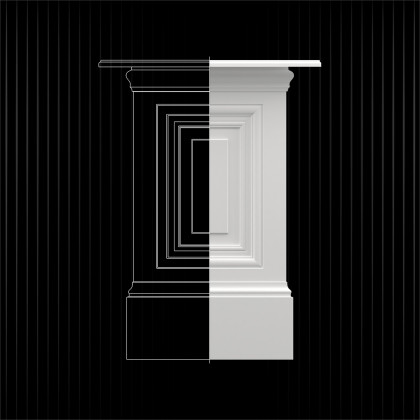
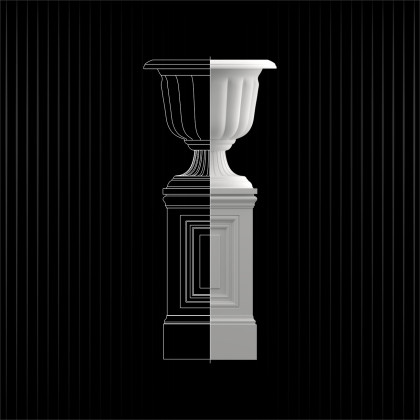
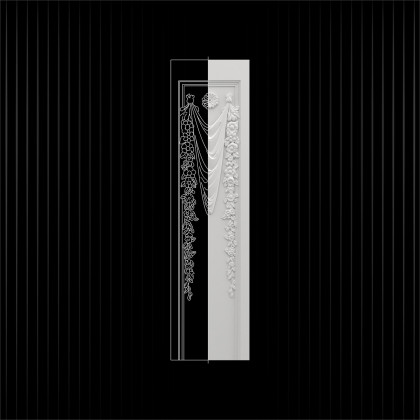
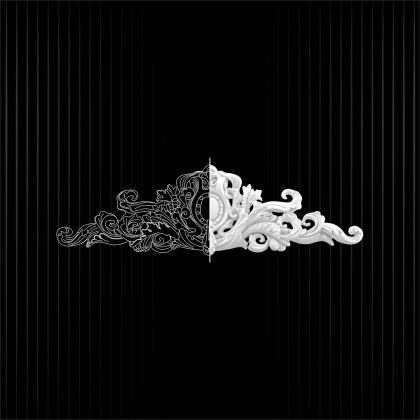
Products

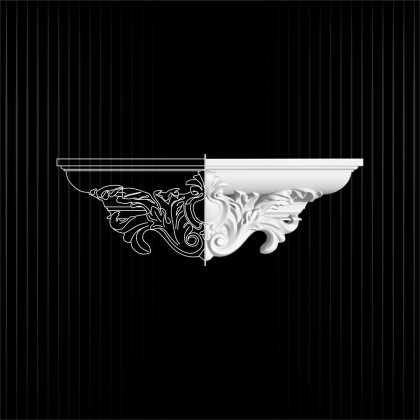
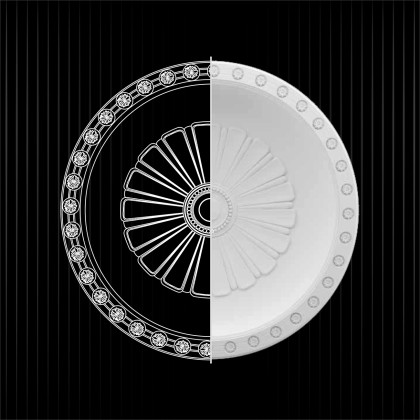
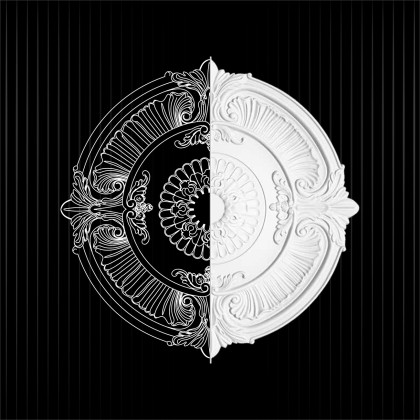
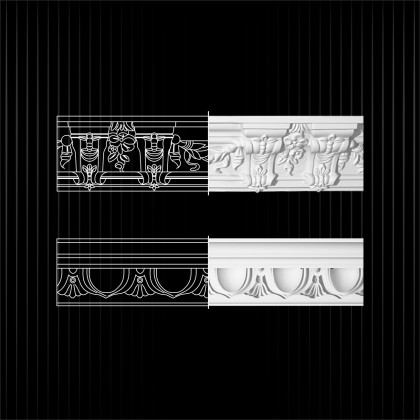
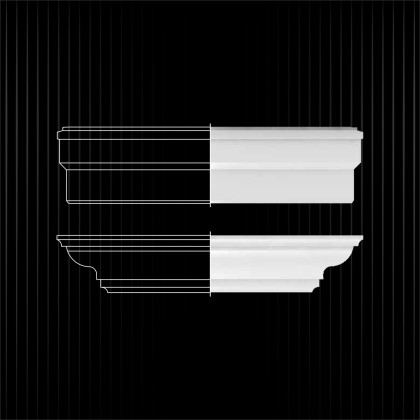
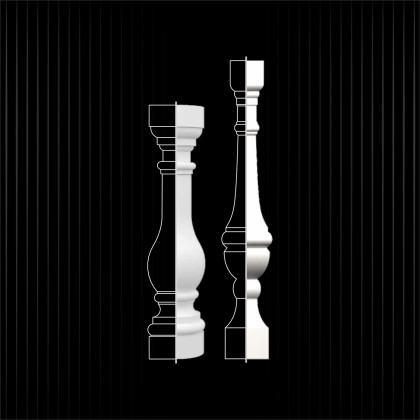
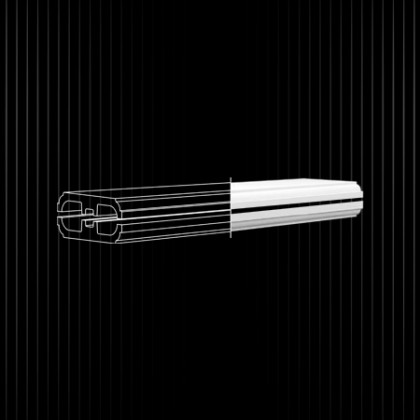
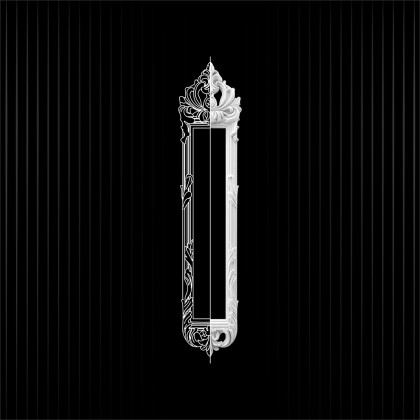
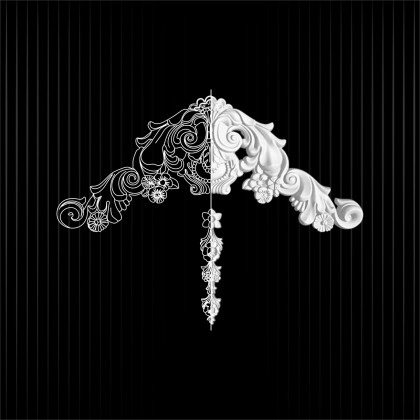
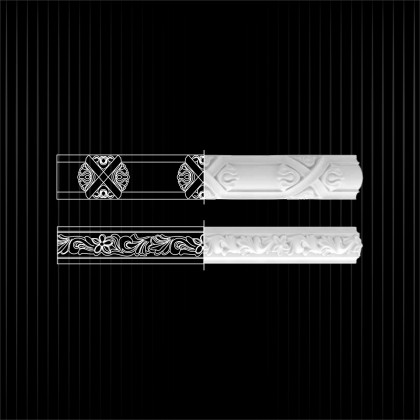
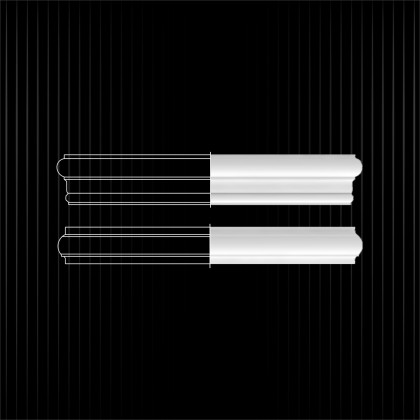
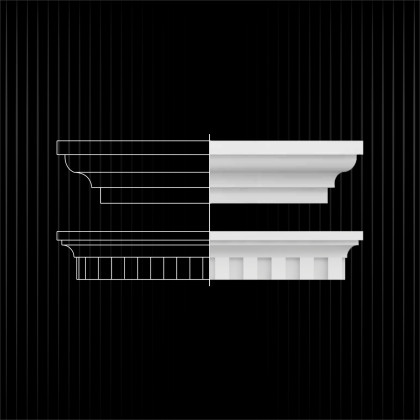
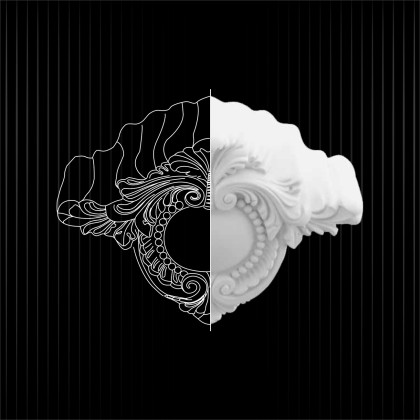
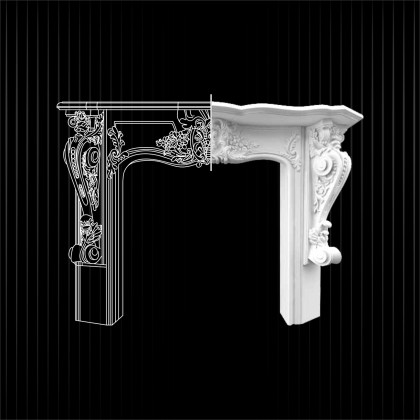
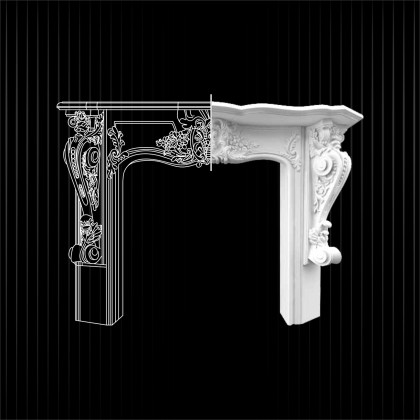
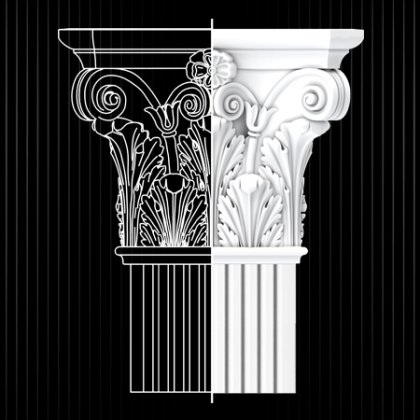
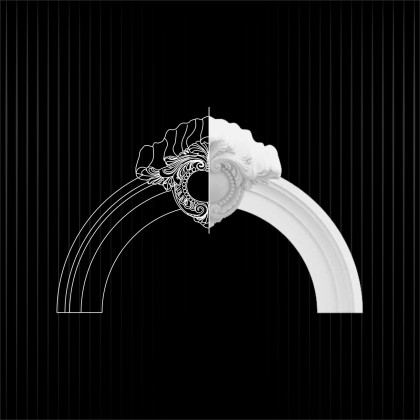
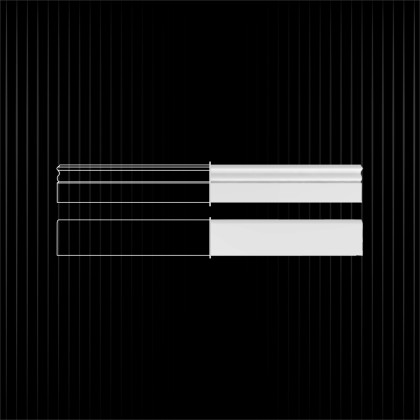
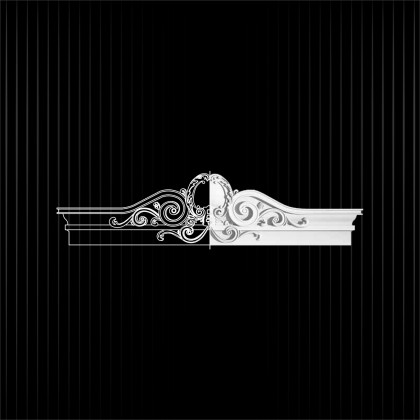
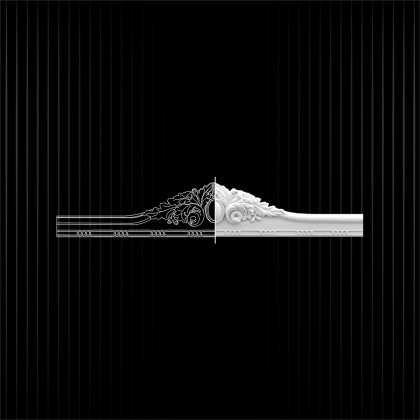
Polyurethane decorative products can be categorized into several types, including: 1. Moldings and Trim: These are decorative elements used to add detail and finish to walls, ceilings, and doors. 2. Columns and Capitals: These are structural elements that also serve decorative purposes, often used to support or adorn entrances and other architectural features. 3. Ceiling Medallions and Domes: Decorative features applied to ceilings to add visual interest or to complement light fixtures. 4. Corbels and Brackets: Supportive elements that can also serve as decorative pieces, often used under shelves or ledges. 5. Balustrades and Railings: These are decorative railing systems used for staircases, balconies, and porches. 6. Wall Panels and Wainscoting: Decorative panels used to enhance the walls of a room, providing texture or contrasting design elements. 7. Door and Window Surrounds: Decorative frames that accentuate the area around doors and windows. 8. Fireplace Mantels: Decorative surrounds for fireplaces that can range from simple to elaborate designs.
Polyurethane is a versatile material widely used in the manufacturing of decorative items. Its flexibility, durability, and resistance to moisture and wear make it an ideal choice for various applications in interior and exterior decoration. Polyurethane decorative products come in numerous categories, each designed to enhance the aesthetic appeal of spaces while providing functional benefits. Here are some of the main categories: Polyurethane moldings and trim are used to add elegance and character to rooms. They come in various styles, including classical, modern, and custom designs, to fit any decor theme. These products are lightweight, easy to install, and can mimic the look of wood, stone, or other materials. Columns and capitals made from polyurethane offer a cost-effective way to add a touch of grandeur to buildings. They are resistant to weather conditions, making them suitable for both indoor and outdoor use. Available in a range of designs, they can support architectural themes from ancient to contemporary. Polyurethane wall panels and coverings provide a quick and easy way to transform the appearance of walls. They are available in designs that replicate the look of brick, stone, wood, and other textures. These panels are lightweight, durable, and can significantly enhance the insulation properties of a space. Ceiling tiles and decorative elements made of polyurethane can add depth and interest to ceilings. They are available in various patterns and styles, offering an attractive alternative to traditional ceiling materials. Easy to install and maintain, they can also improve acoustics in a room. Polyurethane is also used to create a wide range of decorative accents, including corbels, rosettes, medallions, and brackets. These elements can add intricate detail and a finishing touch to interiors, complementing the overall design theme. In conclusion, polyurethane decorative products offer a versatile and practical solution for enhancing the aesthetic appeal of both residential and commercial spaces. With a wide range of categories to choose from, designers and homeowners can easily find products that meet their style and functional needs.Polyurethane Decorative Product Categories
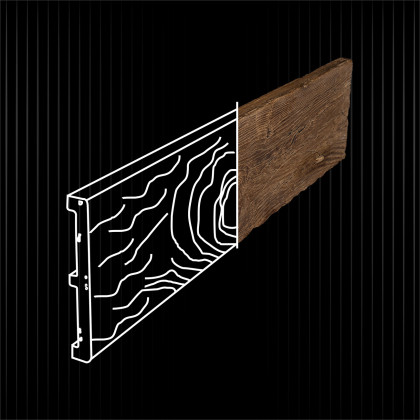
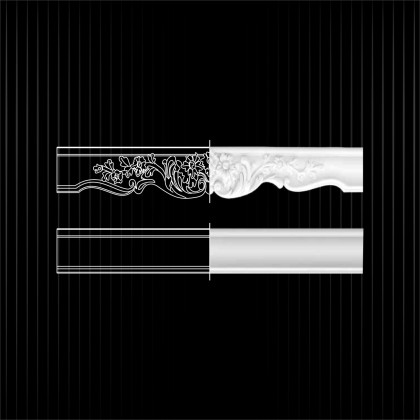
Moldings and Trim
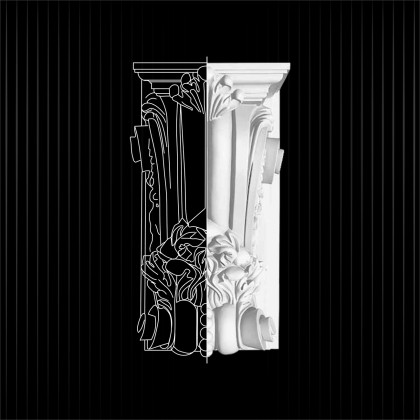
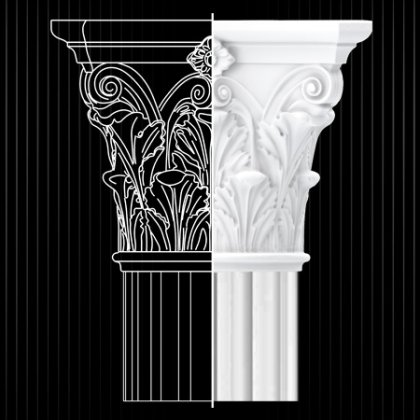
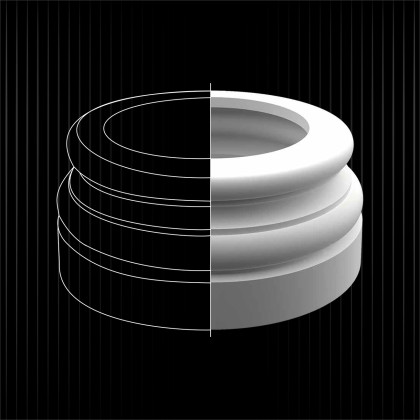
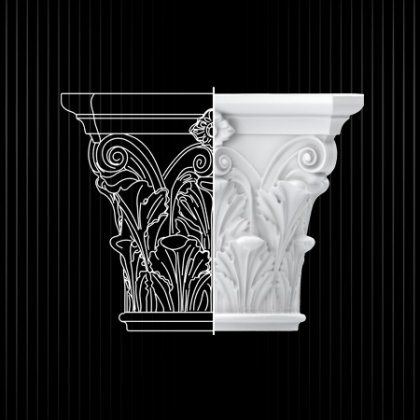
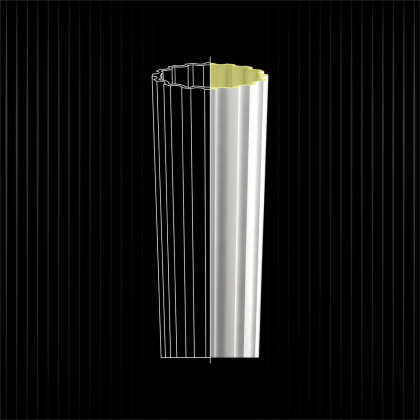
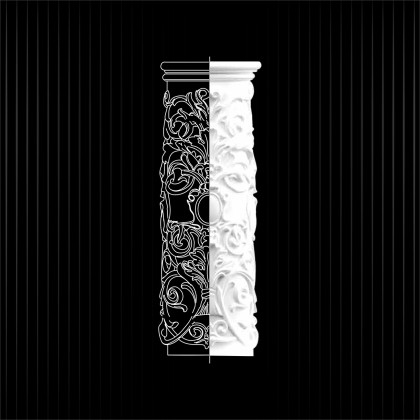
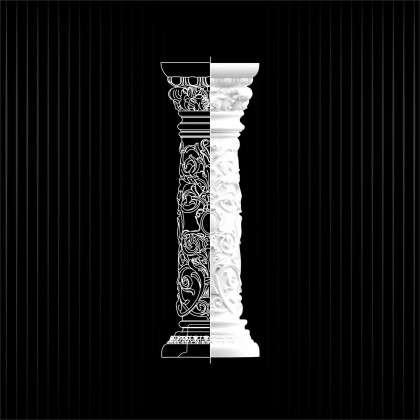
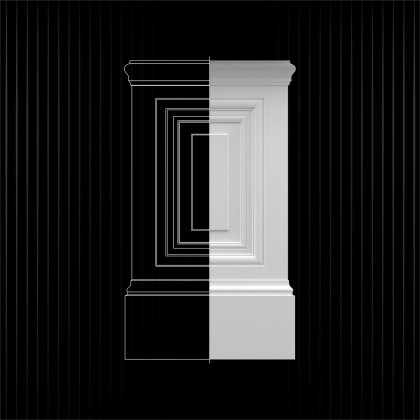
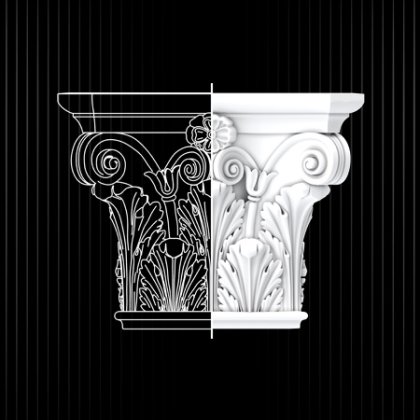
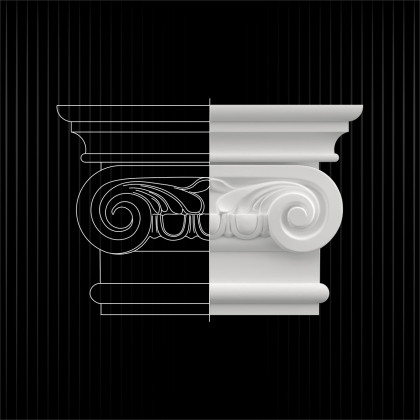
Columns and Capitals
Wall Panels and Coverings
Ceiling Tiles and Decor
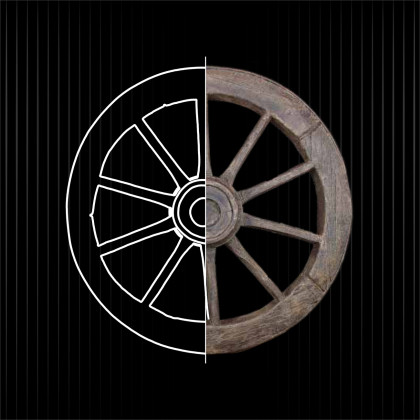
Decorative Accents
The role of Decorative Polyurethane Product Categories in history.
Decorative polyurethane products have carved a unique place in history, evolving from their inception in the mid-20th century to become a staple in both residential and commercial spaces. The journey of polyurethane, a versatile polymer, reflects broader trends in technology, design, and sustainability, mirroring societal shifts and industrial innovation. The story of decorative polyurethane products begins in the 1930s and 1940s, with the development of polyurethane chemistry. Initially used for military and industrial applications during World War II, the material's potential for decorative purposes soon became evident. Its ability to mimic the appearance of more traditional materials like wood, stone, and metal, coupled with its durability and resistance to wear and tear, made it an attractive option for designers and architects. By the 1960s and 1970s, the use of polyurethane in decorative applications had expanded significantly. Furniture, molding, and interior decorations began to incorporate polyurethane for its lightweight, easy-to-mold characteristics. This period marked a shift towards more modern and futuristic design sensibilities, with polyurethane products offering the flexibility to explore innovative forms and textures. In recent decades, the production and use of decorative polyurethane products have increasingly been viewed through the lens of environmental sustainability. Advances in bio-based polyurethanes and recycling processes reflect a growing commitment to reducing the ecological footprint of these products. This evolution underscores the industry's responsiveness to global challenges and consumer expectations. Today, decorative polyurethane products continue to thrive, benefiting from ongoing technological advancements. Digital fabrication techniques, such as 3D printing, have opened new possibilities for customized and complex designs, further cementing the material's role in contemporary architecture and interior design. Looking forward, the continued focus on sustainability, coupled with the material's inherent versatility, suggests a bright future for decorative polyurethane products. The historical trajectory of decorative polyurethane products illustrates their significant impact on design and construction practices. From their practical beginnings to their current status as a symbol of innovation and sustainability, these products demonstrate the dynamic interplay between technology, creativity, and environmental stewardship. As we look to the future, the legacy of polyurethane in the decorative realm is poised to continue its evolution, shaping our environments in novel and sustainable ways.The Historical Significance of Decorative Polyurethane Products
Origins and Evolution
Expansion and Adaptation
Environmental Considerations
Current Trends and Future Directions
Conclusion
Polyurethane decorative products come in various categories, each with unique properties. These include durability, flexibility, resistance to wear and tear, and the ability to mimic the appearance of materials like wood, stone, and metal. They are widely used in interior and exterior decoration due to these characteristics.
Polyurethane Decorative Product Properties
Polyurethane is a versatile material widely used in the production of decorative items due to its numerous advantageous properties. This synthetic resin is known for its durability, flexibility, and resistance to wear and tear, making it an ideal choice for both indoor and outdoor decorations. In this article, we will explore the various properties of polyurethane that make it a preferred material for decorative products.
Durability
One of the most significant properties of polyurethane is its durability. Decorative items made from polyurethane are resistant to weathering, cracking, and fading. This makes them perfect for outdoor decorations that need to withstand the elements, as well as for indoor items that are subject to frequent handling.
Flexibility
Polyurethane's flexibility allows for the creation of intricate designs and shapes in decorative products. This material can be molded into a variety of textures and patterns, offering endless possibilities for customization and uniqueness in decor items.
Water Resistance
Decorative products made from polyurethane benefit from its water-resistant properties. This characteristic ensures that items are not easily damaged by moisture or humidity, maintaining their appearance and structural integrity over time.
Lightweight
Polyurethane is a lightweight material, which makes decorative products easy to handle, install, and move. This property is particularly beneficial for large decorative elements, reducing the strain on structural supports and making installation more straightforward.
Eco-Friendly Options
With growing environmental awareness, many manufacturers now offer eco-friendly polyurethane options. These are made using less harmful chemicals and processes, reducing the environmental impact of decorative product production.
Conclusion
In conclusion, polyurethane's durability, flexibility, water resistance, and lightweight nature make it an excellent material for decorative products. Whether for indoor or outdoor use, polyurethane decorative items offer both aesthetic appeal and long-lasting performance. As the industry continues to evolve, the development of eco-friendly polyurethane will further enhance the desirability of this material for decorative purposes.
Yes, the applications of polyurethane in decorative products are categorized.
Polyurethane is a versatile material widely used in various industries due to its flexibility, durability, and resistance to wear and tear. Among its numerous applications, polyurethane is particularly valued in the decorative sector for its ability to mimic the texture and appearance of more expensive materials like wood, stone, and metal. This article explores the different categories of decorative polyurethane products and their respective usage areas. In the realm of interior decoration, polyurethane products are celebrated for their aesthetic appeal and practicality. Crown moldings, baseboards, door and window trims, and ceiling medallions made of polyurethane offer the elegance of traditional materials without the associated cost or maintenance. These products are lightweight, easy to install, and can be painted or stained to match any interior design scheme. Exterior decorative applications of polyurethane include faux stone and brick panels, balustrades, columns, and door surrounds. These products withstand harsh weather conditions, resist rot and pests, and maintain their appearance over time, making them a durable and attractive option for enhancing the curb appeal of buildings. Polyurethane is also used in the production of decorative furniture elements and fixtures such as table legs, chair backs, and ornamental accents. Its moldability allows for intricate designs that can be replicated with high precision, offering designers and manufacturers a cost-effective way to produce beautiful, detailed pieces. One of the most exciting applications of polyurethane in the decorative field is in the creation of themed environments for amusement parks, movie sets, and retail spaces. Polyurethane foam can be sculpted into rocks, trees, architectural elements, and other fantasy landscapes, providing a realistic and durable setting that enhances the visitor experience. In conclusion, polyurethane's adaptability makes it an ideal material for a wide range of decorative applications. Whether used in interior design, exterior enhancements, furniture, or themed environments, polyurethane products offer an effective solution for achieving aesthetic goals while ensuring durability and cost-effectiveness.Polyurethane Decorative Products: Diverse Applications
Interior Decor
Exterior Applications
Furniture and Fixtures
Themed Environments
Decorative Polyurethane Product Types
Polyurethane, a versatile plastic material, has found extensive use in the field of decorative products. Its unique properties such as durability, resistance to environmental factors, and ease of molding into intricate designs make it an ideal choice for a variety of decorative applications. Here, we explore the different categories of decorative polyurethane products available in the market. Polyurethane panels designed for walls and ceilings are popular for their lightweight, ease of installation, and the aesthetic appeal they offer. They can mimic the look of traditional materials like wood, stone, or brick, adding a touch of elegance to any interior without the associated cost or maintenance. Decorative moldings and trims made from polyurethane add sophistication to rooms. They are used to create visual interest and frame features such as doors, windows, and fireplaces. Unlike wood, polyurethane moldings do not warp or rot, making them a durable option for both interior and exterior applications. Polyurethane corbels and brackets offer the ornate look of carved wood without the weight and susceptibility to weather damage. These decorative elements are often used to support shelves or as architectural embellishments under beams, arches, and overhangs. Designed to encase structural supports, polyurethane column and post covers enhance the aesthetic appeal of porches, patios, and interior spaces. They come in various styles, from classical to contemporary, to match different architectural designs. Beyond structural elements, polyurethane is also used to craft a wide range of decorative accessories, including mirror frames, ceiling medallions, and decorative vents. These products add finishing touches to a space, highlighting its architectural features and complementing its decor. In conclusion, polyurethane decorative products offer a blend of aesthetic appeal, durability, and versatility, making them a favored choice in both residential and commercial settings. Whether you are renovating an old space or designing a new one, polyurethane decorative elements can enhance its beauty and functionality.Polyurethane Decorative Products
Wall and Ceiling Panels
Decorative Moldings and Trims
Corbels and Brackets
Column and Post Covers
Decorative Accessories
Yes, polyurethane decorative products can be used on exterior walls.
Polyurethane has become a popular choice for decorative elements in both interior and exterior design due to its versatility, durability, and ease of maintenance. When it comes to exterior walls, homeowners and contractors often wonder if polyurethane decorative products are a viable option. This article explores the feasibility of using polyurethane decorative products on exterior walls, taking into account their characteristics and performance in outdoor conditions. Polyurethane is known for its exceptional durability, which makes it suitable for outdoor use. It is resistant to moisture, temperature fluctuations, and UV radiation, ensuring that decorative elements retain their appearance and integrity over time. This resistance to environmental factors means that polyurethane decorative products can be used on exterior walls without concern for rapid deterioration. Another advantage of using polyurethane decorative products on exterior walls is their low maintenance requirement. Unlike natural materials that may need regular treatments to maintain their appearance and durability, polyurethane typically only requires occasional cleaning to keep it looking new. This ease of maintenance, combined with its durable nature, contributes to the longevity of polyurethane decorative elements, making them a cost-effective option in the long run. Polyurethane products come in a wide range of designs, from intricate moldings and trims to faux stone and wood finishes. This versatility allows for a high degree of customization in exterior wall design, enabling homeowners and designers to achieve a unique look that reflects their style and complements the building's architecture. While polyurethane is lightweight and relatively easy to install, proper installation is key to ensuring the longevity of decorative elements on exterior walls. It is important to follow the manufacturer's instructions for installation, including the use of suitable adhesives and sealants that can withstand outdoor conditions. Professional installation may be recommended to ensure that the decorative elements are securely attached and sealed against moisture and air infiltration. In conclusion, polyurethane decorative products are a suitable and advantageous option for use on exterior walls. Their durability, low maintenance, design versatility, and ease of installation make them an appealing choice for enhancing the aesthetic appeal of a building's exterior. With the right products and proper installation, polyurethane decorative elements can provide lasting beauty and value to any structure.Using Polyurethane Decorative Products on Exterior Walls
Durability in Outdoor Conditions
Maintenance and Longevity
Design Versatility
Installation Considerations
Conclusion
Yes, decorative polyurethane products can be painted.
When it comes to enhancing the aesthetic appeal of interiors, polyurethane decorative products are a popular choice due to their durability and versatility. However, one question that often arises is whether these products can be painted to match specific design preferences or to refresh their appearance over time. Yes, polyurethane decorative products can be painted. This allows for a high degree of customization and can help in updating or matching the products to a new interior design scheme without the need to replace them entirely. Before painting, it's crucial to properly prepare the polyurethane surface to ensure the best paint adhesion and finish. This typically involves cleaning the surface thoroughly to remove any dust, dirt, or grease, followed by lightly sanding the surface to create a texture that the paint can adhere to. After sanding, it's important to remove all dust to ensure a clean surface for painting. Not all paints are suitable for use on polyurethane. Water-based acrylic paints are often recommended for their ease of use and low toxicity. However, for more durable finishes, specially formulated paints that are designed to adhere to plastic surfaces may be required. It's also advisable to apply a primer designed for use on polyurethane or plastic surfaces before painting to improve adhesion and coverage. For the best results, apply the paint in thin, even coats, allowing sufficient drying time between coats. This technique helps to prevent drips and ensures a smooth, even finish. Depending on the paint type and the desired finish, you may need to apply multiple coats. Painting polyurethane decorative products is a feasible and effective way to customize or refresh these items. With proper surface preparation, the right type of paint, and careful application, you can achieve a beautiful, durable finish that complements your interior design perfectly.Can Polyurethane Decorative Products Be Painted?
The Short Answer
Preparing Polyurethane Surfaces for Painting
Choosing the Right Paint
Application Tips
Conclusion
To apply decorative polyurethane products, follow these steps: 1. Prepare the surface by cleaning it and ensuring it's smooth and dry. 2. If necessary, apply a primer suited for polyurethane. 3. Stir the polyurethane product gently to avoid creating bubbles. 4. Apply the first coat thinly with a brush or roller designed for polyurethane. 5. Let it dry as per the product instructions. 6. Sand the surface lightly with fine-grit sandpaper, then clean off the dust. 7. Apply additional coats as needed, sanding between each coat. 8. Allow the final coat to dry thoroughly before using the surface.
Applying polyurethane decorative products can transform the appearance of your interior spaces, offering a durable and attractive finish. This guide will walk you through the steps to ensure a successful application. Applying polyurethane decorative products requires patience and attention to detail. By following these steps, you can achieve a professional-looking finish that enhances the beauty of your space and protects surfaces for years to come.How to Apply Polyurethane Decorative Products
Preparation
Application
Conclusion
Polyurethane decorative products are durable, resistant to wear and tear, and can mimic the look of wood or stone. Styrofoam decorative products, while lightweight and easy to install, are less durable and more prone to damage.
When it comes to decorative products, both polyurethane and styrofoam materials are popular choices. However, they possess distinct characteristics that make them suitable for different applications. Understanding these differences can help in selecting the right material for your decorative needs. Polyurethane decorative products are known for their durability and strength. They are resistant to wear and tear, making them ideal for high-traffic areas. On the other hand, Styrofoam, while lightweight and easy to install, is less durable and can be easily damaged. Polyurethane products can be crafted with intricate details and finishes, closely mimicking the look of natural materials like wood or stone. Styrofoam products, while also capable of being shaped into various designs, generally offer a less realistic appearance compared to polyurethane. Polyurethane is a type of plastic that can be recycled, but its production and degradation can be harmful to the environment. Styrofoam, known for its poor biodegradability, poses significant environmental concerns, particularly in terms of waste management and ocean pollution. In terms of cost, styrofoam is typically less expensive than polyurethane. This makes it a popular choice for budget-conscious projects. However, the initial savings might be offset by the need for replacement or repair due to its lower durability. Both polyurethane and styrofoam have their advantages and disadvantages as materials for decorative products. The choice between them should be based on factors such as durability, appearance, environmental impact, and cost. By considering these aspects, you can select the material that best suits your project's needs.Differences Between Polyurethane and Styrofoam Decorative Products
Durability
Appearance
Environmental Impact
Cost
Conclusion
The difference between polyurethane decorative products and plaster decorative polyurethane products lies in the materials used. Polyurethane decorative items are made entirely of polyurethane, while plaster decorative polyurethane products combine plaster with polyurethane for a different texture or finish.
Decorative elements play a crucial role in enhancing the aesthetics of interiors. Among the materials used for decorative products, polyurethane and plaster stand out due to their unique properties and applications. Understanding the difference between polyurethane and plaster decorative products can help in making informed decisions for interior design projects. Polyurethane decorative products are made from a type of plastic that is versatile, lightweight, and durable. These products are resistant to wear, tear, and environmental factors, making them ideal for both interior and exterior applications. Polyurethane is also flexible, allowing for the creation of intricate designs and details. Its ease of installation and maintenance makes it a popular choice for moldings, trims, ceiling medallions, and other decorative accents. Plaster decorative products, on the other hand, are crafted from a mixture of water, gypsum, or cement, which hardens over time. These products are known for their smooth finish and high-quality appearance. Plaster is perfect for creating detailed and complex designs, offering a sense of depth and texture that is difficult to achieve with other materials. However, plaster products are heavier, more fragile, and require professional installation and careful handling. In conclusion, both polyurethane and plaster decorative products have their unique advantages and limitations. The choice between the two depends on the specific requirements of the project, including the desired aesthetic, location, and budget. By understanding the key differences, designers and homeowners can select the most suitable material for their decorative needs.Difference Between Polyurethane and Plaster Decorative Products
Polyurethane Decorative Products
Plaster Decorative Products
Key Differences
Polyurethane precast refers to building components made from polyurethane, a type of plastic that's strong and lightweight. GRC precast, or Glassfibre Reinforced Concrete precast, involves concrete reinforced with glass fibers, making it more durable and lighter than standard concrete. Essentially, the main difference lies in the materials and reinforcement used: polyurethane for one and glass fibers in concrete for the other.
In the construction industry, precast materials play a pivotal role in building design and execution. Among the myriad of options available, polyurethane precast and Glassfibre Reinforced Concrete (GRC) precast stand out for their unique properties and applications. This article delves into the differences between these two materials, providing insights into their composition, benefits, and optimal use cases. Polyurethane precast is a type of building material that is made by casting polyurethane into molds to create various architectural and decorative elements. Polyurethane is a versatile polymer that can be engineered to have rigid or flexible properties. This material is known for its lightweight, insulation properties, and resistance to weather and chemical exposure. Polyurethane precast is commonly used for decorative trims, moldings, and panels in both interior and exterior applications. Glassfibre Reinforced Concrete (GRC) precast is a composite material made by reinforcing concrete with fine glass fibers. This reinforcement provides GRC with enhanced strength and durability while maintaining a lighter weight compared to traditional concrete products. GRC precast is widely used for cladding panels, architectural elements, and landscaping products. Its strength and versatility make it suitable for a broad range of applications in both new constructions and renovations. Choosing between polyurethane precast and GRC precast depends on the specific requirements of a project, including considerations of weight, strength, insulation, and cost. While polyurethane precast offers advantages in lightweight applications and insulation, GRC precast excels in strength, durability, and versatility. Understanding these differences can help architects, engineers, and builders make informed decisions to achieve the desired outcomes for their projects.Difference Between Polyurethane Precast and GRC Precast
Introduction
Polyurethane Precast
GRC Precast
Key Differences
Conclusion
Prices for decorative polyurethane products vary by category.
Polyurethane decorative products have become increasingly popular in both residential and commercial spaces due to their durability, ease of maintenance, and aesthetic appeal. These products come in a wide range of categories, each designed to enhance the visual appeal of interiors and exteriors. Here, we explore some of the main categories of polyurethane decorative products and provide an overview of their pricing. Crown moldings are a classic choice for adding elegance and character to rooms. Made from high-density polyurethane, these moldings are lightweight, easy to install, and resistant to moisture and insects. Prices for polyurethane crown moldings vary depending on the complexity of the designs and dimensions, typically ranging from $5 to $30 per linear foot. Corbels and brackets add architectural interest and support to shelves, mantels, and more. Polyurethane options provide the look of traditional wood or stone without the weight, making installation simpler. Prices can range from $10 to $100 per piece, based on size and design intricacy. Column wraps and pilasters are used to beautify structural columns or create the illusion of columns. Polyurethane versions are preferred for their resistance to weather, insects, and rot. Cost varies widely with size and design, from $50 to over $500 for large or ornate options. Wall panels and wainscoting offer a way to add texture and dimension to walls. Polyurethane materials make them easy to clean and maintain, resistant to damage. Prices depend on the design and size, with panels often priced per square foot, ranging from $1.50 to $10. The cost of polyurethane decorative products can vary significantly based on the product category, design complexity, and size. However, their durability, ease of installation, and aesthetic appeal make them a cost-effective choice for enhancing the beauty of any space. When planning your next renovation or decoration project, consider the versatile options available within the realm of polyurethane decorative products.Polyurethane Decorative Product Categories and Prices
Crown Moldings
Corbels and Brackets
Column Wraps and Pilasters
Wall Panels and Wainscoting
Conclusion
Information Gallery
List of detailed descriptions of images in the image gallery.


