 English
 Romanian
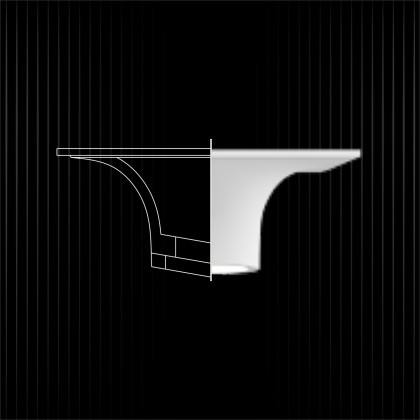

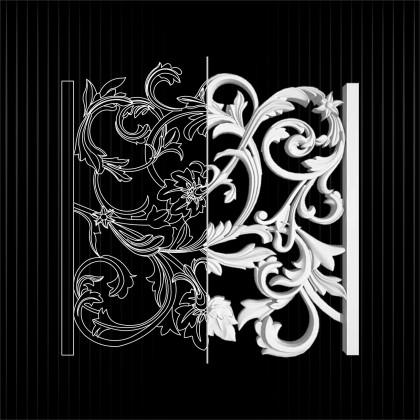
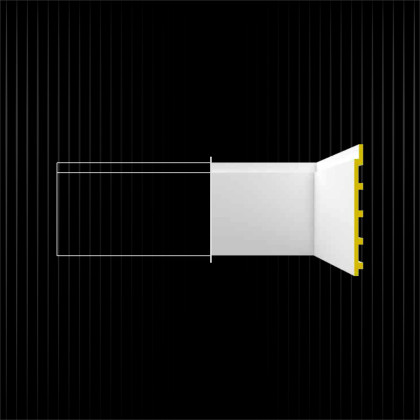




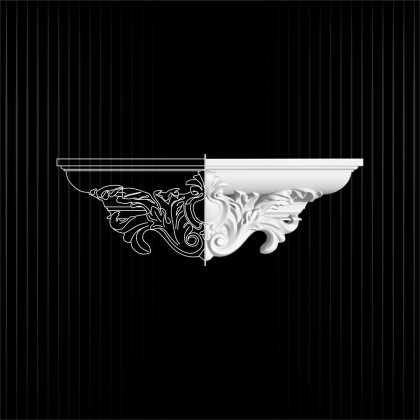







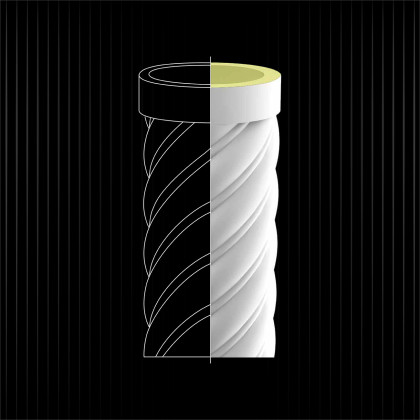


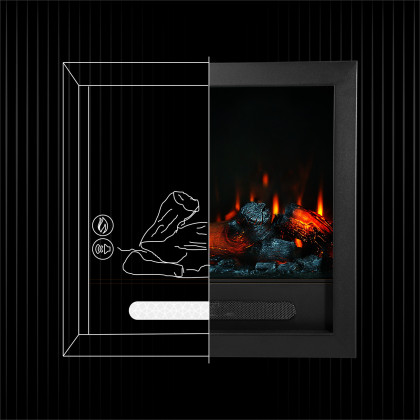

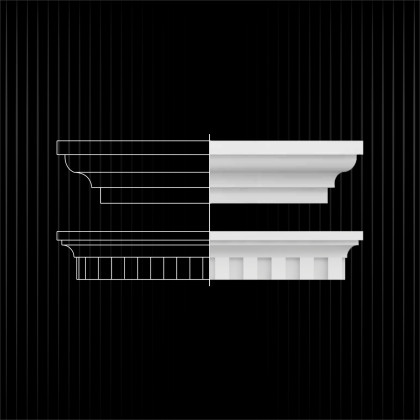

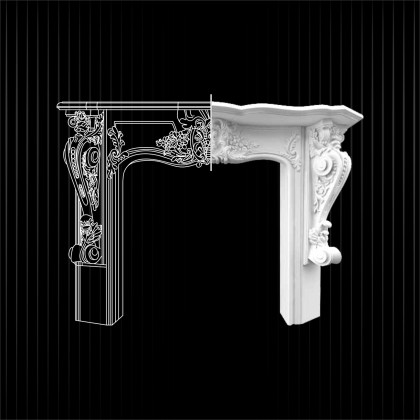




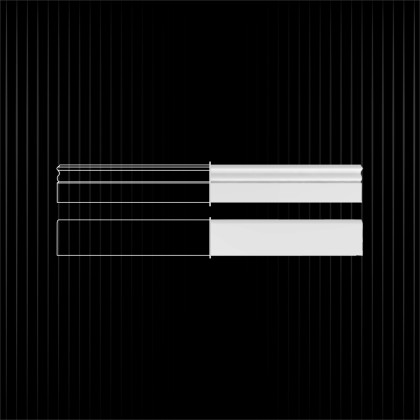



Polyurethane is a type of plastic material that can be flexible or rigid. It is used in many products, including foam insulation for buildings, cushions for furniture, mattresses, car parts, coatings, adhesives, and sealants.
Polyurethane is a versatile type of plastic that comes in various forms, including rigid foams, flexible foams, chemical-resistant coatings, adhesives, sealants, and elastomers. It is synthesized by reacting a polyol (an alcohol with more than two reactive hydroxyl groups per molecule) with a diisocyanate or a polymeric isocyanate in the presence of suitable catalysts and additives. The properties of polyurethane are highly customizable, depending on the types of diisocyanates and polyols used, making it a highly versatile material used in a wide range of applications. Polyurethane's versatility allows it to be used in a multitude of applications across various industries. Some of the most common uses include: Thanks to its adaptability, polyurethane continues to be an essential material in many aspects of daily life and industry, offering innovative solutions and enhancing the performance and durability of a wide range of products.What is Polyurethane?
Where Can Polyurethane Be Used?
Polyurethane has various applications in history, including in insulation, furniture, automotive parts, and footwear.
Polyurethane, a versatile polymer discovered in the late 1930s, has carved a unique place in history through its wide array of applications. This synthetic material's journey from its inception to becoming a cornerstone of modern manufacturing encapsulates a tale of innovation, adaptation, and impact on everyday life. The story of polyurethane begins in Germany, where it was first developed by chemist Otto Bayer and his coworkers in 1937. Initially explored as a replacement for rubber, which was scarce due to geopolitical tensions, polyurethane's potential quickly became apparent. Its ability to be adapted into various forms – from rigid foams to flexible fibers – made it a valuable material in the mid-20th century, especially during World War II, where it was used in military applications. After the war, the peacetime applications of polyurethane exploded. It began to be used in everything from automotive parts to comfortable, durable footwear. The construction industry embraced polyurethane for insulation, sealants, and flooring, appreciating its durability and energy efficiency. In the realm of consumer goods, polyurethane found its way into furniture, textiles, and even toys, becoming a silent yet integral part of daily life. As the decades passed, innovation in polyurethane technology did not stagnate. The 1960s and beyond saw the development of more eco-friendly production methods and the introduction of recyclable polyurethane materials. Today, efforts continue to reduce the environmental impact of polyurethane production and disposal, with research into bio-based polyols and recycling processes. Today, polyurethane's presence is ubiquitous, found in industries as diverse as aerospace, where it protects and insulates spacecraft, to medicine, where it's used in devices and implants. Its role in renewable energy, particularly in wind turbine blades and solar panels, highlights polyurethane's importance in the transition towards sustainable technologies. From its early days as a rubber substitute to its current status as a material of choice for innovative and sustainable solutions, polyurethane's place in history is not just about the products it has created but also the advancements it has enabled. Its story is a testament to human ingenuity and the endless quest for materials that shape a better future.Polyurethane's Place in History
The Beginnings
Post-War Expansion
Innovation and Environmental Considerations
Modern Applications
Conclusion
Polyurethane is a versatile material used in various applications due to its unique properties. It can be found in furniture, insulation, footwear, automotive parts, coatings, adhesives, sealants, and foam products. Polyurethane is durable, flexible, and resistant to abrasion, temperature, and impacts, making it suitable for a wide range of uses.
Polyurethane is a versatile polymer composed of organic units joined by carbamate (urethane) links. It is widely recognized for its exceptional mechanical properties, including flexibility, durability, and resistance to abrasion and impacts. Polyurethane's unique characteristics make it suitable for a wide range of applications, from simple household items to complex industrial components. Polyurethane exhibits a broad spectrum of properties that can be tailored according to specific needs. These include: Thanks to its adaptable properties, polyurethane can be used in numerous fields. Some of the primary applications include:Polyurethane and Its Applications
Introduction to Polyurethane
Properties of Polyurethane
Applications of Polyurethane
Where can polyurethane be used? Are the applications for decoration separate?
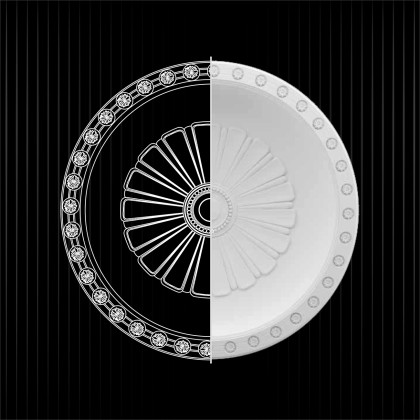
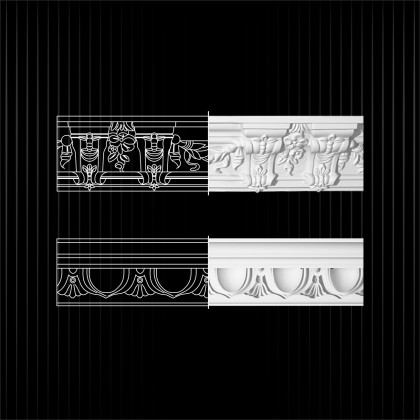
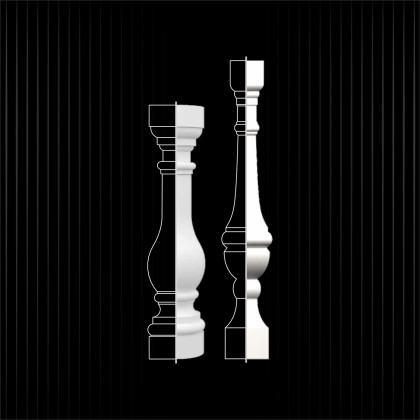
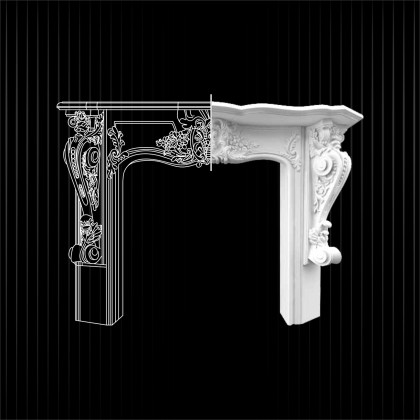
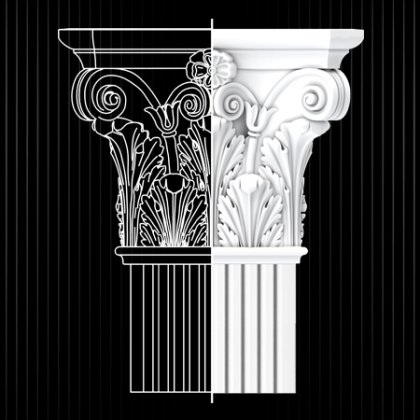
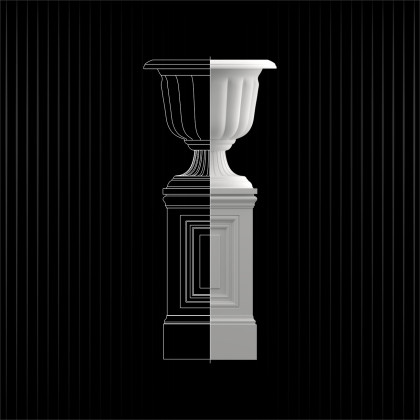
Polyurethane, a versatile and durable polymer, is widely used in various industries due to its exceptional properties. Its usage areas span from construction and automotive sectors to textiles and even decoration. This article explores the diverse applications of polyurethane and how it has become an indispensable material in our daily lives. Polyurethane is a popular choice in the construction industry, primarily for insulation. Its excellent thermal insulation properties make it ideal for reducing energy consumption in buildings. Polyurethane foam is used in walls, roofs, and floors, providing a tight seal against cold or heat. Additionally, it is used in sealants and adhesives, offering durability and strength to construction materials. In the automotive sector, polyurethane plays a crucial role in enhancing vehicle performance and comfort. It is used in making lightweight parts, which contributes to fuel efficiency. Polyurethane is found in car seats, dashboards, suspension bushings, and in the insulation of vehicles, offering both comfort and noise reduction. Polyurethane is also integral to the textiles industry, especially in the production of spandex fibers, which are known for their elasticity. These fibers are used in a wide range of clothing, from activewear to intimate apparel, providing comfort and flexibility. Furthermore, polyurethane coatings are applied to fabrics to enhance their water resistance and durability. In the realm of decoration, polyurethane finds its place in creating intricate architectural details and moldings. It can mimic the appearance of wood or stone but at a lower cost and weight, making it a preferred material for decorative elements both indoors and outdoors. Furniture and fixtures made with polyurethane coatings are not only aesthetically pleasing but also resistant to wear and tear. Beyond these areas, polyurethane is used in making footwear, medical devices, and as coatings for floors and industrial surfaces. Its versatility is evident in its ability to be formulated in various ways - as rigid or flexible foams, elastomers, and coatings - to meet specific requirements of different applications. In conclusion, polyurethane's wide range of applications underscores its importance across various sectors. Its unique properties of durability, flexibility, and resistance to environmental factors make it a material of choice for many applications, including decoration. As technology advances, the potential uses for polyurethane continue to expand, further integrating this material into our everyday lives.Usage Areas of Polyurethane
Construction and Insulation
Automotive Industry
Textiles and Apparel
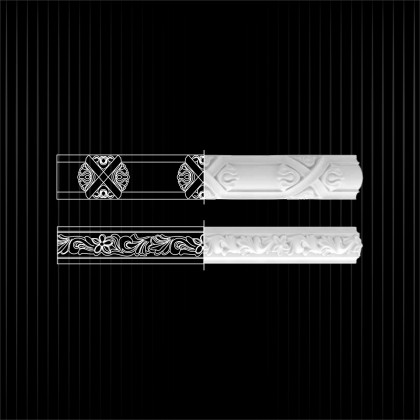
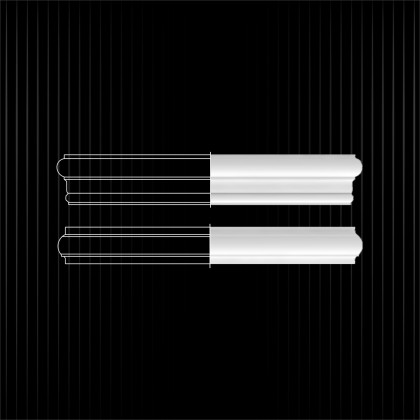
Decoration
Other Applications
Polyurethane is a versatile material used in various applications such as foam insulation for buildings, mattresses, automotive seats, coatings, adhesives, sealants, and elastomers for wheels and tires.
Polyurethane is a versatile material used across various industries due to its flexibility, durability, and resistance to chemicals and wear. Its applications range from simple household items to complex industrial components. Here are some of the primary uses and models where polyurethane can be found: Flexible polyurethane foam is commonly used in furniture, providing comfort and support in sofas, chairs, and mattresses. Its ability to be molded into different shapes and densities makes it ideal for various seating and sleeping products. Polyurethane is widely used in the automotive industry for manufacturing lightweight and durable parts. It is found in car seats, insulation panels, interior trims, and in the production of tires, enhancing fuel efficiency and performance. In construction, polyurethane is used for insulation, flooring, and roofing materials. Its excellent insulation properties help in reducing energy costs, while its durability contributes to the longevity of buildings. Due to its comfort and wear resistance, polyurethane is a popular choice for the soles of shoes. It provides a good balance between flexibility, durability, and shock absorption, making it suitable for various types of footwear. Polyurethane is extensively used in coatings, adhesives, sealants, and elastomers for its strong bonding properties and resistance to environmental factors. These applications are crucial in automotive, construction, and manufacturing industries. In the medical field, polyurethane is valued for its biocompatibility and flexibility. It is used in making a variety of medical devices and equipment, such as catheters, wound dressings, and surgical drapes. Polyurethane fibers are used in producing stretchable and durable fabrics, commonly found in activewear and outdoor clothing. It also plays a significant role in the production of synthetic leathers. From providing comfort in our homes to enhancing the performance of cars and protecting buildings, polyurethane's wide range of applications makes it an indispensable material in modern life. Its ability to be customized for specific uses allows for continuous innovation across industries.Polyurethane Uses and Models
1. Furniture and Bedding
2. Automotive Components
3. Building and Construction
4. Footwear
5. Coatings, Adhesives, Sealants, and Elastomers (CASE)
6. Medical Devices
7. Textiles
Conclusion
Yes, polyurethane can be used on exterior walls.
Polyurethane is a versatile material widely used in various applications due to its durability and resistance to environmental factors. When it comes to exterior walls, polyurethane serves as an excellent option for insulation, protection, and aesthetic enhancement. This article explores the feasibility and benefits of using polyurethane on exterior walls. One of the primary uses of polyurethane on exterior walls is for insulation. Polyurethane foam insulation has a high R-value, meaning it provides significant resistance to heat flow. This can greatly enhance the energy efficiency of buildings by maintaining interior temperature and reducing the need for heating and cooling. Applying polyurethane foam to exterior walls can help in significantly lowering energy costs over time. Polyurethane coatings can also be applied to exterior walls to protect them from various environmental factors. These coatings are resistant to UV radiation, moisture, and temperature fluctuations, making them an ideal choice for exterior surfaces. By forming a protective layer over the walls, polyurethane coatings can prevent fading, cracking, and other forms of damage caused by exposure to the elements. Beyond its functional benefits, polyurethane can also be used to improve the appearance of exterior walls. Polyurethane finishes can be designed to mimic a wide range of textures and colors, offering flexibility in architectural design. This allows for the creation of visually appealing exteriors that can withstand the test of time and maintain their beauty despite harsh outdoor conditions. In conclusion, polyurethane is an excellent material for use on exterior walls. Its insulation properties, protection against environmental elements, and potential for aesthetic enhancement make it a suitable choice for a wide range of construction and renovation projects. By choosing polyurethane for exterior walls, homeowners and builders can ensure a durable, energy-efficient, and visually appealing outcome.Uses of Polyurethane on Exterior Walls
Insulation Properties
Protection Against Elements
Aesthetic Enhancement
Conclusion
Yes, polyurethane can be painted.
Can Polyurethane Be Painted?
Polyurethane is a popular finish for wood and other surfaces due to its durability and resistance to damage. However, there may be instances when you want to change the color or appearance of a polyurethane-coated surface. This raises the question: Can polyurethane be painted?
Preparing Polyurethane for Painting
Before painting over polyurethane, it's crucial to prepare the surface properly to ensure the paint adheres well. This usually involves lightly sanding the polyurethane to create a rougher surface for the paint to grip onto. After sanding, the surface should be cleaned thoroughly to remove any dust or debris.
Choosing the Right Paint
When painting over polyurethane, not all paints are suitable. Water-based paints may not adhere well without a proper primer. Oil-based paints or acrylics tend to have better adhesion and durability over polyurethane. Applying a primer designed for use over polyurethane can also improve paint adhesion and overall results.
Application Tips
For the best results, apply the paint in thin, even coats, allowing each coat to dry thoroughly before applying the next. Using a high-quality brush or roller can help achieve a smooth, streak-free finish. In some cases, lightly sanding between coats can improve adhesion and the final appearance.
Conclusion
With proper preparation and the right materials, polyurethane can indeed be painted. Whether you're updating furniture, cabinets, or other surfaces, painting over polyurethane allows you to change the look while maintaining the protective qualities of the polyurethane finish.
Applying polyurethane can enhance and protect various surfaces. Here's how to use it: 1. **Surface Preparation:** Ensure the surface is clean, dry, and smooth. Sand if necessary and remove all dust. 2. **Application Tool:** Use a high-quality brush, foam brush, or lint-free cloth for application. For floors, a lambswool applicator or roller can be used. 3. **Apply Thin Coats:** Apply polyurethane in thin, even coats. Avoid thick coats to prevent drips and uneven drying. 4. **Drying Time:** Allow adequate drying time between coats, as recommended by the product's instructions. Usually, this is at least 24 hours. 5. **Sanding Between Coats:** Lightly sand the surface between coats with fine-grit sandpaper (220 grit or higher) to ensure a smooth finish. Remove all dust before applying the next coat. 6. **Number of Coats:** Apply at least two to three coats for best results, especially on surfaces that will see a lot of wear. 7. **Curing Time:** After the final coat, allow the surface to cure fully. This can take several days, depending on the product and conditions. Polyurethane can be used on: - **Wood Surfaces:** Furniture, floors, cabinets, and doors to protect against scratches and moisture. - **Concrete Floors:** To seal and protect from stains and water damage. - **Outdoor Projects:** Such as wooden
Polyurethane is a versatile material used in a variety of applications due to its durability and resistance to moisture, heat, and wear. It can be applied to wood floors, furniture, cabinets, and even on outdoor surfaces to protect them from the elements. Polyurethane is also used in automotive parts, insulation, footwear, and in the textile industry for making synthetic fabrics. Applying polyurethane requires patience and attention to detail to achieve a smooth, durable finish. Here are the steps to apply polyurethane effectively: Allow the final coat to cure completely before using the surface. Curing times can vary, so refer to the manufacturer's recommendations.How to Apply Polyurethane and Its Uses
Where Can Polyurethane Be Used?
How to Apply Polyurethane
Polyurethane and Styrofoam are different materials with distinct properties and uses. Polyurethane is a versatile material used in various applications such as insulation, furniture, automotive parts, and footwear due to its flexibility, durability, and resistance to moisture and chemicals. Styrofoam, on the other hand, is a trademarked form of polystyrene foam commonly used for insulation, packaging, and crafting because it is lightweight, has good thermal insulation properties, and is easy to shape and cut.
Understanding the differences between polyurethane and styrofoam is crucial for selecting the right material for various applications. Both materials are polymers, but they have distinct properties and uses. Polyurethane is a versatile polymer that can be rigid or flexible, making it suitable for a wide range of applications. It is known for its durability, resistance to abrasion, and ability to withstand various chemicals and temperatures. Polyurethane can be found in several everyday items and industrial applications, including: Styrofoam, a brand name for polystyrene foam, is lightweight and has excellent insulation properties. It is commonly used in disposable food containers, packaging, and building insulation. Styrofoam is widely used in various applications due to its insulating properties and light weight, including: While both materials are used in insulation and packaging, polyurethane is more versatile, durable, and resistant to chemicals and temperatures compared to Styrofoam. Styrofoam is lighter and more cost-effective for disposable items and thermal insulation in specific applications. Choosing between polyurethane and Styrofoam depends on the specific requirements of the application, including durability, resistance, insulation needs, and cost considerations. Both materials offer unique benefits and are indispensable in their respective domains.Polyurethane vs Styrofoam: Uses and Differences
Introduction
What is Polyurethane?
Uses of Polyurethane
What is Styrofoam?
Uses of Styrofoam
Differences Between Polyurethane and Styrofoam
Conclusion
Polyurethane vs. Plaster: Polyurethane is a versatile synthetic material used in various applications, including insulation, furniture, automotive parts, and more, due to its flexibility, durability, and resistance to wear and tear. Plaster, on the other hand, is a mixture of water, sand, and a binder like lime or gypsum. It's primarily used in building construction for coating walls and ceilings, creating architectural moldings, and making castings for art. Where Can Polyurethane Be Used? - Insulation materials in buildings and refrigerators - Cushions for furniture and automotive seats - Protective coatings for wood, metal, and other surfaces - Wheels and tires for skateboards, rollerblades, and industrial machinery - Adhesives and sealants Where Can Plaster Be Used? - Coating walls and ceilings to create a smooth or textured finish - Creating decorative moldings and architectural details - Making casts for sculptures and other art forms - Restoration and repair of historical buildings
Polyurethane and plaster are two widely used materials in the construction and manufacturing industries. Each has unique properties that make it suitable for specific applications. Understanding the differences between these materials can help in choosing the right one for your project. Polyurethane is a versatile polymer that can be formulated to be rigid or flexible, making it suitable for a wide range of applications. It is known for its durability, resistance to abrasion, and its ability to withstand extreme temperatures and chemicals. Polyurethane can be used in various applications, including: Plaster is a building material used for coating, protecting, and decorating walls and ceilings. It can be made from gypsum, lime, or cement. Plaster provides a smooth surface and is used for both protective and decorative purposes. Plaster can be used in various applications, including: In conclusion, while both polyurethane and plaster are essential materials in the construction and manufacturing sectors, they serve different purposes. Polyurethane is preferred for its durability and versatility in various applications, from insulation to furniture. On the other hand, plaster is favored for its aesthetic and protective qualities in wall finishes and decorative elements. Understanding the unique properties and applications of each material allows for their effective and efficient use in projects.Differences and Applications of Polyurethane and Plaster
Introduction
What is Polyurethane?
Applications of Polyurethane
What is Plaster?
Applications of Plaster
Conclusion
Polyurethane precast is made from a type of plastic that's strong and lightweight, while GRC precast is made from a mix of cement and glass fibers, making it tough and good for outdoor use.
The construction industry constantly seeks innovative materials and methods to improve the quality, efficiency, and aesthetics of buildings. Among the various materials used, polyurethane precast and Glassfibre Reinforced Concrete (GRC) precast stand out for their unique properties and applications. Understanding the difference between these two materials is essential for architects, builders, and developers to make informed decisions. Polyurethane precast refers to the use of polyurethane, a type of polymer, in creating building elements off-site. These elements are then transported and assembled on-site. Polyurethane is known for its lightweight, durability, and excellent insulation properties. It is often used in decorative elements, insulation panels, and in situations where lightweight components are required. GRC precast, or Glassfibre Reinforced Concrete precast, combines concrete with glass fibre to produce a material that is both strong and lightweight. GRC is highly durable, fire-resistant, and can be molded into a variety of shapes and textures. It is commonly used for facade panels, architectural cladding, and ornamental features due to its versatility and strength. Choosing between polyurethane precast and GRC precast depends on the specific requirements of a project, including weight, strength, insulation needs, and aesthetic preferences. Both materials offer unique advantages, making them suitable for a wide range of applications in the construction industry.Difference Between Polyurethane Precast and GRC Precast
What is Polyurethane Precast?
What is GRC Precast?
Key Differences
Conclusion
Polyurethane can be used in various applications including insulation, furniture, footwear, automotive parts, and coatings. Prices vary depending on the type and application.
Polyurethane is a versatile polymer used in a wide range of products due to its exceptional durability, flexibility, and resistance to abrasion, mould, and water. This adaptability makes it a preferred material in many industries, including automotive, construction, furniture, and textiles. Polyurethane can be found in various forms, including foams, elastomers, and coatings, each serving unique purposes across different sectors: The price of polyurethane products can vary widely depending on the type, quality, and quantity of the material. For instance: Generally, the cost of polyurethane materials is influenced by global oil prices, as it is a petrochemical product, and by the demand and supply dynamics in various industries.Polyurethane Applications and Prices
Introduction to Polyurethane
Applications of Polyurethane
Polyurethane Prices


